As cities evolve, so too does the conversation around urban living and the myriad challenges faced within urban environments. One such challenge that has garnered increasing attention is motorcycle noise, particularly in bustling neighborhoods like those found in New York City. This article will explore the future of motorcycle noise regulation, sound limits, and the impact on urban riding in New York neighborhoods, all while highlighting areas that are pivotal in this discourse.
A crossroads is upon us—one where passion for motorcycling meets the need for serenity in densely populated regions. The expansion of urban spaces often clashes with the thunderous roars of modified engines, leading to heightened tensions among residents. However, as motorcycle enthusiasts seek to enjoy their passion, regulations are emerging to redefine what the future of motorcycling should look like in urban landscapes.
1. The Rise of Stricter Noise Regulations
New York City has long been known for its cacophony, yet the discomfort caused by excessive motorcycle noise has prompted city officials to consider stricter noise regulations. Various neighborhoods, such as the Upper East Side and the West Village, are particularly sensitive to sound pollution. These areas are known for their tranquil ambience, yet motorcyclists often disrupt this peace, forcing authorities to revisit sound limit regulations.
Contact local municipal offices for new ordinances or regulations related to noise at: New York City Council, 250 Broadway, New York, NY 10007, or call (212) 788-7210 for inquiries.
2. Technological Innovations in Motorcycle Design
Innovations in motorcycle engineering are paving the way for quieter rides. Manufacturers are now exploring sound-dampening technologies and hybrid designs that significantly reduce engine noise without compromising performance. This could potentially transform the auditory landscape of motorcycle riding, allowing riders to enjoy their passion while respecting urban living.
For inquiries about technological advancements, reach out to the Motorcycle Industry Council via their website: www.mic.org.
3. Electric Motorcycles: The Quiet Revolution
Perhaps the most significant shift heralding a quieter future is the rise of electric motorcycles. In neighborhoods like Brooklyn, which are increasingly prioritizing green initiatives, these virtually silent bikes present an enticing alternative. Not only do they emit low to zero noise, but they also foster a cleaner environment, mitigating the impact of traditional gasoline-powered engines.
Potential customers can visit local dealers, such as Electrify NYC located at 2340 Bruckner Blvd, Bronx, NY 10466, for more about electric models.
4. Community Outreach and Engagement
Building a rapport between motorcyclists and local communities is imperative for finding a sustainable solution to noise pollution. Encouraging dialogue between riders and neighborhood governance can lead to mutually beneficial outcomes. Events like community rides can foster understanding, allowing neighbors to experience the joys of motorcycle culture firsthand.
Explore community events organized by the New York Motorcycle Club at www.nymotorcycleclub.org.
5. The Role of Urban Planning
Urban planners hold critical sway in shaping the future of motorcycle riding in cities. As zoning regulations evolve, planners must consider the integration of designated motorcycle zones that balance vibrant street life with noise management. Strategic placement of noise barriers and modifications to road surface materials could attenuate sounds, resulting in a more harmonious urban experience.
Contact the NYC Department of City Planning at 120 Broadway, New York, NY 10271, or call (212) 720-3300 for inquiries on urban planning initiatives.
6. Enforcement of Existing Noise Laws
A hefty challenge lies in the enforcement of current noise ordinances. Many neighborhoods feel a sense of frustration, as they perceive that law enforcement agencies are not effectively addressing noise complaints. By bolstering enforcement strategies, law authorities can create a ripple effect of compliance among motorcyclists, ensuring that they respect the surrounding community.
For noise complaint reporting, reach out to the NYC Department of Environmental Protection at 59-17 Junction Blvd, Flushing, NY 11373, or call (718) 595-7000.
7. Education for Motorcyclists
Knowledge is power, and informing motorcyclists about sound regulations is paramount. Workshops and seminars can teach riders about the significance of sound limits and their implications. By instilling a sense of responsibility in motorcyclists, the impact of noise pollution can be greatly diminished.
Partners such as the Motorcycle Safety Foundation offer educational resources online at www.msf-usa.org.
8. The Psychological Effects of Noise
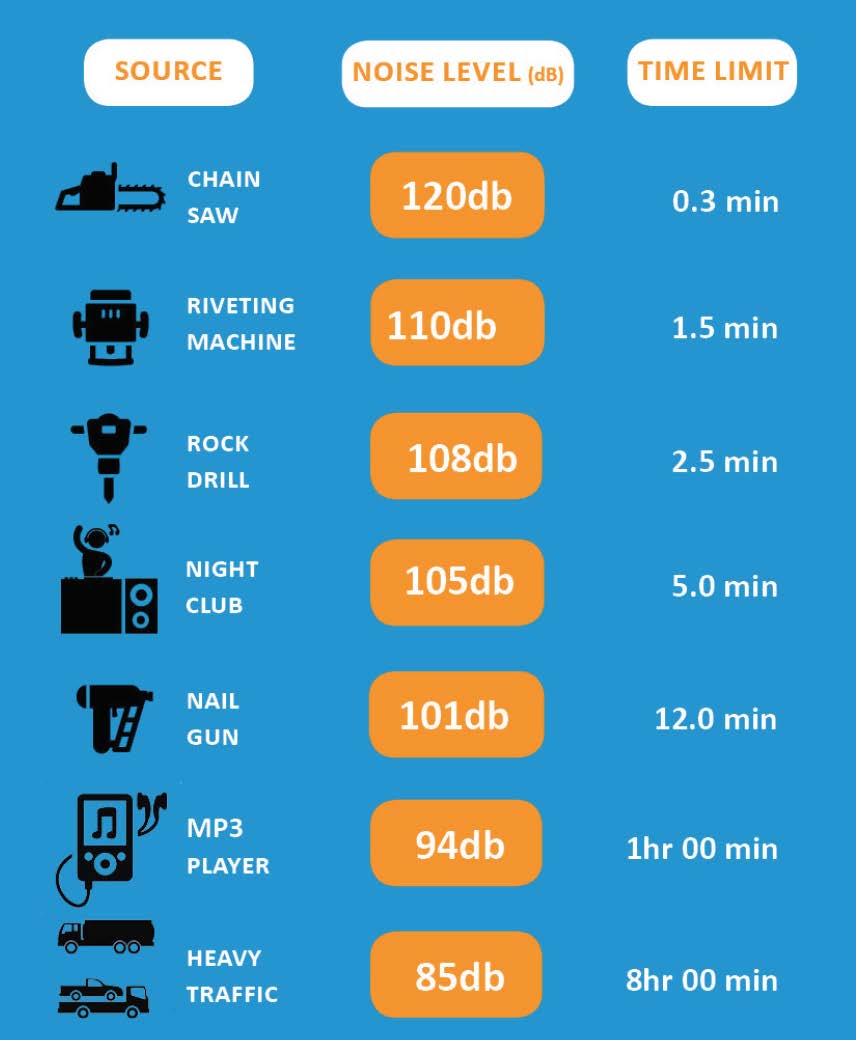
Numerous studies have indicated that noise pollution adversely affects mental health, contributing to stress and anxiety among city dwellers. Thus, mitigating motorcycle noise can not only enhance the environment but also promote a higher quality of life for residents. This revelation could lead to broader community support for noise regulations.
Feel free to contact the NYC Department of Health at 42-09 28th St, Queens, NY 11101, or call (347) 396-7400 for information on health initiatives that address noise pollution.
9. Collaboration with Motorcycle Communities
Engaging with motorcycle communities can create avenues for collaborative solutions. Establishing a cooperative dialogue between local enthusiasts and city officials can lead to the development of best practices that prioritize both riding enjoyment and community tranquility.
Check out the NYC Riders Coalition website at www.nyc-riders.org for opportunities to get involved.
10. A Shared Vision for the Future
Ultimately, the future of motorcycle noise in urban areas like New York City hinges on collaboration and innovation. A shared vision that embraces both the passions of riders and the serenity of neighborhoods can lead to a transformative experience where motorcycles and urban living coexist peacefully. This endeavor will require commitment, creativity, and a willingness to adapt to the changing tide of urban challenges.
As society hurtles towards progress, the promise of a quieter urban environment is within reach, marking a thrilling new chapter for motorcycle enthusiasts and city dwellers alike.