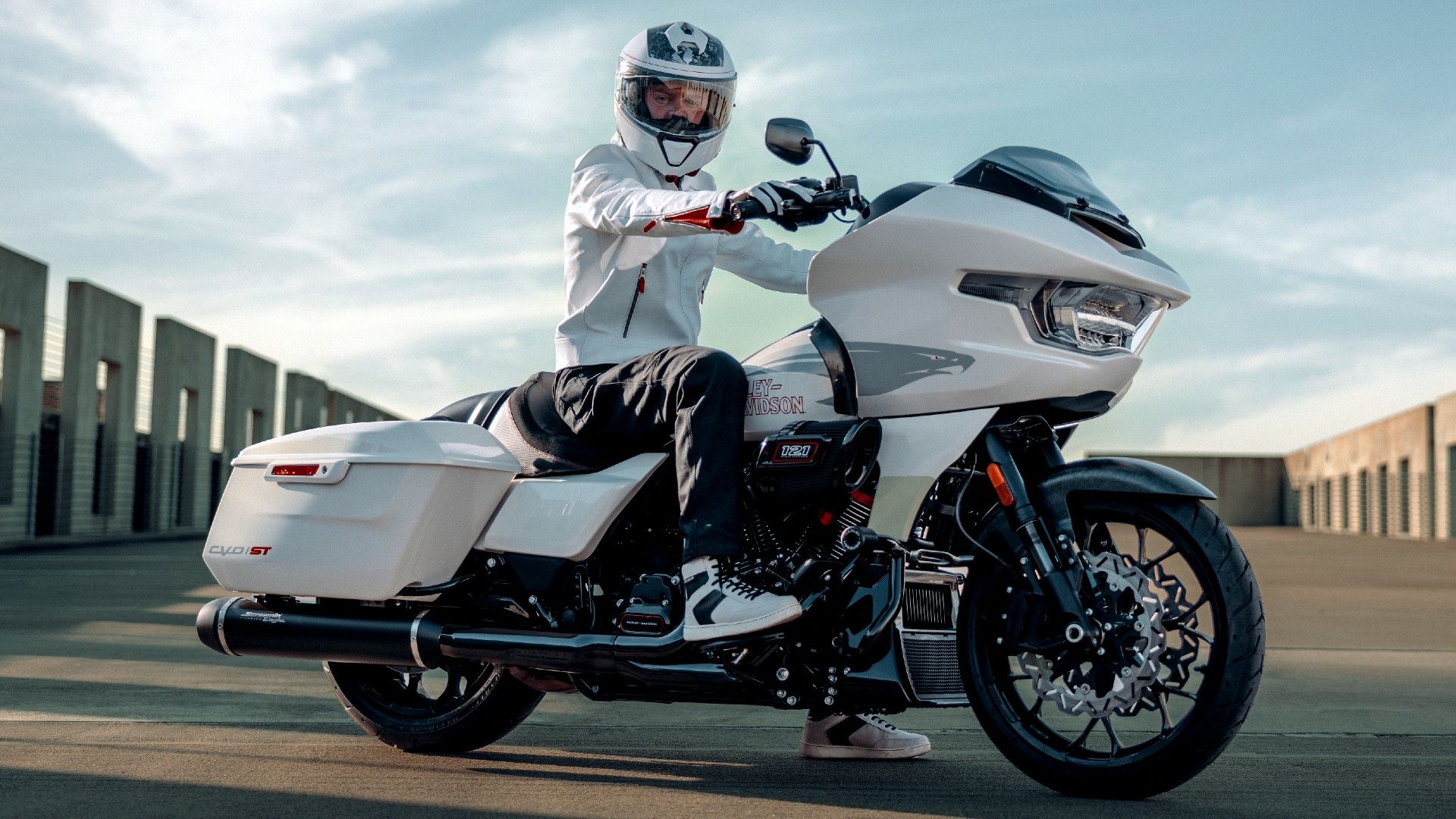
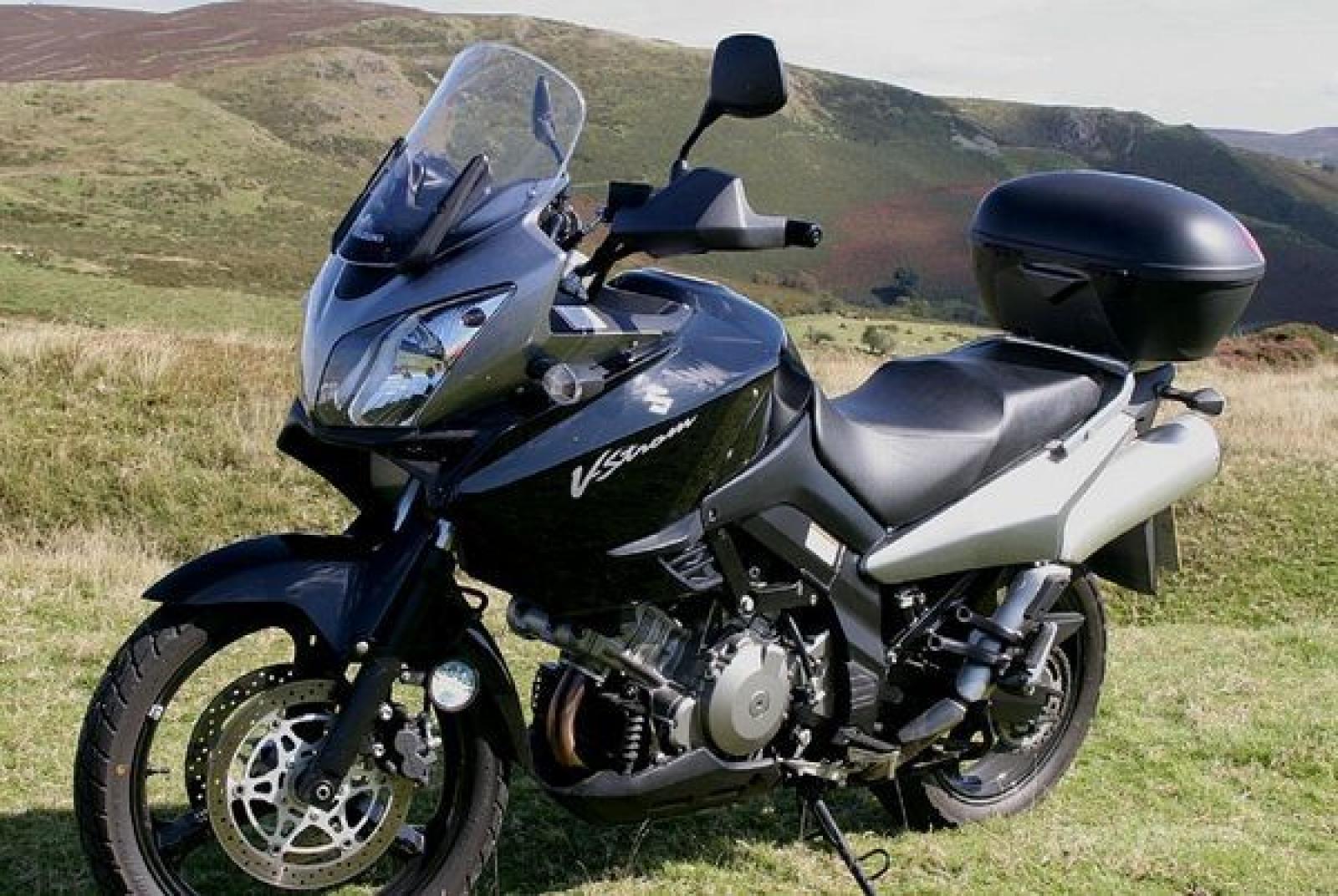
In the pantheon of American motorcycles, Harley-Davidson stands as a venerable institution, embodying freedom, rebellion, and an unyielding spirit. Among its formidable lineup, the Switchback and Breakout models have captured the imagination of riders and enthusiasts alike. Each of these factory customs possesses its own unique character, yet they both evoke a profound sense of allure that extends beyond their mechanical prowess. This article delves into the intricacies of the Harley-Davidson Switchback and Breakout, unraveling their features, performance, and the deeper reasons for their fascination amongst motorcycle aficionados.
Design and Aesthetics
When discussing the Harley-Davidson Switchback, one must first acknowledge its versatility in design. The removable windscreen and saddlebags enable it to transition seamlessly from a touring bike to a sleek cruiser. Its retro-inspired aesthetics, characterized by chrome accents and sculpted lines, hark back to the golden age of motorcycling while embracing contemporary craftsmanship. Riding the Switchback feels akin to straddling a classic American muscle car—powerful, refined, and undeniably charismatic.
In contrast, the Breakout emerges as the epitome of modern street custom aesthetics. With a liquid-cooled, high-performance V-Twin engine, it prioritizes brawny power and an aggressive stance. The elongated profile, wide tires, and minimalist design speak to a bold attitude. This motorcycle does not merely invite admiration; it demands attention, showcasing what it means to be an unapologetic expression of individuality on two wheels.
Performance Dynamics
The heart of any motorcycle lies within its performance dynamics. The Switchback is powered by the renowned Twin Cam 103 engine, delivering smooth acceleration and a satisfying torque curve. Riders revel in its ability to offer a balanced blend of power and comfort—ideal for both long journeys and city commutes. The adjustable suspension enhances ride quality, making it capable of navigating diverse terrains with grace.
Conversely, the Breakout boasts the Screamin’ Eagle Twin Cam 110 engine, producing exhilarating power. It’s a visceral experience, where the command of throttle translates into an immediate surge of speed. With a lower seat height and a taut suspension, the Breakout provides a distinct yet exhilarating ride, ideal for those who thrive on the open road’s adrenaline rush. This motorcycle’s performance begs the question—what is it that lures riders toward unbridled power?
Comfort and Ergonomics
While both motorcycles offer distinct ergonomics tailored to their intended usage, the Switchback shines in terms of comfort. Its more upright riding position and comfortable seat make it an excellent option for long-distance travel. Additionally, the Switchback’s design accommodates a variety of riding styles, catering to leisurely riders and those who prefer a more spirited approach to cruising.
The Breakout, however, is designed with the thrill-seeker in mind. Its forward controls and minimalist seat create a more aggressive riding stance that can be less comfortable over extended periods. Yet, this is part of its inherent allure—riders willingly sacrifice some comfort for the sheer joy of experiencing raw power and a commanding presence on the road. This dichotomy raises an interesting point: do we chase comfort or the excitement of the ride itself?
Customization and Personalization
Customization serves as a hallmark of Harley-Davidson culture, and both models offer endless opportunities for personalization. The Switchback, with its adaptable features, encourages modifications that enhance its touring capabilities or amplify its cruiser appeal. From upgraded seats to additional luggage solutions, the bike can seamlessly transform to suit its owner’s lifestyle.
The Breakout presents a blank canvas for enthusiasts yearning to put their stamp on a motorcycle. Its aesthetic lends itself to further embellishments, whether through custom paint jobs, aftermarket exhaust systems, or unique handlebars. The inherent possibility of transformation creates an intimate bond between rider and machine—fueling the perpetual fascination that Harley-Davidson evokes.
Community and Culture
The Switchback and Breakout, while different in their approaches, are undeniably enshrined in the Harley-Davidson motorcycle culture. Owning either model often transcends mere transportation; it fosters a sense of belonging within a passionate community. Motorcyclists converge at rallies, events, and local meet-ups, sharing stories of their journeys and experiences. This shared camaraderie enhances the intrinsic value of each motorcycle, leading to a unique social phenomenon around both models.
Moreover, Harley-Davidson embodies a spirit of rebellion, deeply interwoven with themes of freedom and self-expression. The choice between a Switchback and a Breakout may echo a lifestyle philosophy—whether one seeks the open road’s tranquility or craves the exhilarating pulse of speed. This dichotomy encourages a personal journey that resonates deeply with enthusiasts, forging connections based on shared values and experiences.
Conclusion
In examining the Harley-Davidson Switchback and Breakout, one cannot overlook how they articulate the nuances of the motorcycle experience. Each model resonates with different rider dispositions—one appealing to the desire for versatility and comfort, the other igniting a thirst for power and thrill. The fascination lies not simply in their mechanical engineering or visual splendor but in their embodiment of the lifestyle, culture, and camaraderie that only the open road can truly provide. Ultimately, whether embracing the relaxed elegance of the Switchback or the unrelenting spirit of the Breakout, riders are drawn into a larger narrative that celebrates liberty, individuality, and the thrill of the ride.