When it comes to maintaining and repairing motorcycles, having the right resources at your fingertips is crucial. For DIY riders looking to dive deep into their machines, Haynes and Clymer manuals have long been considered go-to references. Each offers a wealth of information, but how do they compare? This exploration delves into the distinct features, advantages, and content types found within these two manuals. Whether you’re a novice tinkerer or an experienced wrench-turner, understanding the nuances of both will arm you with the knowledge needed to make an informed choice.
1. Overview and History of Haynes and Clymer Manuals
Haynes manuals originated in the UK in the late 1960s, founded by John Haynes who sought to demystify automotive repair for everyday mechanics. Their easy-to-follow instructions quickly gained popularity, establishing a brand synonymous with trust in the DIY community. Conversely, Clymer manuals, established in the 1950s, also cater specifically to the motorcycle community, providing comprehensive guides tailored to various bike models. While both brands pride themselves on detail, their historical foundations influence their approaches to manual creation.
2. Content Structure and Accessibility
At first glance, both Haynes and Clymer manuals display an organized structure facilitating user experience. Haynes manuals tend to offer a more linear approach, detailing step-by-step iterations of maintenance and repair. Each chapter often reflects a standalone task, beginning with common problems and moving toward more complex repairs. Clymer manuals, on the other hand, diverge by incorporating a more modular format. They frequently include flowcharts and troubleshooting guides at the beginning of sections, enabling users to quickly identify and isolate issues. This distinction makes a significant impact, especially for those unfamiliar with motorcycle mechanics.
3. Visual Aids and Illustrations
Visual learners may find that Haynes manuals excel in providing clarity through pristine diagrams and photographs. Each step is typically accompanied by labeled illustrations, enhancing comprehension. The images often depict tools and parts distinctly, ensuring clarity in every instruction. Clymer, while also visually accessible, leans towards more technical drawings, which may present a steeper learning curve for some. Their illustrations focus more on schematics, which can be incredibly useful for those with a background in mechanics but might seem intimidating to a beginner.
4. Type of Content Offered
Both Haynes and Clymer manuals offer a diverse range of content. Haynes manuals typically include:
- General Maintenance Advice: Detailed procedures for routine upkeep, ensuring optimal performance.
- Troubleshooting Tips: Step-by-step solutions for common mechanical problems.
- Exploded View Diagrams: These help visualize complex assemblies, making it easier to understand the inner workings of a motorcycle.
- Specifications Tables: Including torque settings, fluid capacities, and recommended tools.
Clymer manuals contain various sections as well:
- In-Depth Repairs: Guided instructions for specific repairs, often related to engine disassembly and electrical systems.
- Maintenance Schedules: A comprehensive list of service intervals and recommended practices for longevity.
- Model-Specific Insight: Unique tips and advice tailored to particular models, enhancing relevance for users.
- Safety Precautions: Guidelines that emphasize rider safety during maintenance procedures.
5. Online Resources and Digital Content
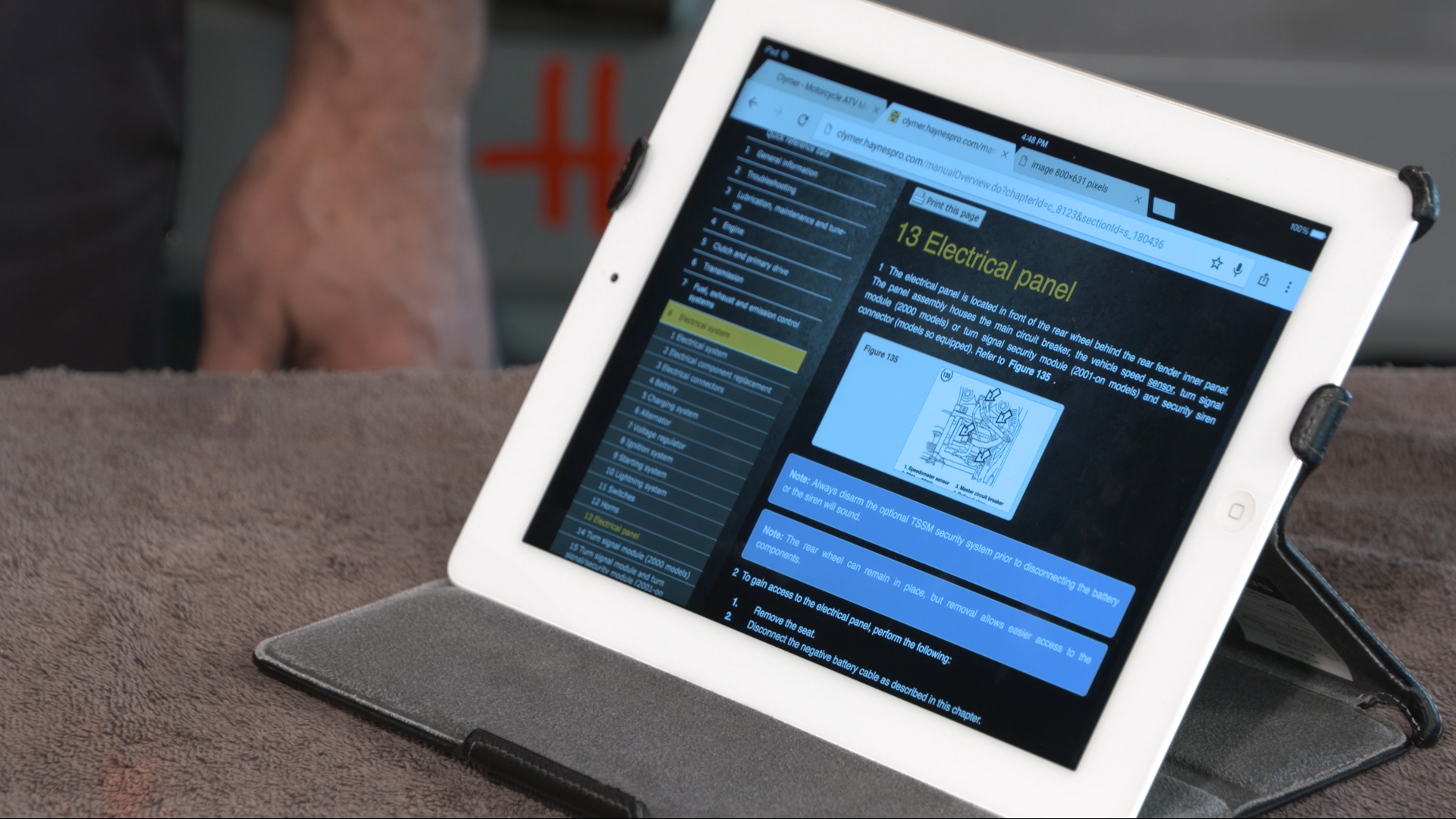
In the digital age, the availability of online resources cannot be overlooked. Haynes recognizes this trend and has significantly expanded its online presence. Their website offers a range of support, including videos, articles, and updated manuals for popular models. This versatility provides DIY riders with dynamic learning tools. Clymer has not remained stagnant, either. Their online platform provides digital manuals for purchase, allowing users immediate access to necessary content. However, it may lack the comprehensive multimedia features found within Haynes’ offerings.
6. Target Audience and Usability
The target audience for both manuals can vary slightly. Haynes tends to appeal more to the casual rider or novice mechanic seeking straightforward, user-centric content. In contrast, Clymer manuals often attract seasoned enthusiasts or professionals who appreciate the depth of technical information and hands-on guidance. This distinction can significantly influence usability depending on the skill level of the reader.
7. Pricing and Availability
Regarding pricing, both manuals are competitively positioned. However, they can differ in availability based on regional distributors. Haynes manuals tend to have a broader distribution network and may be found in local bookstores and auto parts stores, while Clymer’s availability might be more niche. Both brands also offer digital versions at a price that often reflects the physical manual cost, giving consumers options based on preference.
8. Conclusion: Making the Right Choice
Ultimately, the choice between Haynes and Clymer manuals lies in individual preferences and specific needs. For those seeking accessible language, clear visuals, and practical guidance, Haynes manuals may be the ideal resource. Conversely, for advanced DIY riders craving detailed insights and model-specific repairs, Clymer offers invaluable content. Both manuals have their merits, ensuring riders can find the right resource to address their motorcycle maintenance and repair needs. By understanding the differences and aligning them with personal requirements, riders can confidently embark on their DIY journeys, equipped with the best service guides available.