Throughout the vast expanse of motorcycling culture, few phenomena ignite enthusiasm and admiration quite like the exhilarating act of high-speed riding. The very notion of flying low, slicing through the wind at dizzying velocities, resonates deeply with adrenaline seekers. Yet, beneath the allure of high-speed exhilaration lies a labyrinth of risks that demands careful contemplation. As riders embrace the thrill of velocity, it is vital to address the complexities and inherent dangers associated with high-speed riding.
1. The Allure of Speed
High-speed riding ignites a primal instinct within many individuals: the rush of adrenaline, the wind whipping against the skin, and the intoxicating sensation of freedom on two wheels. One cannot overlook the intoxicating nature of speed; it’s a erosive force that captivates. Riders often find themselves enraptured by the possibility of conquering time and space, engaging in a visceral dance with the asphalt beneath them. Yet, this seductive charm masks a myriad of risks that can spiral into perilous outcomes.
2. The Physics of High Velocity
To fully grasp the dangers of high-speed riding, one must understand the physics underpinning it. As speed escalates, the laws of physics dictate that stopping distances lengthen exponentially. A rider traveling at 100 miles per hour will require significantly more distance and time to decelerate than one traveling at a mere 50 miles per hour. This is where the illusion of control unravels; a minor miscalculation can result in catastrophic consequences. The aggregate forces at play can lead to a loss of traction, compromised handling, and a tenuous grip on the road itself.
3. Cognitive Impairments at High Speed
Engaging in high-speed riding often leads to cognitive distortions that can cloud judgment. The phenomenon known as “speed-induced tunnel vision” relegates peripheral awareness, narrowing a rider’s field of vision to a mere sliver. With the world whizzing by in a blur, the ability to process information diminishes significantly. Recognizing a hazard—be it a pothole, an erratically moving vehicle, or a sudden curve—becomes a Herculean challenge, further elevating the dangers faced on the road.
4. The Environmental Factors
Riding at high speeds amplifies the impact of environmental elements. Wind resistance increases dramatically, setting a higher demand for physical endurance and stamina. Fluctuating weather conditions—such as rain or fog—can obscure visibility and affect traction. Road conditions, too, are a variable often overlooked. Gravel, debris, or uneven surfaces can become hidden traps, waiting to ensnare the unwary rider. Additionally, the psychological weight of external stimuli, including distracted drivers, adds an element of unpredictability, making the riding experience even more perilous.
5. The Social Dynamics of Riding
Rider camaraderie often intertwines with the thrill of speed, fostering a culture that sometimes encourages reckless behavior. Group rides can devolve into unwarranted competitions, where prowess on the asphalt becomes an emblem of status among peers. The desire to showcase one’s skills can lead to impulsive decisions. Riders may push beyond their limits, underestimating their capabilities and the unpredictability of surrounding traffic. This social pressure can prove to be a subtle catalyst for risky riding behavior, ultimately culminating in dangerous outcomes.
6. The Necessity of Gear
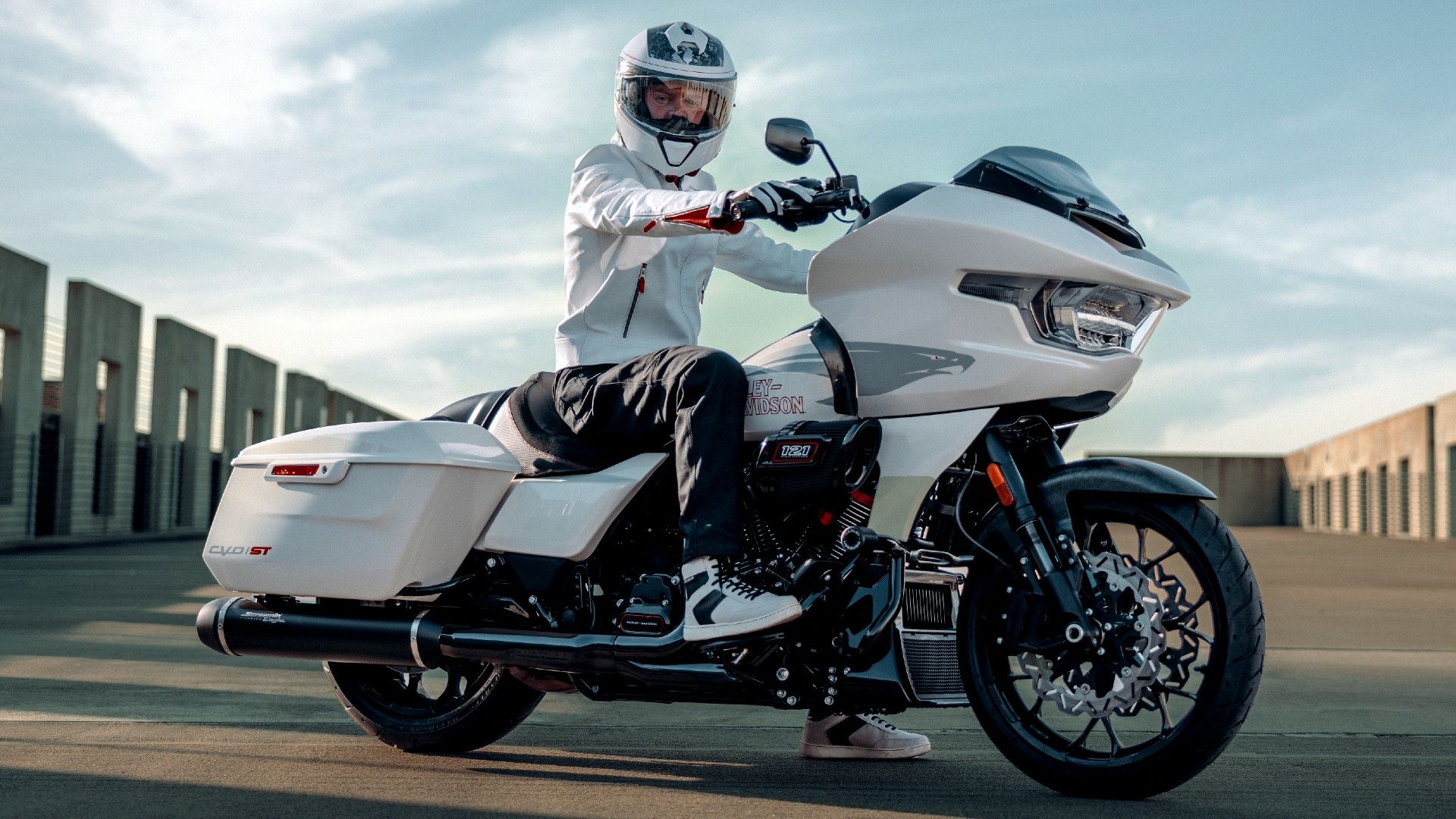
Despite the pervasive risks associated with high-speed riding, proper safety gear becomes paramount. While it may seem burdensome to don a full set of protective equipment—comprising a helmet, gloves, reinforced jacket, and sturdy boots—the consequences of forgoing such protection are grievous. High-speed impacts can result in life-altering injuries or fatalities. The tactile nature of safety gear is not merely aesthetic; it offers a crucial layer of defense against abrasions, punctures, and blunt force trauma. Ensuring that one’s gear fits appropriately and adheres to established safety standards can make a profound difference in a moment of crisis.
7. The Mindful Approach to High-Speed Riding
Fostering a mindful approach to riding can mitigate many of the inherent dangers. Riders should cultivate an acute awareness of their surroundings, emphasizing the need for continuous scanning and assessment of the road ahead. Integrating regular skill-building practices—such as advanced riding courses—can equip individuals with an arsenal of techniques to handle high-speed scenarios. Moreover, fostering a respectful relationship with the machine itself—instead of treating it as a tool for reckless escapades—can transform the riding experience into one of exhilarating, yet responsible, freedom.
8. The Future of High-Speed Riding Safety
As technology continues to evolve, the landscape of motorcycle safety is poised for radical transformations. Advanced braking systems, adaptive headlights, and traction control systems are revolutionizing the riding experience, equipping riders with unprecedented tools to enhance safety at high speeds. As collective knowledge grows and awareness amplifies, the hope is that future generations of riders will embrace speed while prioritizing safety, ensuring that the allure of flying low is met with an understanding of the responsibilities it entails.
In conclusion, the intoxicating allure of high-speed riding is undeniable. Yet, it is crucial to peel back the layers of this cultural phenomenon to reveal the intricate tapestry of risks that lie within. By acknowledging the complexities of speed, fostering responsible riding practices, and embracing technological advancements, riders can navigate the thrilling world of motorcycling while prioritizing safety above all else. Embracing speed does not necessitate recklessness; rather, it calls for a harmonious balance between exhilaration and prudence.