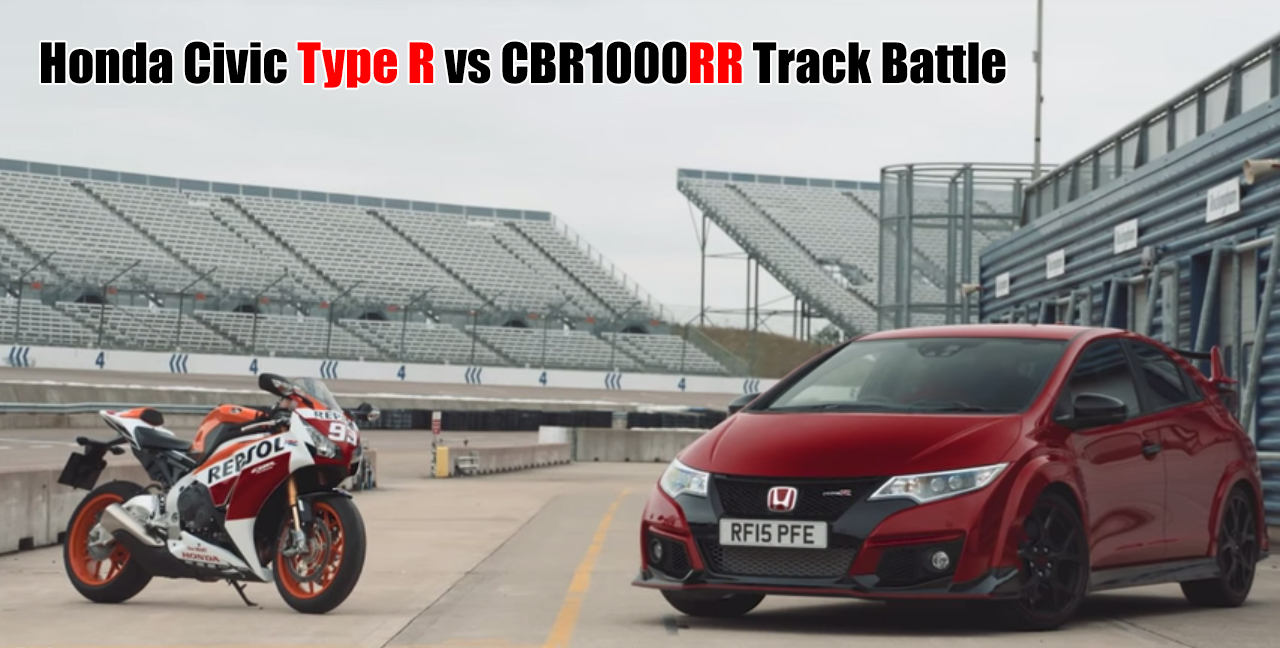
In the thrilling world of superbikes, the Honda CBR1000RR stands tall, a veritable titan among its countless rivals. Released in various iterations, the CBR1000RR has evolved over the years, showcasing Honda’s relentless pursuit of performance, agility, and technological advancement. But how does it truly measure up against the competition? Buckle up as we dive into this exhilarating comparison, exploring the nuances that set the CBR1000RR apart in the battle of the superbike blades.
A Legacy of Innovation
The Honda CBR1000RR, nicknamed the “Fireblade,” has been a cornerstone of Honda’s performance lineup since its inception. Known for its blend of power and finesse, this motorcycle embodies the spirit of racing. From its lightweight chassis to advanced aerodynamics, every feature is meticulously crafted to deliver an unparalleled riding experience. As we delve deeper, it’s worth considering: what does it take to remain competitive in such a dynamic field?
Performance Metrics: Power Meets Precision
At the heart of the CBR1000RR is a robust inline-four engine that produces awe-inspiring horsepower and torque. This powerhouse is complemented by sophisticated electronics that enhance throttle response, traction control, and ride modes. Compared to its rivals—such as the Yamaha YZF-R1 and Kawasaki Ninja ZX-10R—it competes not only on the racetrack but also in everyday usability.
The Yamaha YZF-R1 offers a slightly more aggressive riding posture, which can be enticing for those who crave a raw, visceral experience. With its crossplane engine design, the R1 delivers a unique character that appeals to seasoned riders. However, the CBR1000RR’s refined power delivery provides a significant edge in everyday scenarios, making it more accessible without sacrificing the thrill of speed.
Technological Sophistication: A Digital Revolution
Riding in the 21st century means embracing advanced technology, and the Honda CBR1000RR does just that. With features like the Honda Selectable Torque Control (HSTC) and Ride By Wire (RBW), this bike offers a remarkable level of control at the rider’s fingertips. In contrast, the Ducati Panigale V4 shines with its cutting-edge electronics like the Ducati Traction Control and Cornering ABS, bringing a personalized touch to performance.
The Panigale’s striking design and race DNA can entice, but the Honda’s user-friendly interface and high-level safety features cater to a broader audience. Here lies the conundrum: which is more important for a superbike? Flawless technology or the ability to tame the beast without overwhelming the rider?
Aerodynamics and Design: Crafting the Flow
When it comes to design, the Honda CBR1000RR is an elegant fusion of form and function. Characterized by sharp lines and an aggressive stance, the Fireblade not only attracts the eye but also slices through the air effortlessly. Its fairings are sculpted to enhance airflow and stability at high speeds, a feature that is crucial in a superbike’s performance. We cannot overlook the aesthetic marvel that is the Suzuki GSX-R1000, with its iconic blue and white color schemes that evoke a sense of nostalgia while offering modern performance.
However, while the GSX-R1000 boasts a storied heritage, superbikes are not merely about looks. The CBR1000RR’s aerodynamic efficiency translates into real-world performance gains, optimizing stability and maneuverability on winding roads and racetracks alike. In an environment where milliseconds count, can aesthetics really carry as much weight as functional engineering?
Handling Dynamics: Choreographing the Ride
The handling of a superbike significantly contributes to its overall appeal. The CBR1000RR’s lightweight chassis allows for nimble maneuverability. Its suspension, fine-tuned for precision and feedback, instills confidence in riders as they navigate tight corners. The Kawasaki Ninja ZX-10R, known for its sharp handling and cornering prowess, presents a formidable challenge.
Indeed, the Ninja’s agility on twisty roads is noteworthy, yet the CBR1000RR offers a balanced ride that can transition seamlessly between track and road. What truly defines a superbike is not merely raw speed, but the harmony it creates with the rider. Can a motorcycle be a true superbike if it doesn’t enable the rider to feel at one with the machine?
The Endgame: Value Proposition
Finally, let’s discuss the often-overlooked aspect of value. The Honda CBR1000RR, while upfront in price, often offers more asembled features and reliability, reducing long-term ownership costs. While the Ducati Panigale V4 might seduce with its Italian engineering and exotic flair, the Honda’s consistent performance makes it a more practical choice for many. Consider this: is the thrill of having the latest exotic bike worth the potential headaches that come with maintenance and repairs?
Conclusion: The Ultimate Choice
The question lingers—how do you choose between the CBR1000RR and its worthy adversaries? Each contender brings its unique attributes to the table: exhilarating performance, advanced technology, stellar design, agility, and value. The CBR1000RR has proven itself resilient, embodying an essence of reliability mixed with excitement, making it suitable for both seasoned racers and everyday riders alike.
As the battle of the superbike blades continues, only one thing is for certain: the quest for the ultimate ride involves a plethora of exhilarating choices. So ask yourself, what qualities matter most in your quest for superbike supremacy?