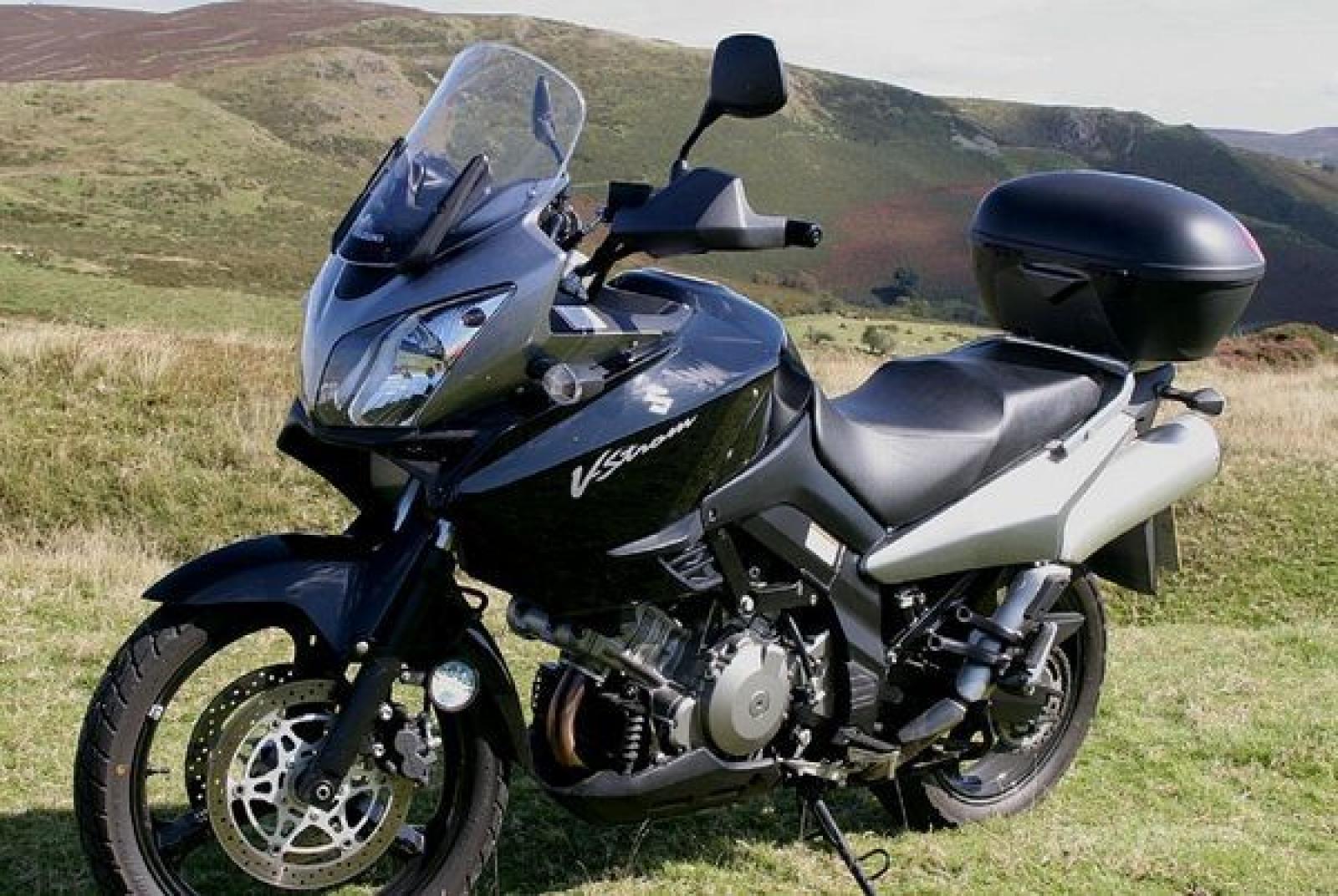
When the time arrives to part ways with your beloved motorcycle, it can feel akin to severing ties with an old friend. Yet, with the right strategy, this separation can lead to new adventures—not just for you, but also for the next rider who will throttle through the streets. This comprehensive guide will provide you with ten essential steps to selling your motorcycle effectively, encompassing pricing, paperwork, and the ideal platforms to reach potential buyers in various neighborhoods across New York City.
1. Assessing the Value: Pricing Your Motorcycle
Your motorcycle is not just a machine; it’s a culmination of memories and experiences. To determine a competitive price, leverage resources like Kelley Blue Book or NADA Guides. Keep in mind the make, model, year, and condition of your bike when evaluating its worth. Factor in any modifications or enhancements that could elevate its value, like upgraded exhaust systems or custom paint jobs. Setting a price that reflects both market demand and emotional investment can draw in prospective buyers who appreciate its intrinsic value.
2. Organizing Necessary Paperwork
Just as a painter needs a canvas, you require the right paperwork to present your motorcycle authentically. Essential documents include the title, bill of sale, and any service records you possess. Ensure the title is clean and ready for transfer. In New York, securing a completed Form MV-909 (certificate of title) for the buyer upon sale is crucial. Organizing these documents in advance will streamline the selling process and instill confidence in your buyer.
3. Prepare Your Motorcycle for Sale
An artist polishing their masterpiece speaks to the heart of presentation. Clean your motorcycle thoroughly, ensuring that every chrome piece gleams and the engine runs smoothly. Consider minor fixes, like replacing worn grips or addressing minor cosmetic flaws, because first impressions are lasting. Take quality photographs in good lighting to showcase the bike from multiple angles, highlighting its details and unique features that stand out like stars in the night sky.
4. Crafting an Engaging Listing
Your listing is akin to a novel’s blurb—a tantalizing enticement that invites readers to delve deeper. Write a compelling and informative description, capturing the essence of your motorcycle while elucidating its unique selling points. Mention aspects such as mileage, modifications, and performance. Use descriptive language that evokes emotion—allow potential buyers to visualize themselves riding your motorcycle, experiencing the roar of the engine and the rush of the wind.
5. Choosing the Right Platforms
The digital marketplace is teeming with avenues for selling your motorcycle. Consider these reputable platforms:
- Craigslist
Address: www.craigslist.org
Contact: Local listing emails
A neighborhood-centric platform ideal for connecting with local buyers. - Cycle Trader
Address: www.cycletrader.com
Contact: Customer support through the website
A dedicated site for motorbike enthusiasts that showcases a myriad of listings. - Facebook Marketplace
Address: www.facebook.com/marketplace
Contact: Messages through Facebook
Leverage social media to reach potential buyers in your community. - eBay Motors
Address: www.ebay.com/motors
Contact: Support available via the site
A popular platform for auction-style or direct sales with a wider audience reach.
6. Social Media and Local Forums
Like whispers in the wind, communities thrive on recommendations and word of mouth. Utilize local motorcycling groups on platforms like Facebook and forums such as Reddit’s r/motorcycles to spread awareness about your bike. Engaging in conversations can not only bolster your credibility but also catalyze interest from fellow enthusiasts who appreciate the craftsmanship of your ride.
7. Setting Up for In-Person Meetings
In-person meetings serve as the final chapter in your ambitious narrative. Choose a safe, public location for potential buyers to inspect the motorcycle—think local parks or coffee shops with ample parking. Have all documentation readily available and possess the ability to answer any queries about the motorcycle’s history, features, and performance.
8. Negotiating with Prospects
Negotiation is much like a dance—timing, rhythm, and elegance matter. Be prepared for haggling; it’s a customary part of selling. Maintain a calm demeanor and be willing to offer a slight concession if it means sealing the deal. However, remain steadfast on your minimum acceptable price—a baseline that ensures you walk away satisfied.
9. Closing the Deal
10. Riding Off into the Sunset
Once the paperwork is finalized and the cash exchanged, it’s time to reflect on the journey. Selling a motorcycle is not only a transaction—it’s an opportunity to transfer a legacy. Wave goodbye knowing you’ve facilitated the next chapter for both yourself and the new owner, who will undoubtedly cherish the machine as you once did. The streets remain open and inviting, ready for the next adventure.
Conveying your motorcycle to a new owner can be a heartfelt endeavor, with the potential to end in jubilation for both parties. By following the aforementioned steps with diligence and care, you can utilize the bustling neighborhoods of New York to successfully sell your motorcycle and embrace the exhilarating journey that awaits ahead.