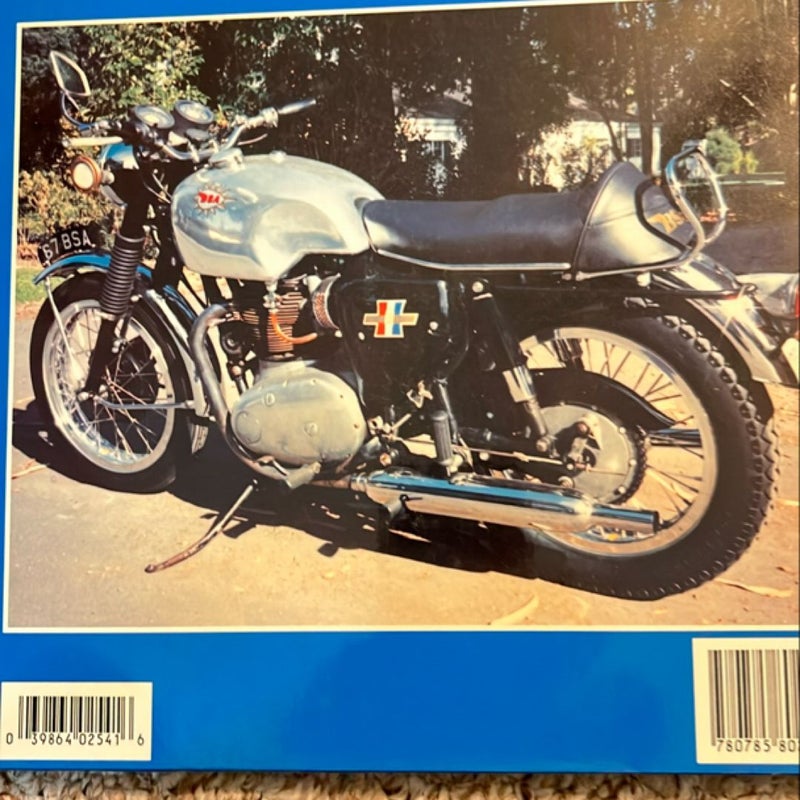
Motorcycles embody a spirit of freedom and adventure, a voracious appetite for the open road, often likened to the wild stallions of the plains. The relationship between riders and their machines transcends mere mechanics; it becomes a profound connection that invigorates the soul. To encapsulate this passion, one cannot overlook the vibrant world of comic art. Illustrated works celebrate not just the ride but the legends that come with it, creating a tapestry of narratives that vibrate with history, culture, and emotion.
Comics serve as a bridge between intricate mechanics and breathtaking escapades, melding visual artistry with storytelling. They furnish a unique vehicle to explore the myriad facets of motorcycle history, transforming mere anecdotes into larger-than-life sagas. Heroic brawn, the excitement of adrenaline-fueled competition, the ever-churning gallop of the engine—these elements combine to form a universal language of rebellion, courage, and camaraderie.
The appeal of motorcycles in the realm of comic art lies in their multifaceted nature. They are icons of counterculture, emblematic of independence and renegade spirit. Creators often depict these two-wheeled machines as sentient beings; metallic stallions racing against the wind, possessing the power to liberate or confine, based solely on the weight of their rider’s choices. This personification allows the reader to dive into the narrative with a visceral understanding of the emotional rollercoaster associated with riding. These illustrations tauten the strings of imagination, prompting reflections on the complexity of human experiences.
Motorcycle-associated comics often unveil a rich historical canvas, narrating stories that span decades. The roots of this art intertwine with the very fibers of motorcycle culture, echoing back to the early 20th century when the sport began garnering attention. Legends such as Indian Motorcycle, Harley-Davidson, and Triumph emerged as not just manufacturers but as cultural touchstones, inspiring comic creators to translate their thrilling narratives into imaginative visuals.
Illustrating motorcycle history through this lens reveals a plethora of intriguing stories. For instance, the famed “Battle of the Baggers” captures the rivalry between classic cruisers and sportbikes, juxtaposing the heritage of old-school rides against modern pursuits. Panels filled with dynamic actions tell tales of friendship dashed by competitions, evoking sentiments of nostalgia while enticing a new generation into the fray.
Moreover, celebrating the pioneers—those audacious souls who broke barriers on two wheels—offers profound insights into social change. Comics have meticulously chronicled the endeavors of women in motorcycling, like the renowned Bessie Stringfield, who blazed trails in the 1930s as the first African American woman to ride solo across the United States. In vivid colors and vibrant illustrations, her courage and determination jump off the pages, inspiring readers to embrace their own path of individuality.
Furthermore, comic art encapsulates the romance and rebellion entwined within motorcycle culture. The subculture constitutes a microcosm of art and aesthetics; from the expressive tattoos to the minimalist style of café racers, the visuals become a rite of passage for many bikers. Comic creators who embrace this aesthetic naturally infuse their work with authenticity, inviting readers to not just see, but feel the culture that surrounds the motorcycle community.
A remarkable aspect of comic interpretations of motorcycle history is their capacity to interact with technological evolution. The intricate designs and modifications of bikes have been celebrated extensively through illustrations, revealing the marriage of artistry and engineering. Riders’ aspirations for speed and performance manifest in comic panels as exaggerated power and majesty, where horsepower becomes an elemental force driving the narratives forward. The transition from classic designs to contemporary models is artistically chronicled, encouraging discussions around innovation and artistic expression.
The vibrant subgenres within motorcycle comics, such as manga and graphic novels, also signal this genre’s versatility. Manga enthusiasts revel in the high-octane tales featuring street racing and drift culture, weaving narratives that celebrate speed as an allegory for life’s fleeting moments. On the other hand, Western graphic novels often delve into the philosophical aspects; in narratives where journeys become quests for self-discovery, readers witness that riding transcends mere travel. These stories, peppered with metaphysical dialogues and rich symbolism, become the perfect conduit to explore what it truly means to ride—to embrace both the allure of the road and the shadows of one’s soul.
Each comic page turns into a revelation, presenting a world that resonates deeply with both seasoned riders and novices alike. The illustrations do not merely reflect a pastime; they construct entire mythologies that captivate hearts and minds. Different artistic styles invigorate these narratives, with some artists opting for exaggerated linework that hints at the chaos of speed, while others prefer subdued palettes to index the nostalgia inherent in motorcycle culture.
The convergence of motorcycles and comic art is indeed a celebration of legends—those who rode, inspired, and laid the groundwork for future generations. As you page through the vibrantly illustrated realms, you encounter not just the buzz of engines and the blur of landscapes, but also a legacy echoing through time. It is a history that compels you to join in, to become a part of the narrative, and to discover just how deeply the art of riding weaves itself into the fabric of life itself. Riding a motorcycle is more than mobility; it is an adventure begging to be drawn, told, and shared.