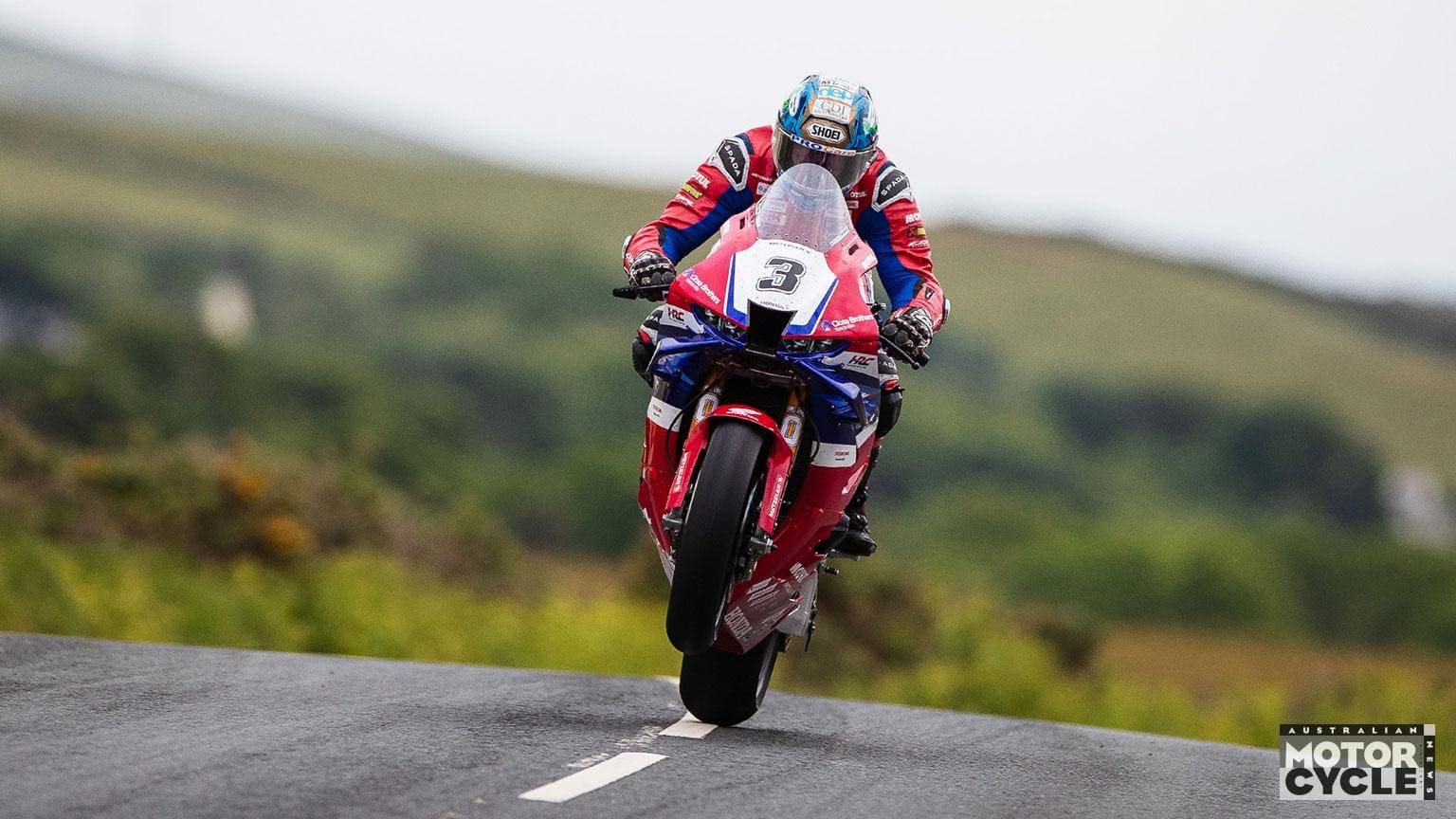
The Isle of Man Tourist Trophy (TT) is not merely a race; it epitomizes the clash of speed, skill, and the unyielding pursuit of perfection. Qualifying sessions preceding the actual race are a battleground where riders push their machines—and themselves—to the limit. The quest for pole position is as intense as the race itself, illuminating the fierce rivalry and nuanced strategies that pervade the world of motorcycle racing.
As spectators line the course, the excitement is palpable. The atmosphere crackles with anticipation, and the air hums with the roar of engines, as riders like Michael Dunlop, John McGuinness, and Dean Harrison engage in a delicate dance between finesse and aggression. But what drives these competitors to obsess over lap times? And why is the battle for the fastest lap during qualifying so compelling?
1. The Importance of Qualifying
Qualifying sessions at the Isle of Man TT are not simply practice runs; they are pivotal moments that can determine the outcome of the entire race. A rider who secures a front-row position benefits from clearer sightlines and a less chaotic start. This can be crucial, as the narrow roads of the Isle of Man offer scant room for error. Gaining advantageous track position during qualifying shapes race strategies and bolsters a rider’s confidence. In such a high-stakes environment, even a fraction of a second can be the difference between victory and defeat.
2. An Intricate Web of Rivalry
Embedded within the mere pursuit of speed lies a complex tapestry of rivalries and alliances. For many riders, the Isle of Man TT is personal. On one hand, there are intense rivalries that create a palpable tension, motivating riders to elevate their performance beyond their usual capacities. The camaraderie among competitors adds layers to the spectacle, as shared respect and mutual admiration can provoke both collaboration and competition simultaneously.
The psychological pressures of these precarious relationships often manifest during qualifying. Riders are not only competing against the clock but also against each other, aware that every time they hit the tarmac, the eyes of their rivals—and their fans—are scrutinizing their every move. This tension brings forth exhilarating moments, where pilots stake their claims in the ongoing saga of two-wheeled speed.
3. Technological Arms Race
The Isle of Man TT is also a crucible of engineering prowess and innovation. The bikes themselves are high-performance machines that experience relentless development. From aerodynamics to tire compositions, every aspect is finely tuned to shave crucial milliseconds off lap times. Riders collaborate closely with engineers to extract maximum performance, leading to a unique amalgamation of rider skill and engineering aptitude.
During qualifying, this focus on technology is particularly pronounced. New setups and tweaks are tested in real-time, transforming practice into a live laboratory where insights are gathered for the main event. Riders experiment with different tire pressures, suspension settings, and even gearing ratios, all influencing how they navigate the challenging course. The quest for the fastest lap isn’t just about the rider’s ability; it’s a testament to the relentless pursuit of engineering excellence.
4. The Psychological Game of Qualifying
Beyond mere speed and technology, the Isle of Man TT qualifying rounds delve into a psychological labyrinth. Riders are often thrust into an arena where adrenaline pulses through their veins, propelling them to confront their fears. Each lap presents not only a physical challenge but also a mental odyssey. The mind must remain vigilant amidst the exhilarating chaos, as taking even the slightest miscalculated risk can lead to dire consequences.
Utilizing visualization techniques, riders prepare mentally for the task ahead. They sculpt mental maps of the course, rehearsing their lines and braking points before they even set foot on their bikes. In a sport where milliseconds decide fates, the ability to remain composed under pressure becomes a quintessential skill, often distinguishing the champions from the challengers.
5. The Allure of the Unknown
The Isle of Man TT is renowned for its overcast weather conditions and unpredictable nature. During qualifying, riders frequently encounter varying levels of grip and visibility, demanding acute adaptability. The climate and terrain can shift within moments, making every lap a gamble with chance—a tantalizing blend of skill and uncertainty that keeps both competitors and fans on the edge of their seats.
This unpredictability enhances the allure of the event, as riders must constantly recalibrate their strategies, making split-second decisions that can irrevocably alter their race prospects. The specter of the unknown creates a rich narrative, where each qualifying session becomes a story filled with tension, emotion, and unexpected turns, captivating audiences globally.
6. A Reverberating Legacy
As the grand spectacle unfolds, the significance of qualifying rounds transcends mere race-day logistics. They encapsulate the ethos of the Isle of Man TT—its history, its legends, and its undying spirit of competition. Riders come to etch their names in the annals of motorcycling history, often propelled by the memories of those who have forsaken the track before them.
The legacy created during these exhilarating hours of qualifying persists long after the engines have cooled. Riders are not solely racing against time on the clock; they are racing against the very essence of the TT, writing their own chapters in a storied narrative of adrenaline, ambition, and achievement.
In the grand tapestry of motorcycle racing, Isle of Man TT qualifying battles are an enthralling testament to human endeavor. Each lap is a struggle against time, technology, fear, and fate, captivating anyone who dares witness the white-knuckled ride that is part sport, part art form, and wholly unforgettable.