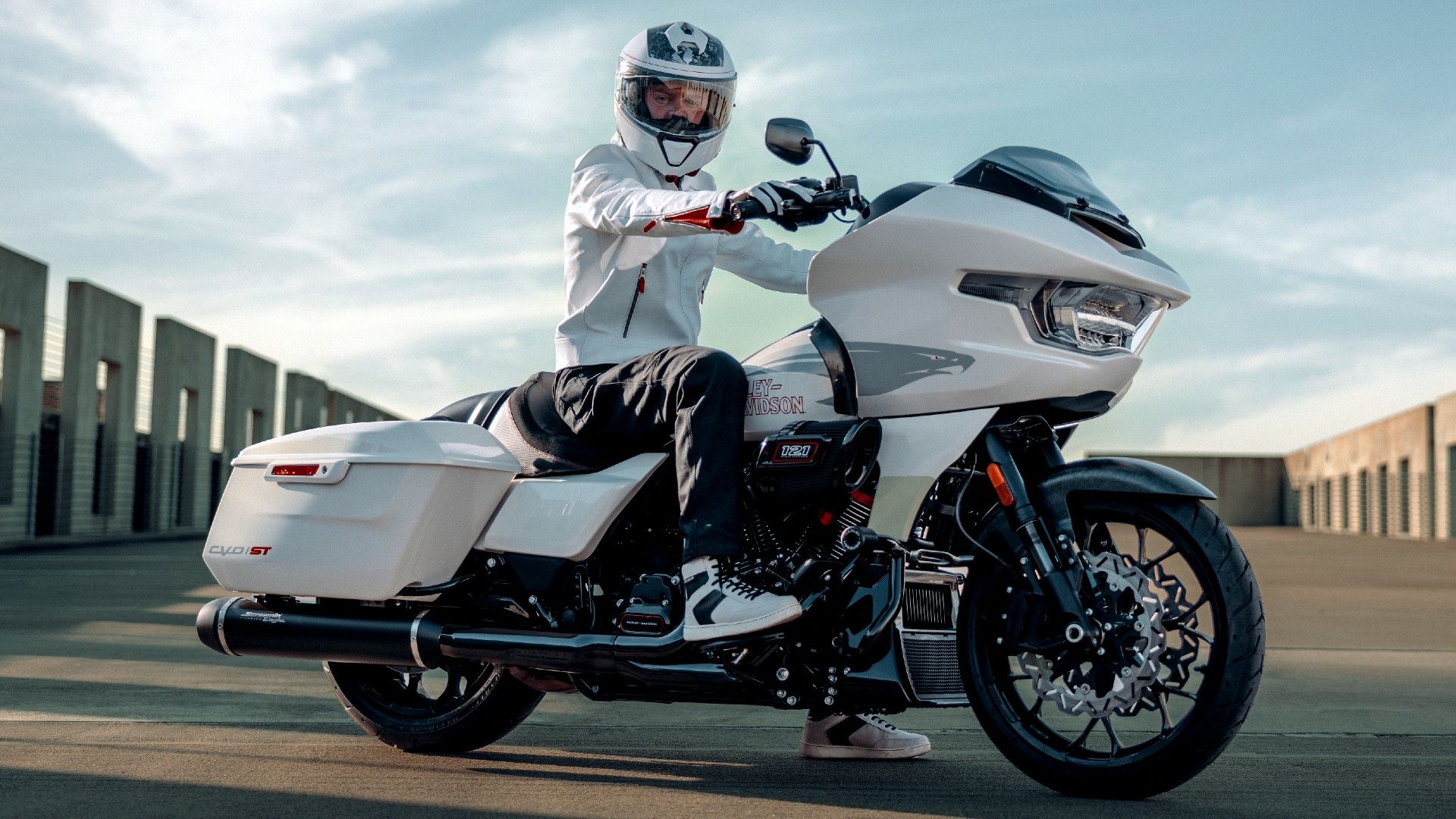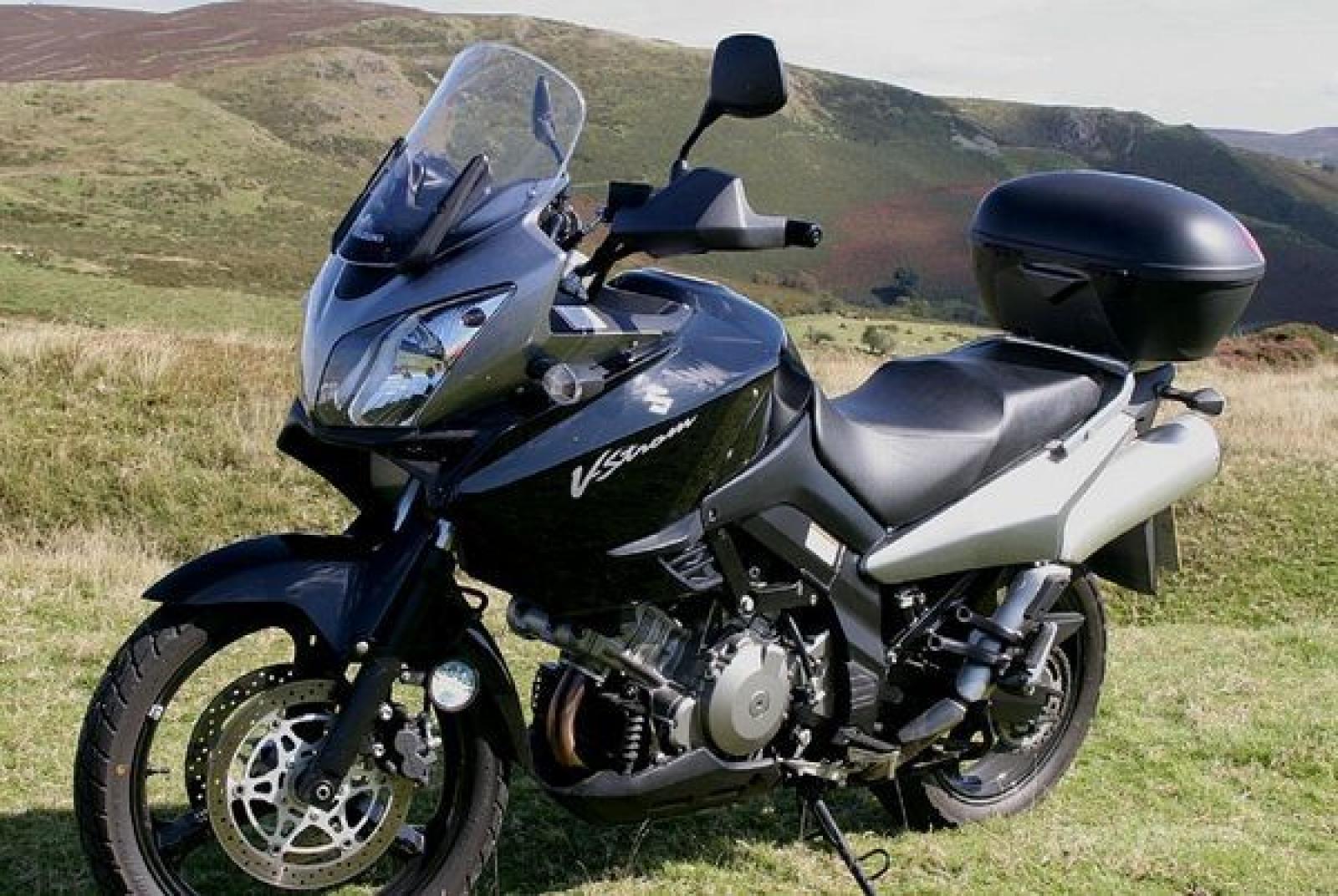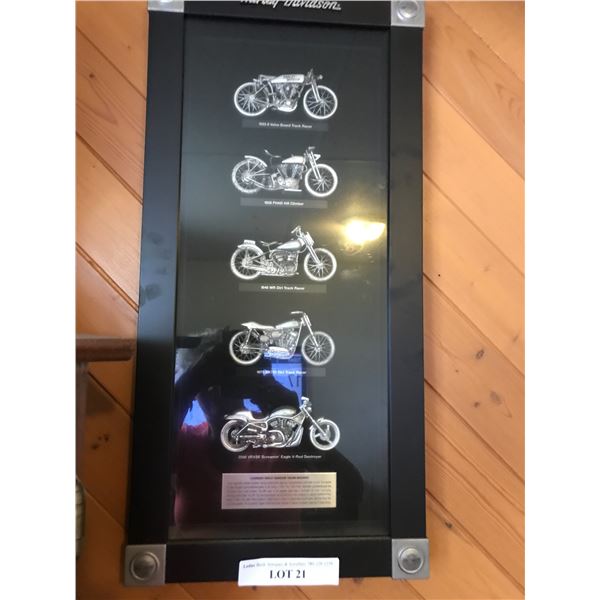
Motorcycles have long captured the imagination of enthusiasts and casual riders alike, transcending the boundaries of mere transportation to become icons of culture, speed, and adventure. Each decade of the 20th and 21st centuries has introduced motorcycles that have not only influenced engineering but also shaped the very fabric of motorcycle culture. This exploration into legendary motorcycles through the decades unveils machines that made history and left indelible marks on the world of motorcycling.
1920s: The Beginning of the Motorcycle Revolution
The 1920s marked a transformative era in the realm of motorcycles, characterized by innovative engineering and the emergence of iconic brands. One standout model is the Harley-Davidson Model J, launched in 1923. With its robust V-twin engine, it reflected the ethos of American strength and ruggedness. The Model J was not only a commercial success but also a harbinger of Harley’s dominance in the American motorcycle scene, setting the stage for future innovations to come. Meanwhile, in Europe, the BSA 490 showcased the British commitment to performance and reliability, establishing BSA as a leading contender in the motorcycle market.
1930s: Streamlined Aesthetics and Performance
The 1930s ushered in an era of bold design and streamlining, heavily influenced by automotive trends of the time. The Indian Four, introduced in 1932, was a revelation with its four-cylinder engine, offering unparalleled smoothness and power. Notably, this model became a favorite among long-distance riders and captured the essence of luxury in motorcycling. BMW also made waves with the launch of the R5, renowned for its innovative engineering, including the first use of a shaft drive in production motorcycles. This model laid the groundwork for reliability and performance standards expected in modern motorcycles.
1940s: The War Influence
The advent of World War II had a profound impact on motorcycle design and production. The WLA Harley-Davidson, commonly known as the World War Two Army Bike, played a pivotal role as military transport. Equipped with a rugged design and an iconic look, it became a symbol of freedom and endurance, used extensively by military personnel during the war. Post-war, the motorcycle landscape saw a resurgence of civilian interest, spearheaded by models like the AJS Model 18, which exemplified the merging of military functionality with civilian style.
1950s: The Rock ‘n’ Roll Era
The 1950s were marked by the rise of counterculture and rock ‘n’ roll, leading to motorcycles becoming a symbol of rebellion and individuality. The Triumph Bonneville T120, introduced in 1959, became an emblem of this era. With its sleek design and impressive 650cc engine, it garnered a cult following, notably among film stars and musicians. The T120 was more than a machine; it became a symbol of the quintessential British motorcycle experience. Meanwhile, in America, the Harley-Davidson Sportster made its debut, which would evolve into one of the most recognized models in motorcycle history, known for its versatility and adaptability.
1960s: Performance and Innovation
The 1960s brought about a radical shift towards performance-oriented motorcycles. The introduction of the Honda CB750 in 1969 revolutionized the industry, combining reliability, speed, and innovative features like disk brakes and an electric starter. Often referred to as the first superbike, its engineering brilliance laid the framework for modern sportbikes and redefined rider expectations. This decade also witnessed the growing influence of Japanese manufacturers, marking the shift of motorcycle supremacy from Europe to Japan.
1970s: The Superbike Craze
As the 1970s progressed, a race for supremacy in performance emerged, leading to the birth of superbikes. The Kawasaki Z1, launched in 1972, carved a niche with its staggering 903cc engine, claiming the title of the fastest motorcycle in the world at its time. This model not only established Kawasaki as a powerhouse in the motorcycle industry but also incited a response from competitors, further pushing the boundaries of speed and technology. Meanwhile, the Suzuki GT750 emerged with its unique water-cooled engine, showcasing technological advancements while adhering to the growing demand for speed and innovation.
1980s: The Technological Revolution
The 1980s heralded an era marked by technological advancements and the emergence of sportbikes. The Honda VFR750F, introduced in 1986, represented a paradigm shift towards precision handling and performance. It combined the functionality of a sportbike with the comfort required for touring, making it a favorite among a broader riding demographic. This era also saw the rise of the Yamaha FZR1000, notable for its incorporation of race technology into street motorcycles, further blurring the lines between track and street performance.
1990s: The Rise of Adventure and Customization
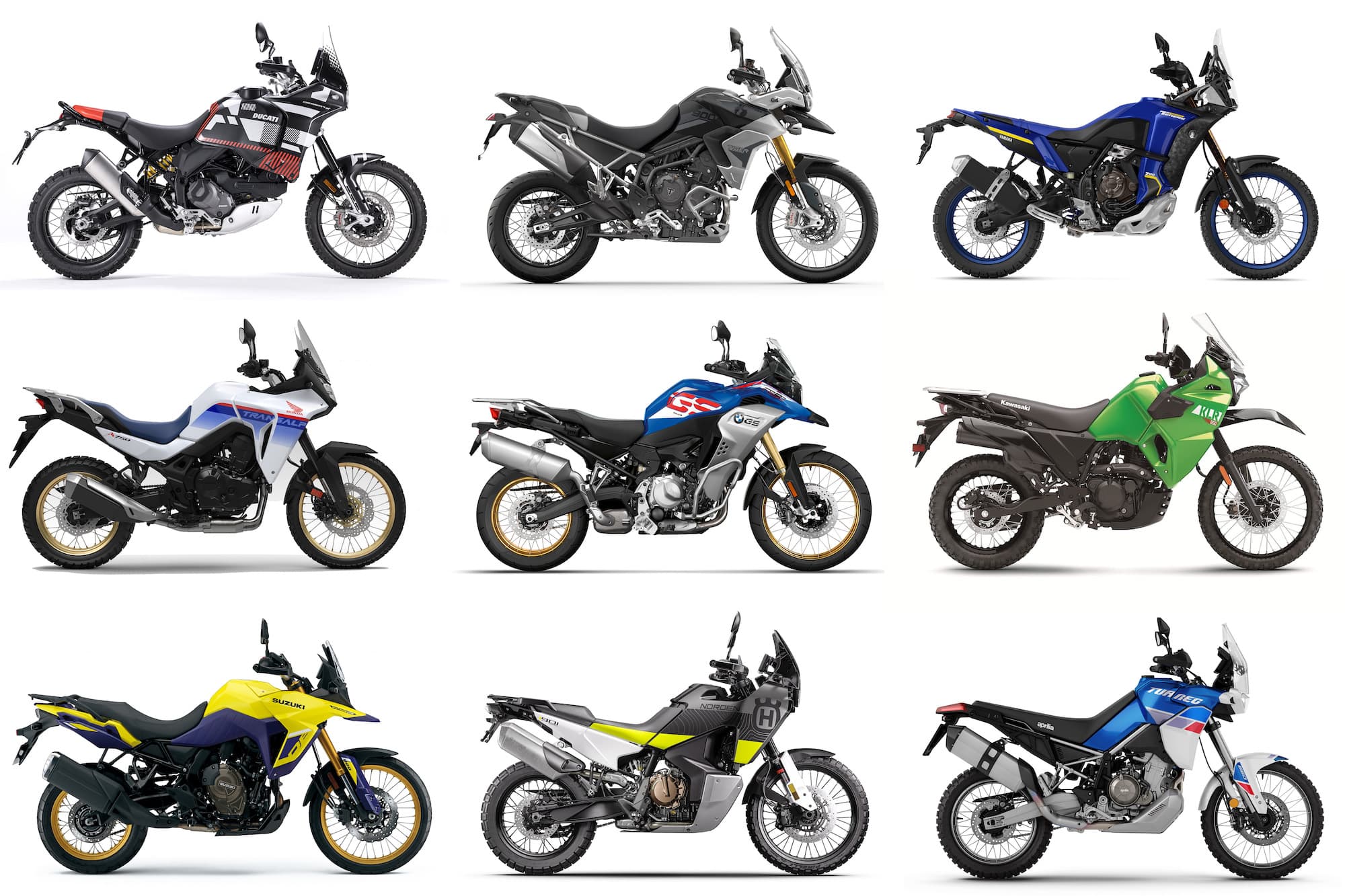
The 1990s emphasized versatility with the burgeoning popularity of adventure touring motorcycles. Models like the BMW GS series revolutionized long-distance travel, combining rugged capability with comfort. Meanwhile, the custom motorcycle culture began to flourish with the emergence of builders like Orange County Choppers, popularizing tailored designs that connected deeply with personal expression. The era saw significant advancements in suspension and braking technology, allowing riders to explore terrains previously deemed untraversable.
2000s to Present: The Future of Motorcycling
As the new millennium dawned, motorcycles began integrating more advanced technologies such as ABS, fuel injection, and ride-by-wire systems. The Honda CBR1000RR, also known as the Fireblade, encapsulated this era with its state-of-the-art engineering, ergonomic design, and racing pedigree. On the electric front, the Harley-Davidson LiveWire, launched in 2019, marked a watershed moment for the industry, pioneering electric motorcycles and stirring discussions about the evolving future of motorcycling. As we look ahead, the fusion of technology and environmental consciousness seems poised to define the next landmark achievements in motorcycle history.
The narrative of legendary motorcycles is a testament to innovation, resilience, and an enduring passion for adventure. Each decade has contributed uniquely to a rich tapestry of history, celebrating machines that inspire, thrill, and create a sense of freedom on two wheels. The legacy of these motorcycles continues to influence future designs and cement their places in the annals of motorcycling history.