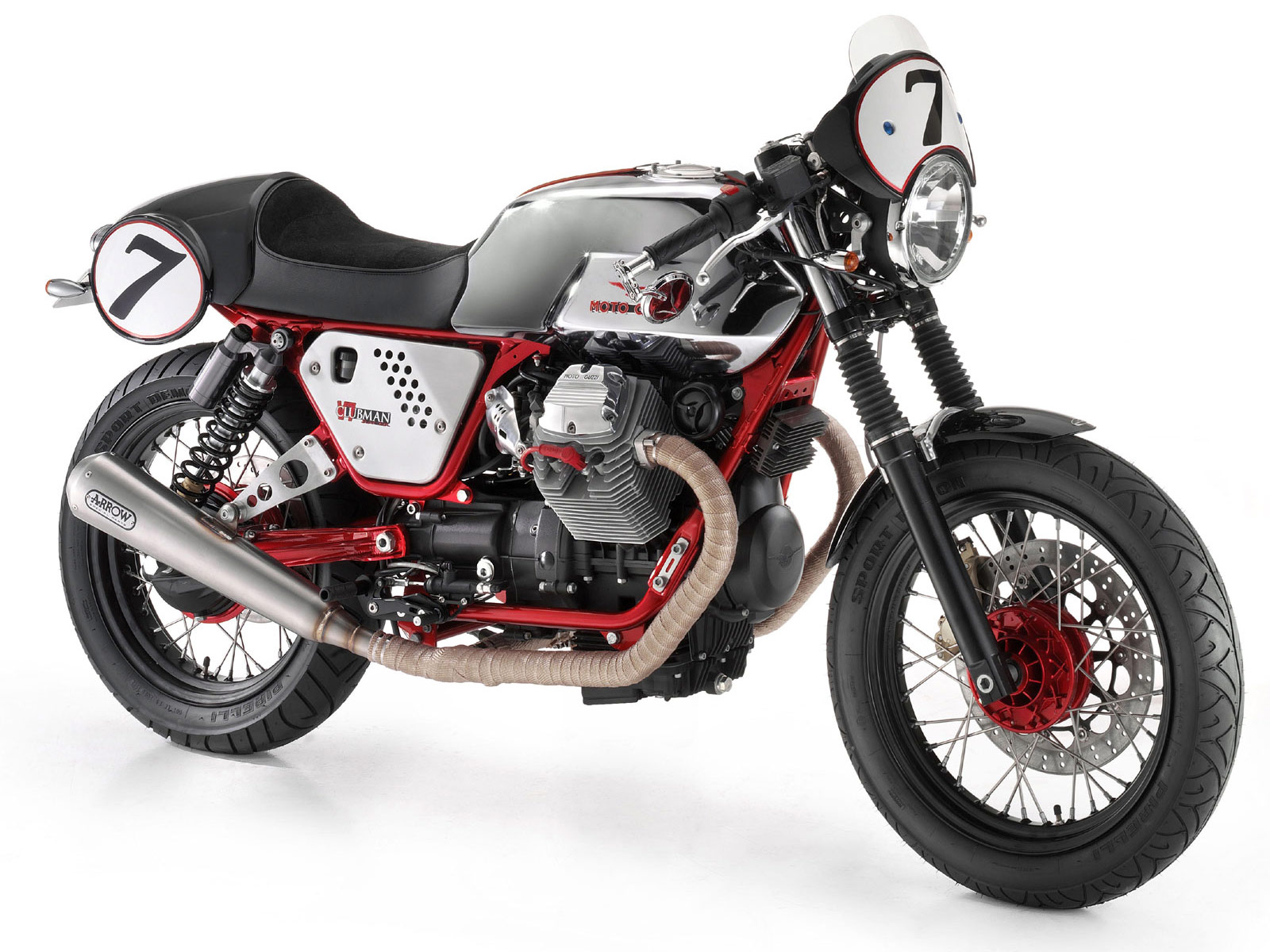
In the sprawling landscape of motorcycle racing, few names resonate with as much reverence and allure as Moto Guzzi. This Italian manufacturer, steeped in history and artistry, has cultivated an enviable reputation for crafting machines that are not only exhilarating to ride but built with endurance in mind. You might find yourself pondering: What makes a Moto Guzzi factory racer a paragon of endurance? And are these legendary machines truly the essence of Italian engineering prowess? Join us in this exploration of Moto Guzzi’s remarkable commitment to building endurance legends.
### The Genesis of Endurance Racing and Moto Guzzi
The roots of endurance racing trace back to the early 20th century when motorcyclists began competing not merely for speed but for stamina and resilience over vast distances. Moto Guzzi emerged in 1921, a product of visionary entrepreneurship and a passionately adventurous spirit. Its early forays into racing established a firm foundation for a culture that prized durability and performance.
From the outset, Moto Guzzi recognized the potential for endurance racing as a platform to demonstrate technical prowess and innovative engineering. As the years rolled by, these corporate ideals matured into concrete achievements, delineating an indelible path in the realm of motorsport.
### The Iconic Le Mans Series
The Le Mans series became emblematic of Moto Guzzi’s commitment to endurance racing, embodying a beautiful marriage of art and engineering. Launched in the 1960s, the Le Mans bikes offered a tantalizing glimpse into the possibilities of high-performance touring and racing. Featuring a distinctive V-twin engine and suitable frame geometry, these machines were primed for endurance challenges.
What made the Le Mans series extraordinary was not merely its assemblage of parts but the splendid engineering behind it. The engineering team meticulously crafted motorcycles that could withstand the rigors of long-distance races. Indeed, the Le Mans racers became synonymous with tenacity, paving the way for future generations.
### The Endurance Racing Phenomenon
As endurance racing grew, so did the desire for betterment. The prestigious Mille Miglia and endurance events in the late 20th century thrust Moto Guzzi into the limelight. Competitors faced grueling conditions—long hours on autopilot, varying weather, and harsh terrains. In this crucible of endurance, the Moto Guzzi racers shone as paragons of reliability and performance.
A hallmark of these races was not solely the extreme distance but the strategic finesse involved in racing. Teams had to balance speed with sustainability, ensuring that engines could withstand the long-term strain. This balancing act soon became a forte for Moto Guzzi. The unique configuration of its engines triumphed over adversities even in the cruelest conditions.
### Renowned Triumphs: The 1970s and Beyond
By the mid-1970s, Moto Guzzi had etched its name into the pantheon of racing legends. Success at the 1975 Imola 200 saw the brand rise to prominence. The elusive victory underscored Guzzi’s excellence in production racing, allowing the engineers to fine-tune and iterate on their designs based on real-world feedback obtained from tracks and endurance events.
Moreover, iconic racers like the Moto Guzzi V7 Sport and the subsequent V1000 series became synonymous with long-distance challenges, embodying the spirit of enduring performance. These machines forged a legacy where the line between man and machine blurred, mutual respect forged through the iron will and excellence of engineering.
### Innovation and Technology: Reinventing the Wheel
The lore of Moto Guzzi factory racers is not confined to nostalgic victories; they are also vessels of inventive breakthroughs. Technological advancements were pivotal. Every iteration brought better aerodynamics, improved suspension systems, and enhanced fuel management systems—all essential for enduring the arduous demands of racing.
For instance, the shift to using stronger materials generated a balance between weight reduction and power. Engineers tirelessly analyzed droplet dynamics, tire wear, and aerodynamics, all manifestations of Guzzi’s innovative spirit. This continuous feedback loop championed Moto Guzzi as both an engineering firm and motorsport competitor.
### The Cult Following and Community Spirit
While racing may be an individual endeavor, Moto Guzzi forged a sense of community among riders and enthusiasts. The shared experiences breathed life into admiration for the brand. Enthusiasts do not merely regard their machines as vehicles; they see them as partners in exploration. The bond with their Moto Guzzi transcends functionality; it becomes an intrinsic part of their identity. With spirited events, gatherings, and races, there exists a kaleidoscope of camaraderie among those drawn by the intoxicating scent of gasoline and adrenaline.
### The Future of Moto Guzzi in Endurance Racing
As we look toward the horizon, what challenges await Moto Guzzi in the world of endurance racing? Can they maintain their illustrious legacy, or will they succumb to the aggressive innovations of newer competitors? The landscape of racing and manufacturing is perpetually shifting. Yet, Moto Guzzi continues to evoke reverence, balancing tradition with the quest for advancement.
Sculpted by decades of endurance, mystery, and a dedication to excellence, Moto Guzzi factory racers remain not just products of the Italian firm’s historical prowess but also true legends written in oil, rubber, and the sweat of racers who dared to push the limits.
In conclusion, the poignant tale of Moto Guzzi is not merely one of machines, but of passion, perseverance, and a philosophy that harnesses the spirit of both man and machine in the relentless pursuit of excellence. Will you find your place among the riders who cherish the legacy of Moto Guzzi and leave a mark in the world of endurance racing?