Motor-paced cycling and motorcycle racing share a rich tapestry that weaves together elements of speed, precision, and strategy. As two seemingly distinct sports, they intersect in fascinating ways, each discipline informing aspects of the other. In this exploration, we delve into the various dimensions where motor-paced cycling and motorcycles converge, laying bare the nuances and technicalities that make each sport enthralling.
1. Understanding Motor-Paced Cycling
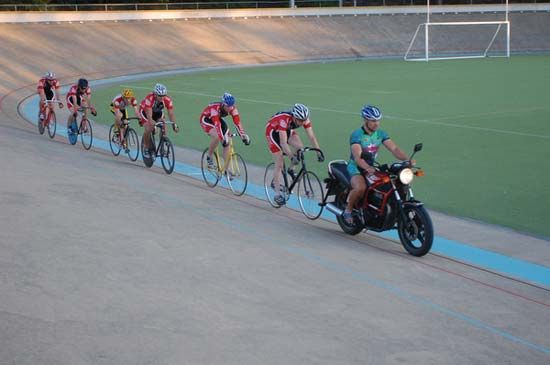
Motor-paced cycling is an exhilarating cycling discipline where a cyclist rides closely behind a motorized vehicle, often a motorcycle, to gain an aerodynamic advantage. This practice maximizes speed by reducing wind resistance, allowing the cyclist to pedal at higher velocities than typically possible alone. The motorsport element introduces an exciting dynamic, blending the physical prowess required in cycling with the mechanical ingenuity of motor vehicles.
Within this category, the use of pacing motorcycles introduces critical aspects such as safety protocols, communication, and strategic positioning. Cyclists must develop a keen sense of awareness about timing and distance, making split-second decisions while navigating the exhilarating experience of drafting behind a motorbike.
2. The Art of Drafting
At the heart of motor-paced cycling is the technique of drafting. This phenomenon occurs when the cyclist positions themselves in the wake of the motorcycle, capitalizing on reduced air resistance. In practical terms, this means that riders can sustain higher speeds for longer durations, an advantage often leveraged in competitive environments. Drafting requires not just physical stamina but also acute tactical awareness, as cyclists must learn to synchronize their movements with the motorcycle’s speed without compromising safety.
A skillful draft can shave seconds off lap times, making this technique imperative for race outcomes. Furthermore, developing an intuitive understanding of how to navigate the slipstream can be the difference between victory and defeat.
3. Motorcycle Racing: The Speed Demons
Turning to motorcycle racing, this adrenaline-fueled sport encompasses various formats including road racing, motocross, and superbike racing. Each type presents unique challenges, such as varying terrains and racing conditions, but they all converge on a singular objective: speed. Riders in this discipline exhibit remarkable control and agility, balancing raw power with technical skill.
The emotional crescendo of motorcycle racing lies in its competitive spirit. Riders jockey for position, utilizing their knowledge of track layouts and weather conditions to gain an upper hand. Aspects such as tire selection and suspension settings also play pivotal roles in a motorcycle’s performance, mirroring the tactical decision-making seen in motor-paced cycling.
4. Equipment and Technology Exchange
The exchange of technology and equipment between motor-paced cycling and motorcycle racing is a compelling aspect of their intersection. Innovations in bicycle aerodynamics, such as lightweight materials and advanced frame designs, have significantly influenced the development of racing motorcycles. Conversely, advancements in motorcycle engineering, particularly in aerodynamics and electronic stability, can also find their way back to cycling practices.
For instance, both sports have embraced sophisticated telemetric systems that monitor performance metrics in real time. Riders can analyze numerous variables from speed to heart rate, allowing for data-driven strategies during both training and competition. This cross-pollination of technology fosters the evolution of both sports, ensuring that they remain at the cutting edge of innovation.
5. The Competitive Landscape
Motor-paced cycling competitions often take place on velodromes or closed circuits, emulating the high-speed, high-stakes environment of motorcycle racing. Events are typically time trials or sprints, where cyclists must harness the full physical and strategic potential of both their own capabilities and that of the pacing motorcycle.
In stark contrast, motorcycle racing features a broader range of formats including endurance races and short sprints, each demanding different sets of skills and strategy. The races often draw large audiences, creating a festival-like atmosphere that enhances the spectator experience. The exuberance and pageantry surrounding motorcycle events can seem worlds apart from the intense focus and discipline of motor-paced cycling competitions, yet at their core, both sports share an appreciation for speed and skill.
6. Community and Cultural Influences
The communities surrounding motor-paced cycling and motorcycle racing reveal intriguing cultural parallels. Both sports boast passionate followers, often attracted by the thrilling exploits of their favorite riders. Social media platforms serve as crucial venues for sharing highlights, techniques, and personal stories, cultivating a sense of belonging among enthusiasts.
Additionally, both sports have inspired an array of subcultures that celebrate custom builds, attire, and an ethos of speed. Racing clubs and cycling organizations often collaborate on events, bridging the gap and creating an inclusive atmosphere where practitioners can share their experiences, thereby enriching both disciplines.
7. Future Directions and Sustainability
As both motor-paced cycling and motorcycle racing progress, the spotlight on sustainability grows ever brighter. The environmental impact of motor sports has prompted a shift towards greener technologies. In the realm of motor-paced cycling, the focus may extend towards enhancing the energy efficiency of motorcycles while promoting cycling as a sustainable mode of transportation.
Initiatives centered around electric motorcycles, for instance, have begun to permeate both realms, presenting new possibilities for competitive formats and recreational enjoyment. The convergence of these two sports provides a unique platform to foster sustainable practices while continuing to engage audiences through thrilling performances.
In summary, motor-paced cycling and motorcycle racing are not merely separate entities but rather intertwined sports that thrive on speed, technology, and community. They serve as reflections of human ambition and the relentless pursuit of performance, forging a path toward ever-exciting frontiers in the world of motorsports.