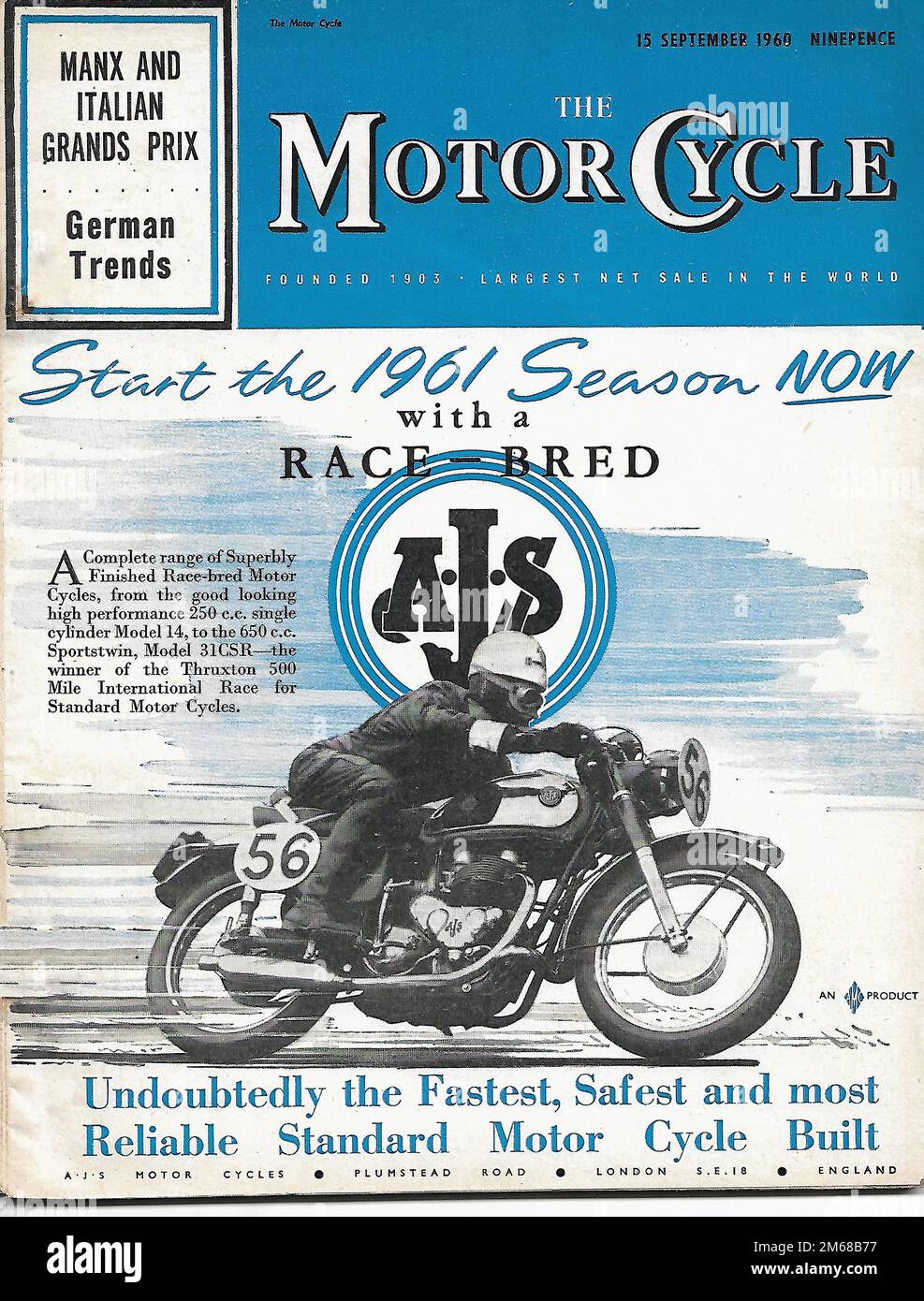
In the world of motorcycle advertising, campaigns often flank the razor’s edge of provocation. The allure of the open road—a craving for freedom and adventure—permeates the very essence of motorcycle culture. Yet, as enthusiasts bask in the revelry of escapism, the advertising that underpins this culture sometimes travels down a path fraught with contentious ideologies, triggering debates that intertwine ethics, societal norms, and commercial motivations. This exploration delves into the intricate tapestry of motorcycle advertising controversies, illuminating moments when campaigns traverse the threshold into problematic territory.
1. The Power of Imagery: A Double-Edged Sword
Motorcycle advertisements often employ arresting imagery to capture the essence of the riding experience—a visceral connection that resonates with potential customers. The evocative landscape of wind-swept highways, the gleaming chrome of a new machine, and the rugged individuals who ride them serve to immortalize the freedom associated with motorcycles. However, what happens when these visuals skew dangerously toward glorifying reckless behavior?
Take, for instance, campaigns showcasing high-speed pursuits or daredevil stunts that imply an acceptability of risk that extends beyond the thrill-seeking aspect. They lure potential riders with the promise of adrenaline but can obscure the consequential realities of motorcycle safety, leading to public outcry. This tendency to romanticize lawlessness risks indoctrinating impressionable viewers into a reckless mindset.
2. Gender Dynamics: The Fight for Representation
Notably, the portrayal of gender in motorcycle advertisements strikes a particularly discordant note—the jarring contrast of empowerment and objectification. Historically, women in motorcycle advertorials have been relegated to the role of accessories, adorning bikes rather than embodying the spirit of independence that motorcycles themselves represent. Campaigns that depict women clad in scant attire, riding pillion behind male riders, not only perpetuate outdated stereotypes but also stifle the narrative of women as autonomous figures in the motorcycling realm.
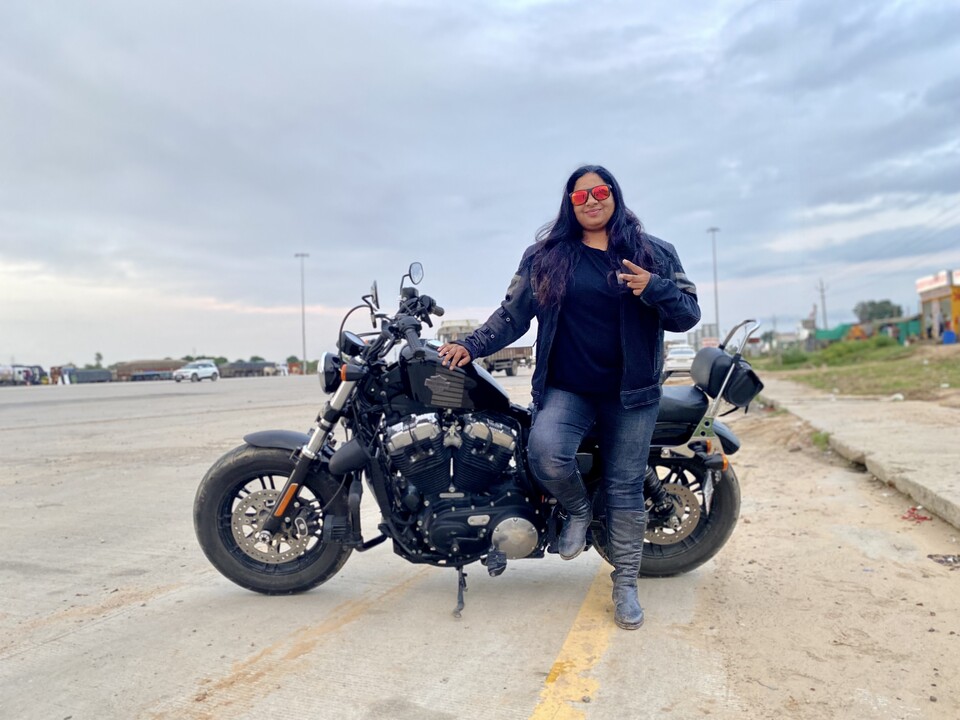
Yet, there has been a growing demand for authenticity, prompting brands to reassess their strategies. Visions of powerful female riders, clad in riding gear while conquering open roads, have begun to emerge—a step towards combating prejudiced tropes. However, this evolving narrative does not always escape scrutiny, especially when campaigns tiptoe the line of sexualization while attempting to portray empowering messages.
3. Cultural Appropriation: The Ripple Effects
Furthermore, the intricate dialogue surrounding cultural appropriation often surfaces within motorcycle advertising. Campaigns may unwittingly appropriate cultural motifs to evoke a sense of ruggedness or to conjure an aura of authenticity that is deemed ‘exotic.’ A motorcycle brand might feature Native American iconography, for example, as a means to invoke a sense of freedom and communal living, yet fails to acknowledge the narratives and histories intertwined with these symbols.
Such practices can evoke ire in the communities whose cultural elements are borrowed. The fine line between homage and exploitation can incite significant backlash, rendering an advertisement not merely contentious, but void of ethical consideration regarding cultural representation.
4. Environmental Responsibility: Riding Towards Redemption
As the world becomes increasingly aware of the ramifications of climate change, the environmental impact of motorcycles also deserves scrutiny. Many advertisements emphasize the visceral freedom of the ride while downplaying emissions and fuel consumption practices. Some brands tout their latest models as eco-friendly marvels without fully addressing the lifecycle of motorcycles—an inconsistency that does not escape the discerning consumer’s eye.
When a campaign overtly glamorizes the liberating nature of riding while enveloped in a shroud of environmental negligence, it risks alienating eco-conscious riders. The philosophical debate shifts towards a moral imperative for brands to genuinely integrate sustainability into both their products and their messaging.
5. The Ethics of Humor: Jesting at the Edge of Decency
While humor can be a masterful tool for engaging audiences, it can also catapult a campaign into controversy. Advertisements that use jesting portrayals of reckless riding or accidents often dance precariously on the edge of decency. The inherent danger of motorcycles is no laughing matter, and campaigns that cavalierly disregard the life-threatening realities may provoke ire among safety advocates.
The infamous “You Only Live Once” tagline frequently adopted in such ads can morph into a dismissive truism, disregarding the fragility of life itself when underestimating the necessary precautions associated with motorcycling. This ethical dichotomy raises critical questions regarding the boundaries of humor within advertising.
6. Consumer Reaction: Voices of the Ignited
Such consumer reactions can push brands to make significant shifts in their advertising strategies, leading to manual rewrites of history in the form of campaigns that reflect an evolving societal standard. The discourse surrounding consumer agency reminds brands that the well is not exclusively controlled by corporations but is also fueled by a populace that demands authenticity, respect, and ethical consideration.
7. The Road Ahead: Navigating a New Paradigm
In conclusion, the crossroads of motorcycle advertising encapsulates a myriad of controversies that ride the tumultuous waves of social norms, ethics, and representation. As brands navigate this intricate landscape, the onus falls on them to balance creativity with a conscientious approach—championing narratives that resonate with the aspirational ethos of motorcycling while steering clear of the pitfalls of insensitivity and exploitation. The unique appeal of the motorcycle lies in its ability to inspire, but it is essential that advertising endeavors mirror this reverberation, driving home the message that the freedom of the road must encompass respect for all its riders.