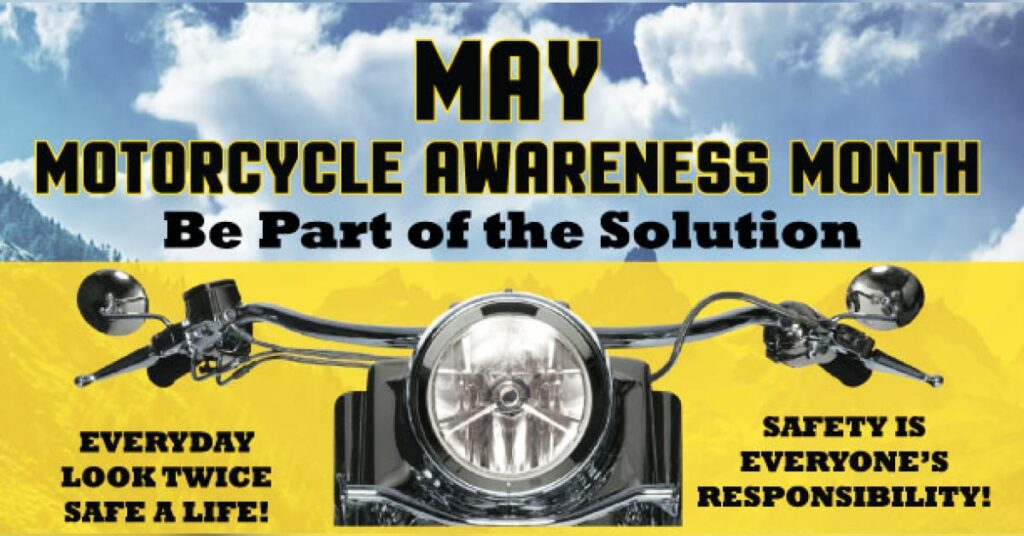
Motorcycle Awareness Month is a pivotal time each year, allowing communities to come together to enhance understanding of motorcycle safety and the importance of visibility on the roadways. With the thrill of riding comes the crucial responsibility to ensure that all road users—from motorcyclists to car drivers—are educated about sharing the road safely. In this detailed exploration, a comprehensive examination of why visibility and education are essential will unfold.
1. Understanding the Statistics
The foundation of Motorcycle Awareness Month rests upon compelling statistics that underscore the necessity of heightened visibility. Motorcyclists are disproportionately affected by road traffic incidents, with a striking number of motorcycle fatalities indicating that riders are significantly more vulnerable compared to their four-wheeled counterparts. Comprehensive studies show that motorcyclists are 28 times more likely to perish in an accident per mile traveled. Recognizing these statistics ignites a sense of urgency among both riders and drivers to advocate for improved awareness.
2. The Role of Visibility
Visibility is a quintessential pillar of motorcycle safety. Motorcycles are smaller and often less noticeable on the road, which necessitates that riders employ various strategies to enhance their visibility. This entails wearing bright, reflective clothing, utilizing comprehensive lighting systems, and employing eye-catching decals on helmets. Additionally, riders can position themselves in a manner that maximizes their visibility in drivers’ rearview mirrors, ensuring they are seen well ahead of time.
3. Educational Initiatives
Education plays a paramount role in promoting highway safety. Awareness Month delivers an opportunity for diverse stakeholders—government agencies, non-profit organizations, and motorcycle clubs—to orchestrate workshops, seminars, and training sessions aimed at both riders and motorists. These initiatives cover essential topics such as safe riding techniques, the significance of defensive driving, and collective road-sharing responsibilities. When education is prioritized, communities foster an environment where empathy towards all road users flourishes.
4. Promoting Rider Education
For motorcyclists, continuous education ensures that they are prepared to respond to various road conditions and hazards. Many experienced riders advocate for enrolling in safety courses that emphasize advanced riding techniques, risk management, and the importance of ongoing skill assessment. In tandem, beginners can benefit from basic motorcycle training, crucial for building confidence and awareness on the road. Engaging in such educational resources not only elevates individual riding proficiency but also contributes to collective road safety.
5. The Impact of Technology
In an age defined by rapid technological advancement, the motorcycle industry has embraced innovations designed to enhance rider visibility and safety. Technologies such as reflective gear, adaptive headlights, and electronic stability control play an instrumental role in reducing the likelihood of accidents. Additionally, smartphone applications that facilitate communication between riders can bolster awareness of road conditions and hazards. Embracing these intelligent solutions is imperative in fostering a culture of safety amidst expanding urban environments.
6. Community Involvement
Community engagement is essential in amplifying the effectiveness of Motorcycle Awareness Month. Local motorcycle clubs often collaborate with law enforcement and community organizations to host events that tantalize interest while educating attendees. These events range from motorcycle safety fairs to ride-alongs that simulate real-world riding. Participation in these activities not only fosters camaraderie among riders but also educates the broader public on the importance of respecting motorcycles on the road.
7. Encouraging Responsible Driving
While the focus is often on motorcyclists, promoting accountability within all driver segments is equally vital. Drivers must be cognizant of their surroundings, particularly during peak riding seasons when motorcyclists are more prevalent. Awareness campaigns can be tailored to remind drivers of the need to check blind spots, signal lane changes, and provide ample space for motorcyclists to maneuver safely. Through mutual respect and understanding, the roads can become a safer place for everyone.
8. The Emotional Connection
Motorcycle Awareness Month transcends mere statistics; it evokes an emotional resonance that underscores the profound connection between riders and their machines. Every story surrounding motorcycle incidents—be it triumph or tragedy—serves as a poignant reminder of the fragility of life on the open road. These narratives can stir discussions that facilitate deeper understanding, encouraging individuals to share their experiences and foster empathy within communities.
9. Legislative Advocacy
As awareness deepens, the opportunity for legislative advocacy emerges. Support for policies that promote motorcycle safety is paramount; this includes raising awareness about helmet laws, safety equipment requirements, and driver education programs. Engaging with lawmakers ensures that the voice of the motorcycle community is heard, potentially influencing future regulations designed to protect both motorcyclists and motorists alike.
10. Continuous Engagement Beyond May
Finally, the sentiments invoked during Motorcycle Awareness Month should extend beyond the confines of May. Continuous dialogue throughout the year is essential in maintaining momentum and reinforcing safety messages. Establishing ongoing partnerships between riders, local businesses, and safety organizations can perpetuate awareness, ensuring that education and visibility remain fundamental components of road safety.
In conclusion, Motorcycle Awareness Month serves as a necessary reminder that improving visibility and education can significantly reduce the risks associated with motorcycling. By fostering a culture of awareness, empathy, and responsible driving, communities can nurture a safer environment for all road users, embracing the joy of motorcycling while prioritizing safety.