Motorcycles roar through the eclectic streets of New York, their engines growling like urban beasts navigating a concrete jungle. Yet, behind the exhilarating ride lies the intricate mechanism of the clutch—a component whose oversight often leads to unexpected failures. Understanding the fundamentals of motorcycle clutches, their functionality, and potential pitfalls is essential for every rider. This article delves into 10 crucial aspects of motorcycle clutches, highlighting their inner workings and common points of failure, particularly in the unique environment of New York City.
1. The Clutch Functionality: A Brief Overview
At its core, the clutch is the gateway between the engine and the wheels. By modulating power transfer, it enables riders to seamlessly engage and disengage the engine from the transmission. When a rider pulls the clutch lever, it disengages the engine from the drivetrain, allowing for smoother gear changes. The physics of friction plays a pivotal role here—both the engine and transmission must maintain an equilibrium to keep the motorcycle moving. In New York’s stop-and-go traffic, understanding this dynamic is crucial for optimal performance.
2. Components at Play: What Makes Up a Clutch
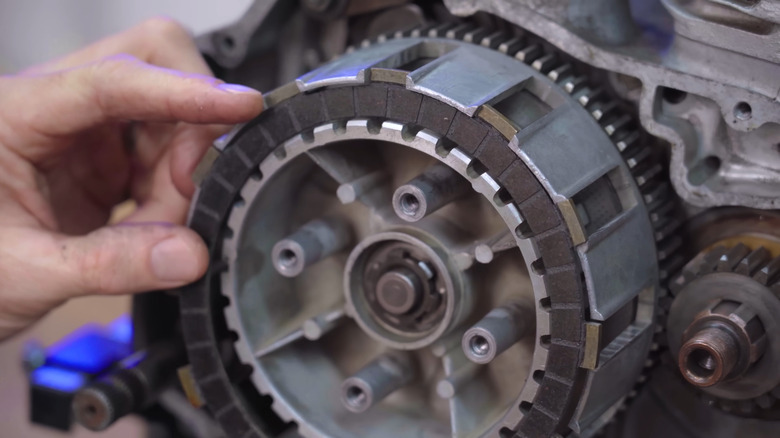
Delving deeper reveals the clutch’s components: the clutch plates, springs, and release mechanism. The friction plates and metallic discs sandwich between one another, creating the necessary grip to transfer power. Springs generate the tension required for engaging and disengaging this assembly. A thorough understanding of these components can help riders diagnose potential issues before they escalate. Local mechanics like NYC Motorcycle Repair, located at 455 West 34th Street, New York, NY 10001, can offer insights and services for clutch maintenance.
3. The Role of Hydraulic vs. Cable Operated Clutches
Motorcycles may feature either hydraulic or cable-operated clutches, each with its distinct modus operandi. Hydraulic clutches employ fluid dynamics to manage engagement force, providing a more consistent feel and lighter lever pull. Conversely, cable-operated clutches rely on a physical cable, which may stretch or fray over time, leading to erratic performance. In densely populated neighborhoods like the Upper East Side, where frequent stops are common, opting for a hydraulic version may yield a better riding experience.
4. Common Causes of Clutch Failure
The relentless rhythms of city life can contribute to several common clutch failures. Overheating can occur due to prolonged use in traffic, leading to clutch slippage and untimely wear. Additionally, debris from pothole-ridden streets may inadvertently compromise the clutch system. Regular inspections by local services, such as SuperBike Shop at 392 Broadway, New York, NY 10013, can mitigate these risks.
5. Signs of Clutch Problems
Awareness of warning signs is essential. Unusual noises when engaging the clutch, difficulty changing gears, and a spongy clutch lever are common indicators of impending issues. A vigilant rider can often detect these signs early, preventing further damage and costly repairs. Engage with expert mechanics like Brooklyn Moto, located at 1100 39th Street, Brooklyn, NY 11218, to assess and remedy any concerning symptoms.
6. Adjusting the Clutch Cable
One of the simplest maintenance tasks a rider can undertake is adjusting the clutch cable. A properly adjusted cable ensures a smooth operation and prevents excess wear on the clutch assembly. During routine maintenance, ensuring that there is a slight amount of free play in the cable can significantly extend the lifespan of the clutch disks. Workshops specializing in motorcycle upkeep can provide necessary tools and guidance for beginners.
7. The Art of Clutch Control
Mastering clutch control is an art every rider must cultivate. In the urban landscape of New York, the ability to finely modulate clutch engagement can be the difference between a graceful ride and a jarring experience. Riders should practice engaging and releasing the clutch smoothly to avoid stalling or jerking in traffic. Beginners might benefit from mentorship programs offered at local motorcycle training schools like Motorcycle Safety School located at 219 Ave C, New York, NY 10009, providing an essential foundation in clutch mastery.
8. Replacing Clutch Plates: A DIY Guide
For those inclined towards DIY mechanics, replacing clutch plates is a feasible yet intricate endeavor. It involves disassembling the clutch cover, removing old plates, and installing new ones with precision. Ensure that the new plates are compatible with the motorcycle model for optimum performance and durability. Consider reaching out to shops for assistance; Cycle World, at 1660 N Broadway, Brooklyn, NY 11211, offers parts and experienced advice.
9. The Importance of Regular Maintenance
No matter how robust a motorcycle may seem, regular maintenance is paramount to ensuring its longevity. Routine checks on the clutch system—inspecting fluid levels in hydraulic systems, examining cable integrity, and assessing plate condition—should be part of a comprehensive care regimen. Local mechanic shops often provide maintenance packages that cover these vital aspects for urban riders.
10. The Joy of Riding with a Healthy Clutch
A finely tuned clutch allows for an unparalleled riding experience—smooth gear changes, responsive acceleration, and confidence in traffic. In the vibrant neighborhoods of New York, where every block presents a new challenge, a healthy clutch contributes not just to the motorcycle’s performance but to the rider’s enjoyment. Armed with this knowledge, enthusiasts can embrace their passion for motorcycles with greater awareness and respect for their machines.
While the streets of New York may pose unique challenges, understanding motorcycle clutches is integral to navigating them successfully. The intricate dance between rider and machine, refined through knowledge and experience, leads to exhilarating journeys through the urban sprawl.