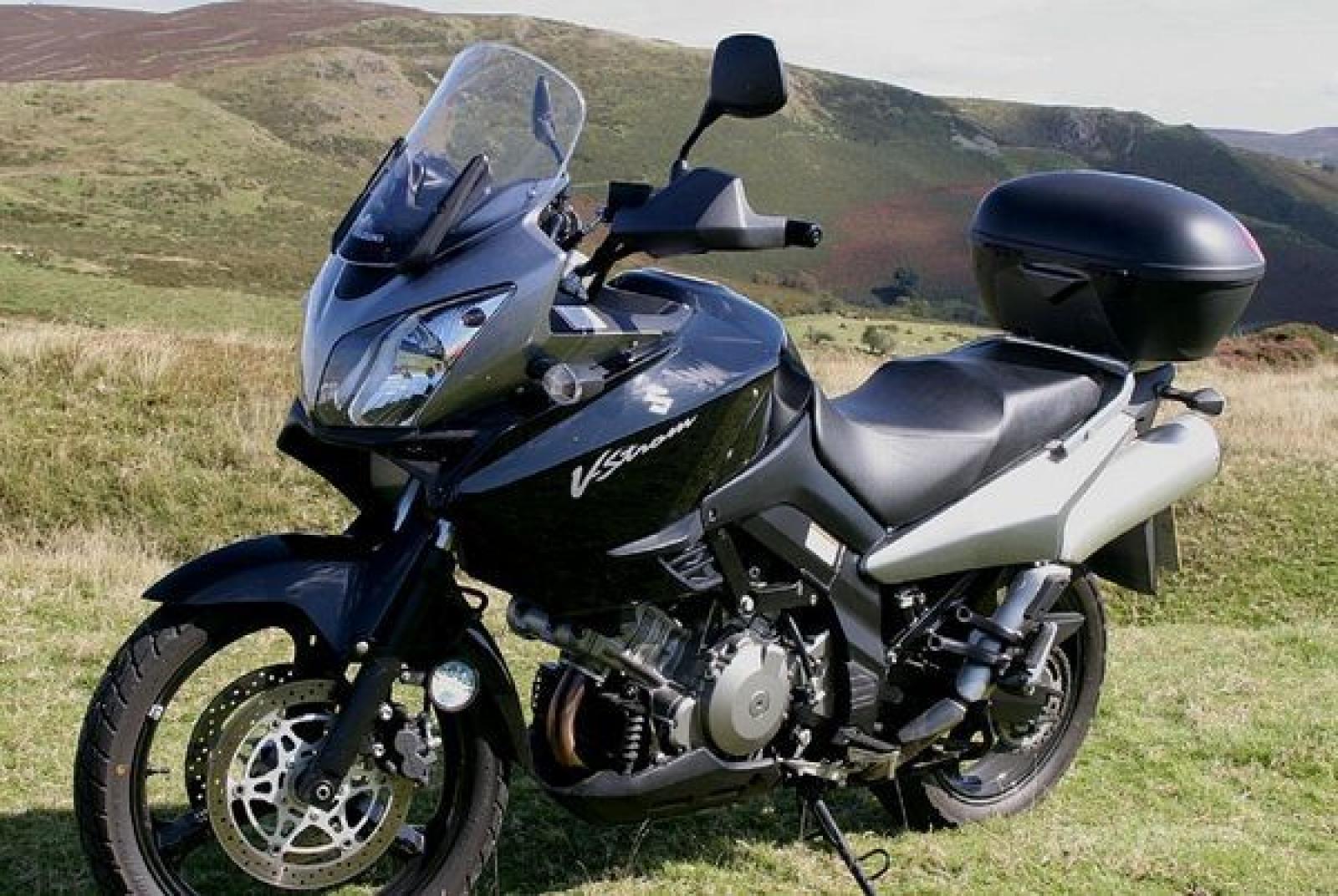
Motorcycles are more than mere machines; they are exquisite manifestations of engineering artistry and human passion. For collectors and enthusiasts alike, capturing the essence of these rare bikes is paramount. With the right photography tips, you can showcase the unique characteristics, intricate details, and the thrilling allure of these powerful machines. The following techniques will elevate your motorcycle photography, enabling you to create a visual narrative that resonates with fellow aficionados.
1. Understand Your Subject
Before even picking up your camera, take time to familiarize yourself with the motorcycle you intend to photograph. Each bike tells a story, from its manufacturer lineage to its distinctive design ethos. Whether it’s a classic Harley-Davidson or a contemporary Ducati, appreciate the nuances, such as the craftsmanship of its chrome accents or the boldness of its ergonomics. This understanding will inform your photographic approach, ensuring that your images capture the bike’s personality.
2. Choose the Ideal Location
The environment surrounding your motorcycle can dramatically influence the overall composition of your photographs. Urban landscapes, tranquil rural backdrops, or the rugged terrain of backcountry roads offer a myriad of choices. Look for locations that complement the motorcycle’s character. A vintage bike might look fantastic against the backdrop of an old brick warehouse, while a sportbike may be best showcased on a modern overpass. Ensure the setting evokes the spirit of the motorcycle, enriching the narrative you intend to convey.
3. Timing is Everything
Lighting can make or break your photographs. The golden hour—the time shortly after sunrise or before sunset—provides soft, diffused light that can accentuate the contours of the bike. Harsh midday sunlight may create unsightly glare and harsh shadows, detracting from the photo’s overall appeal. Experiment with varying times of the day to find the most flattering light. Cloudy days can also yield unique opportunities; the diffuse light can enhance colors and textures, making the bike pop out in the frame.
4. Composition Basics
Acquaint yourself with fundamental composition rules, such as the rule of thirds, leading lines, and framing. Placing the motorcycle off-center by aligning it with intersecting lines can create visual tension and interest. Incorporate leading lines, such as roads or horizons, that draw the viewer’s eye towards the bike. Additionally, consider framing the motorcycle with other elements in the scene. Tree branches or architectural structures can create an engaging visual context, enriching the photograph with layers.
5. Experiment with Angles
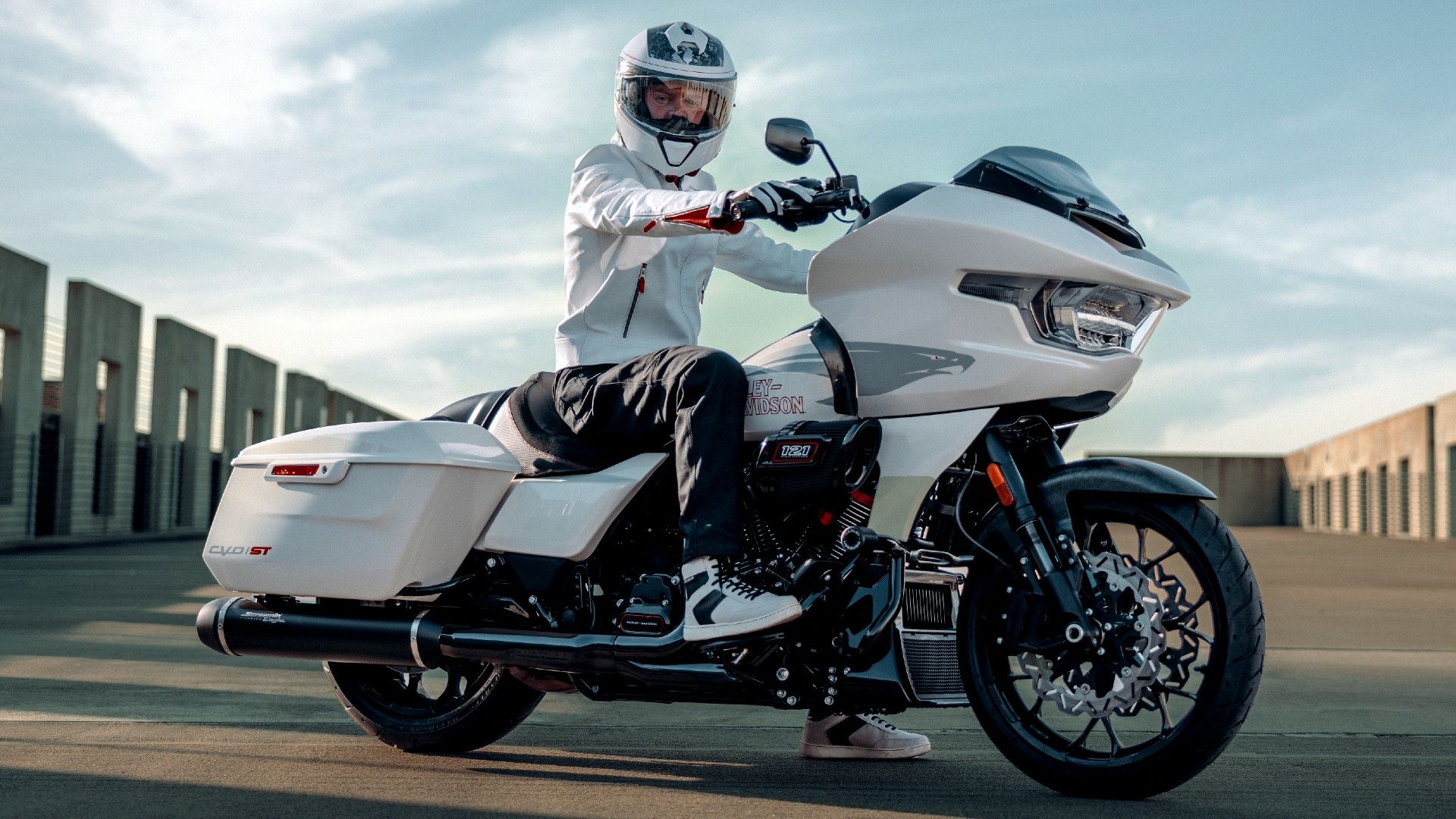
Rather than shooting solely from eye level, explore different angles to create dynamic imagery. Shooting from a lower perspective can impart a sense of power to the bike, while a high-angle shot might provide a comprehensive view. Consider getting close to the bike for detail shots that highlight intricate components such as the throttle, gauge cluster, or tire tread. Each angle conveys a different emotion and can elicit various responses from the viewer, enhancing their connection to the motorcycle.
6. Focus on Details
Every motorcycle is replete with details that reflect its identity. Use macro photography techniques to capture the subtle textures and finishes on the bike. Close-ups of the engine, gears, or unique badges can tell a story that broader shots can’t convey. Pay attention to reflections in the chrome, which can actually enhance a photograph. Such details will not only showcase the motorcycle’s craftsmanship but also provide a more intimate look at the bike’s personality.
7. Incorporate Movement
To capture the exhilarating essence of motorcycles, consider including movement in your photography. Panning techniques can create an effect of speed, illustrating the bike in action while blurring the background. This juxtaposition between a crisp motorcycle and a dreamy backdrop conveys a thrilling narrative, accentuating the bike’s performance capabilities. Make sure to practice your panning skills to create a seamless blend of speed and clarity.
8. Include Human Elements
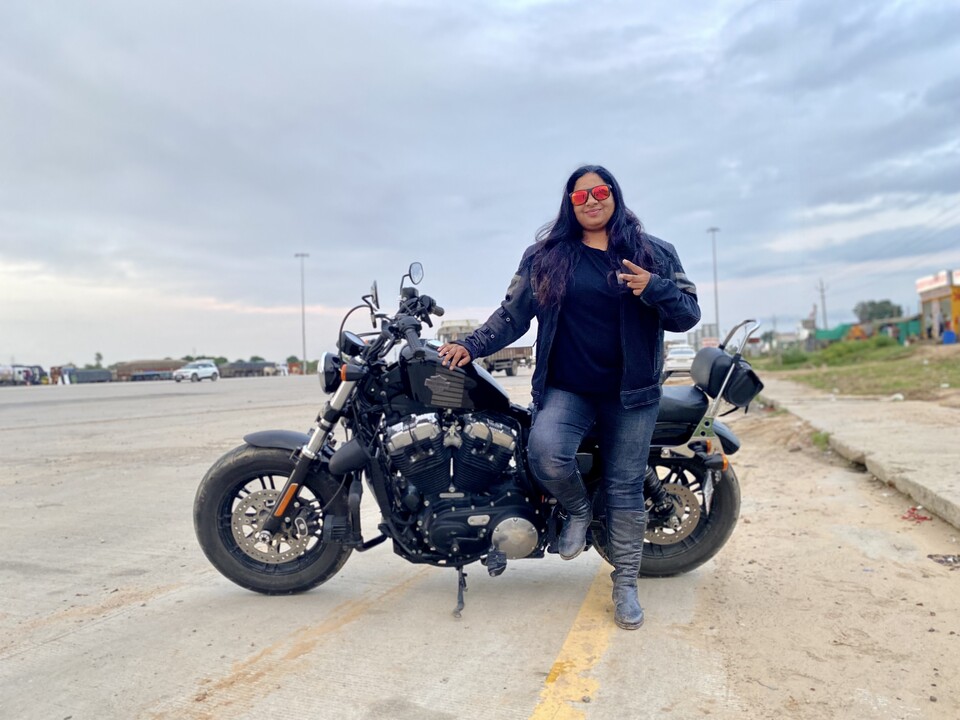
Humans add an essential layer to motorcycle photography. Featuring a rider or someone interacting with the bike can invoke emotion and provide context. It humanizes the subject, bridging the gap between the observer and the machine. Capture candid moments—like a rider preparing to embark on a journey— to convey deeper narratives. Such compositions create a relatable ambiance, inviting onlookers to envision themselves in the scene.
9. Post-Processing Techniques
Once you’ve captured stunning images, the work isn’t over. Post-processing can enhance your photos significantly. Utilize software like Adobe Lightroom or Photoshop to adjust exposure, contrast, and saturation. Consider converting images to black and white to emphasize shapes and shadows, or apply a subtle vignette to draw focus on the motorcycle. Thoughtful editing can amplify the mood of your images, ultimately resulting in a polished presentation.
10. Share Your Work Wisely
Your final masterpiece deserves to be showcased correctly. Utilize social media platforms, forums, or websites dedicated to motorcycle enthusiasts. When sharing, consider writing accompanying text that explains the bike’s history, unique features, or your personal connection to it. Engaging with fellow enthusiasts can generate valuable feedback and help cultivate a community that appreciates the artistry of motorcycle photography.
In conclusion, motorcycle collection photography is an art form that goes beyond simply clicking a camera shutter. With an astute understanding of your subject, meticulous attention to detail, and creative application of techniques, you can create a breathtaking anthology that showcases rare bikes in their full glory. Embrace each step of the process, and your photography will not only reflect the beauty of the machines but also the passion that drives their existence.