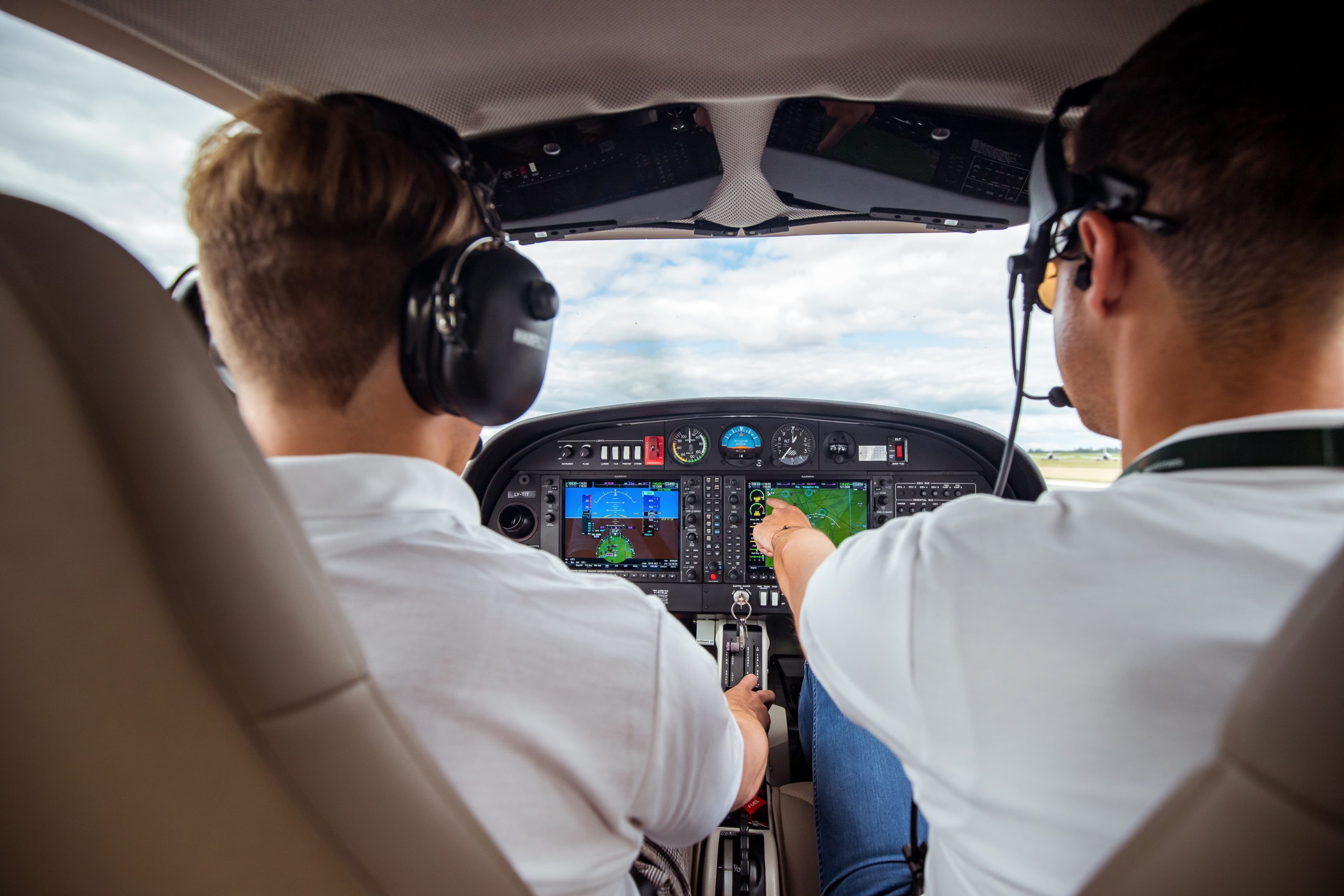
In the vast realm of high-octane passions, the relationship between a rider and their motorcycle can be compared to the bond between a pilot and an aircraft. Just as flight schools cultivate precision, skill, and confidence in aspiring aviators, motorcycle control clinics emerge as sanctuaries for motorcyclists seeking to elevate their ride to aerial-like grace. This article explores the compelling reasons why the flight-school approach resonates profoundly with motorcycle training, delving into the nuances that make it an effective methodology.
One of the foundational principles of flight training is grounded in the concept of situational awareness. When soaring through the sky, pilots are acutely aware of every shift in the atmosphere, their flight path, and even fellow aviators. Similarly, motorcycle control clinics prioritize fostering a heightened awareness of the road, the rider’s own limits, and the motorcycle’s behaviors. Riders learn to expect the unexpected, honing instincts that can only be developed through rigorous training and repetition.
Central to the ethos of effective training is the significance of muscle memory, a term often associated with both flying and motorcycling. In flight schools, prospective pilots practice their maneuvers repeatedly until their bodies instinctively respond to the controls. This principle applies seamlessly to motorcycle control clinics, where riders engage in psycho-motor exercises that embed clutch control, throttle modulation, and braking techniques deep within their muscle memory. As riders grapple with these foundational skills on a well-maintained practice range, they cultivate a seamless connection between mind and machine.
Much like a pilot executing a pre-flight checklist, motorcycle clinics stress the importance of rigorous preparation before embarking on any journey. Riders learn to conduct thorough inspections of their machines—checking tire pressure, oil levels, and brake functions—to ensure that their motorcycles are primed for performance. This preemptive approach not only engenders a sense of responsibility but also cultivates an intrinsic awareness that echoes the diligence of seasoned aviators. The mantra of “safety first” resonates throughout every corner of the clinic, intrinsically linking the rider’s well-being to the meticulousness of their preparations.
Flight simulators are an indispensable tool in pilot training, allowing cadets to experience complex flight scenarios without real-world risk. Motorcycle control clinics, while not reliant on technology in quite the same manner, utilize similar principles through controlled riding environments. In these setups, riders can mimic various road conditions and emergency situations—be it dirt roads, gravel, or sudden obstacle avoidance—without the intrinsic dangers of street riding. Participants immerse themselves in these simulated environments, where they learn to respond effectively, turning potentially perilous encounters into manageable experiences.
The psychological aspect of flight training also bears a striking resemblance to the mindset cultivated in motorcycle control clinics. Just as pilots must navigate the turbulence of unforeseen challenges, riders are taught to confront fears and uncertainties head-on. Instructors encourage participants to embrace discomfort, pushing them to step outside their comfort zones and face daunting tasks, such as executing sharp turns or emergency braking. This aspect of emotional resilience becomes invaluable, as it endows riders with the fortitude needed to negotiate real-world situations with poise and confidence.
Another pivotal element that aligns motorcycle control clinics with flight training is the emphasis on teamwork and communication. In aviation, success is often predicated on seamless collaboration between pilots and their support crew. Similarly, motorcycle control clinics facilitate group riding exercises where participants learn to navigate in formation, develop their spatial awareness, and communicate effectively with each other. This camaraderie and mutual learning foster a collective sense of responsibility for one another’s safety—an ethos that stands in stark contrast to the solitary nature often associated with motorcycling.
Just as weather conditions can dramatically alter a flight’s trajectory, external factors play a significant role in motorcycling. Clinics delve into the complexities of environmental considerations—influence of weather, road surfaces, and visibility—equipping riders with the tools to assess and adapt their riding strategies accordingly. Attendees are taught that adaptability is not merely an asset but a necessity, transforming their decision-making process into an agile art form. This education in adaptive riding is vital not only for survival but also for enhancing the overall ride experience.
Underpinning the entire framework of motorcycle control clinics is the philosophy of continuous improvement. Flight training is a lifelong endeavor, with professional pilots constantly striving to enhance their skills. This principle transcends into the motorcycle sphere. Clinics instill a mindset of perpetual progression, urging riders to remain open to learning and reevaluating their techniques. The mantra, “Every ride is a lesson,” resonates deeply, encouraging motorcyclists to embrace their journey as one of artistic evolution—intertwining knowledge with practice for an ever-enriching experience.
In conclusion, motorcycle control clinics infused with flight-school-style training are not merely about mastering the mechanics of riding; they are a rational approach to nurturing the holistic rider. By fostering situational awareness, muscle memory, stringent safety protocols, emotional resilience, teamwork, adaptability, and a commitment to continual learning, these clinics provide a comprehensive framework that enables motorcyclists to transcend the typical experience of riding. Each session becomes a transformative journey, akin to pilots honing their wings amidst the boundless sky—both exhilarating and empowering. As riders leave the clinic, they carry not just skills but a newly honed spirit ready to tackle the open road with the grace of an accomplished aviator navigating the cerulean expanse above.