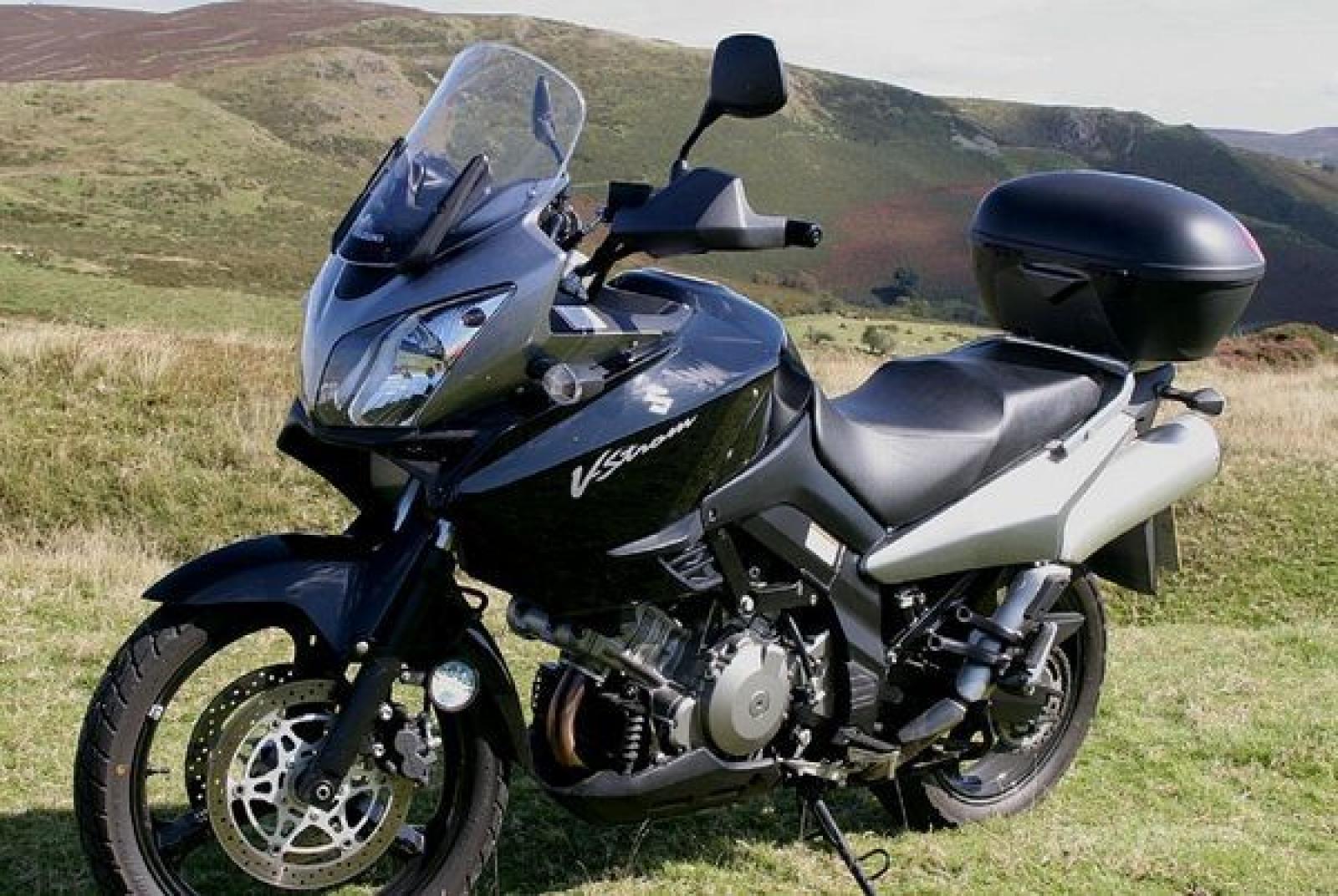
Motorcycle culture in New York is as diverse as the neighborhoods that punctuate its landscape. The sheer volume of riders, the eclectic styles of motorcycles, and the myriad of streets they traverse raise essential discussions about safety, accidents, and legislative measures. Here are ten crucial data points that illuminate the intricate relationship between motorcycling and safety within New York City neighborhoods.
1. Motorcycle Registrations
As of the latest statistics, there are over 60,000 registered motorcycles in New York City. From the urban chic of Brooklyn to the historical grandeur of Manhattan, each borough showcases unique rider demographics. A significant concentration of motorcycle enthusiasts is noted around Brooklyn, NY 11211, which combines an artistic vibe with a burgeoning biking community. There is a palpable energy among riders as they navigate the city’s streets, making connections that often transcend the motorcycle culture itself.
2. Common Accident Hotspots
Noteworthy accident data reveals that certain neighborhoods experience higher rates of motorcycle incidents. Areas such as Queens, NY 11368, and The Bronx, NY 10463 have been highlighted for particularly perilous intersections. These locations often feature complicated traffic patterns and pedestrians who may not expect motorcycles. The blend of high-speed avenues and tight residential streets adds to the unpredictability faced by riders in these domains.
3. Weather-Related Incidents
Motorcyclists face unique challenges due to New York’s variable weather conditions. Rain, snow, and ice can drastically increase accident likelihood. Data indicates that late spring, particularly April and May, sees a spike in incidents attributed to slick roads. In neighborhoods like Staten Island, NY 10301, where winding roads can accumulate debris from seasonal weather, riders must exercise heightened caution as they navigate the terrain.
4. Importance of Protective Gear
Statistical analysis emphasizes that helmet use results in significantly reduced mortality rates among motorcyclists. In New York, where helmet laws are strictly enforced, the correlation between wearing protective gear and survival in accidents is stark. Local motorcycle safety courses, often available through dealerships like Star Motorcycles in Long Island City, NY 11101, promote a culture of safety and responsibility among riders, reinforcing this critical statistic.
5. Impact of Motorcycle Safety Courses
Enrollment in motorcycle safety courses has surged over the past decade. Programs such as the New York State Motorcycle Safety Program based out of Buffalo, NY 14202 boast completion rates of upward of 90%. These courses equip riders with essential skills to handle the unique challenges posed by city riding, resulting in a reported 27% decrease in accident rates among graduates.
6. Demographics of Motorcycle Riders
The motorcycle rider demographic in New York is increasingly varied. Traditionally associated with young men, statistics reveal a rising number of female riders, particularly in urban areas like Harlem, NY 10026. This shift may reflect broader trends in empowerment and the embrace of mobility freedom, alongside a movement away from conventional automotive transport. Classes and meetups in these neighborhoods help foster an inclusive environment for all motorcycle enthusiasts.
7. Age and Experience Factors
A fascinating correlation exists between rider age and accident rates. Data shows that younger, less experienced riders, particularly those under 25, are at a higher risk of accidents than their older counterparts. The statistics underline the importance of experience. The prevalence of motorcycle clubs in regions such as Manhattan, NY 10010 contributes to mentorship, providing guidance to novice riders and diminishing the risk associated with inexperience.
8. The Role of Traffic Violations
Traffic violations remain a significant contributing factor to motorcycle accidents. Speeding and reckless driving are common culprits, especially in frenetic areas like Times Square, NY 10036. Riders must remain vigilant against both their own tendencies and the actions of surrounding motorists. Strict adherence to traffic laws together with the implementation of educational campaigns could mitigate these risks considerably.
9. Community and Events
Community events, such as motorcycle festivals and meetups, play a crucial role in fostering a culture of safety and camaraderie among riders. For example, the annual New York Motorcycle Festival held at Union Square Park, NY 10003 gathers enthusiasts for not only celebration but education about safety protocols. These gatherings allow riders to share experiences and strategies for navigating the complexities of city riding.
10. Future Safety Initiatives
Looking forward, local authorities and motorcycle advocacy groups are working to initiate more safety campaigns targeted at urban motorcycling. Proposed measures aim to increase awareness of the unique dangers associated with city riding. In neighborhoods like East Harlem, NY 10029, pilot programs focused on improving road infrastructures, such as dedicated motorcycle lanes, are gaining traction. These initiatives signal a growing recognition of the motorcycle community’s contribution to urban transportation and a commitment to enhancing rider safety.
In conclusion, motorcycle data intertwined with safety narratives paints a vivid picture of the riding experience across New York City. Each statistic not only reflects numbers but also establishes the essence of community, culture, and the unwavering pursuit of enhanced safety on the bustling streets. The numbers speak to the heart of New York’s motorcycle landscape, where riders navigate an intricate dance of excitement and vigilance.