Motorcycles embody freedom, adventure, and a profound connection with the open road. At the core of this exhilarating experience lies the drive system, critical for power transmission and performance. Three primary types dominate this realm: chain, belt, and shaft drives. Each of these systems can be likened to distinct instruments in a symphony – each producing a unique sound that resonates with its own set of enthusiasts. In this exploration, we will delve deep into the intricacies of these drive systems, unveiling their distinct characteristics and enchanting allure.
1. The Chain Drive: The Spirited Performer
The chain drive is the lively virtuoso of the motorcycle world. Picture a well-oiled machine, where precision meets unyielding strength. Designed for performance, the chain drive boasts a simple structure. A series of links connected by pins transfers power from the engine to the rear wheel, resulting in efficient acceleration and exceptional responsiveness.
One of the most appealing attributes of chain drives is their adaptability. Enthusiasts relish the ability to fine-tune their motorcycles, altering sprocket sizes to influence torque and top speed. This flexibility transforms performance to suit individual riding styles, akin to a musician adjusting their tempo or key to craft a unique melody.
However, this harmonious relationship requires diligence. Regular maintenance is imperative; neglect can lead to accelerated wear and potentially catastrophic failure. With periodic lubrication and tension adjustments, the chain drive remains a reliable companion on winding roads and racetracks alike.
When it comes to cost, the chain drive is also the most economical option, making it a go-to for sportbike aficionados and cruisers alike. The exhilarating connection to the asphalt and the roar of the engine may well be considered music to the ears of those who thrill in the chase.
2. The Belt Drive: The Smooth Operator
Meanwhile, the belt drive pulls up in a silky smooth manner, reminiscent of a seasoned jazz musician gliding through harmonies. With a cogged rubber belt and pulleys, the belt drive system is often praised for its understated elegance and remarkable durability.
One of the standout features of belt drives is their quiet operation. Unlike chain systems, belts emit minimal noise, allowing riders to savor the acoustic nuances of their surroundings. This characteristic resonates perfectly with touring motorcycles, where comfort and serenity are the watchwords.
Moreover, a belt drive requires less ongoing maintenance than its chain counterpart. Its inherent resilience against wear and tear means fewer adjustments and replacements. It’s like a reliable bandmate who consistently shows up in tune, enriching the overall experience without demanding much in return.
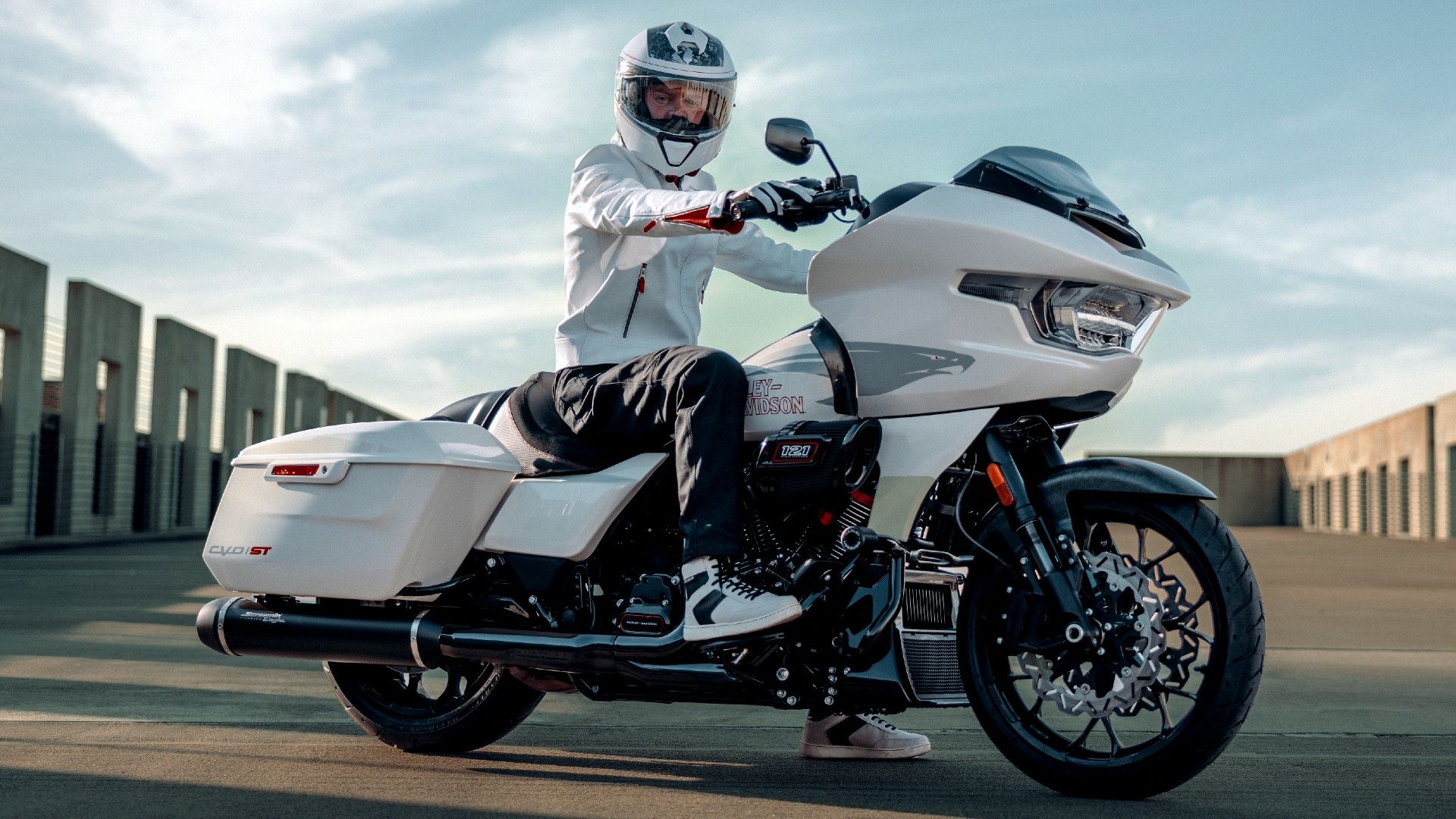
However, while the belt drive excels in maintenance and comfort, it does have its limitations. Torque transmission often lags behind that of chain drives, making it less suited for high-performance applications. Riders seeking adrenaline-pumping feats may find this system a tad too tame for their aspirations. Nevertheless, the belt drive remains a fashionable choice, often gracing cruiser motorcycles and some touring models, where its smoothness is cherished as a key selling point.
3. The Shaft Drive: The Powerhouse
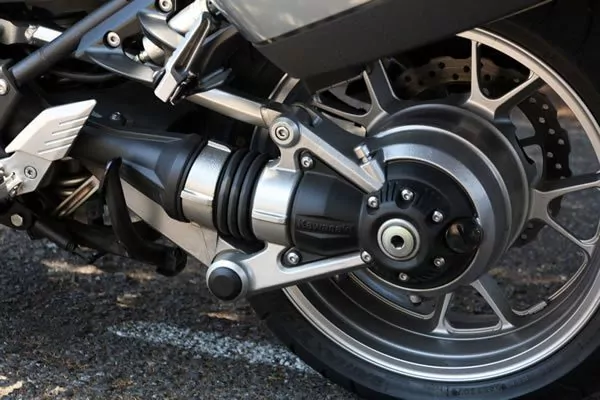
Lastly, we encounter the shaft drive, the indomitable powerhouse of the motorcycle domain. Imagine bullocks steadily plowing a field; this system, comprising gears and a drive shaft, stands as a testament to relentless power delivery and durability. Known for its robust construction, the shaft drive is engineered for longevity, serving riders who crave a no-nonsense, reliable experience.
One of the distinguishing aspects of the shaft drive is its low maintenance needs. Enclosed within a protective casing, it offers a level of resilience against the elements and mechanical wear that other systems can seldom match. This characteristic appeals to long-distance riders, who prefer a steadfast companion for their journeys across vast landscapes.
However, the shaft drive isn’t without its trade-offs. It tends to be heavier and can add to the motorcycle’s overall weight, demanding a more measured approach to handling and performance. The seamless power delivery, while impressive, may lack the spirited engagement that some thrill-seekers crave. Nevertheless, for those who value reliability and stability over raw speed, the shaft drive’s robust nature becomes an endearing quality.
4. The Verdict: Choosing Your Musical Instrument
In the symphony of motorcycle mechanics, each drive system has its rightful place, resonating with different audiences. The chain drive, with its dynamic responsiveness, is perfect for those who revel in the performance and agility of sportbikes. The belt drive appeals to those who prioritize smoothness and comfort, making it the darling of cruisers and touring enthusiasts. Meanwhile, the shaft drive stands firm as the stalwart choice for riders seeking durability and a steadfast partner for long journeys.
Your choice may ultimately depend on your riding style, personal preferences, and the type of adventures that call to you. Each system, with its unique strengths and idiosyncrasies, offers an enthralling facet of motorcycling that can elevate the experience into something transcendent. In understanding these drive systems, you’ll not only enhance your knowledge but become better equipped to choose the motorcycle that best composes your personal symphony. Let the journey begin!