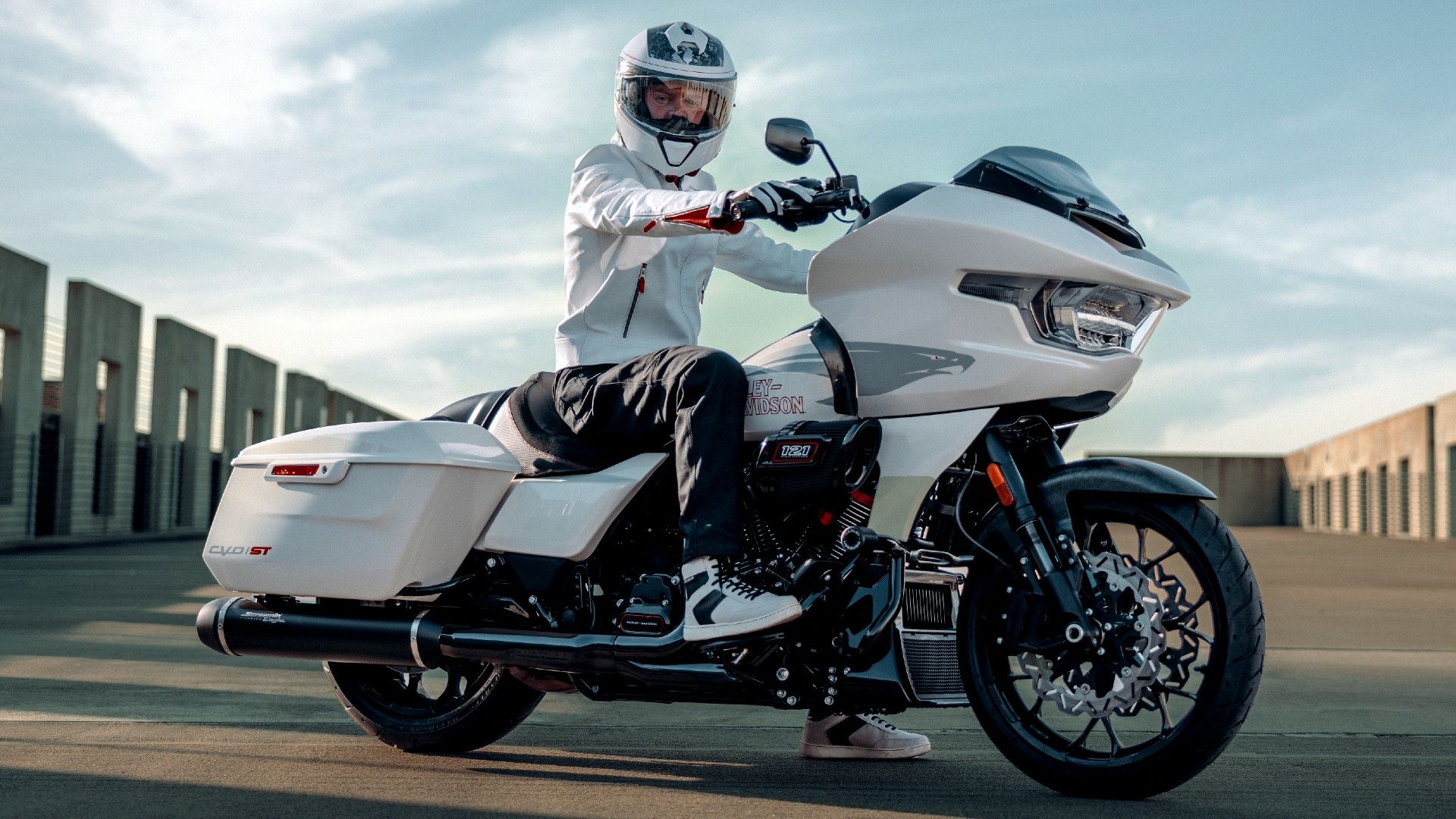
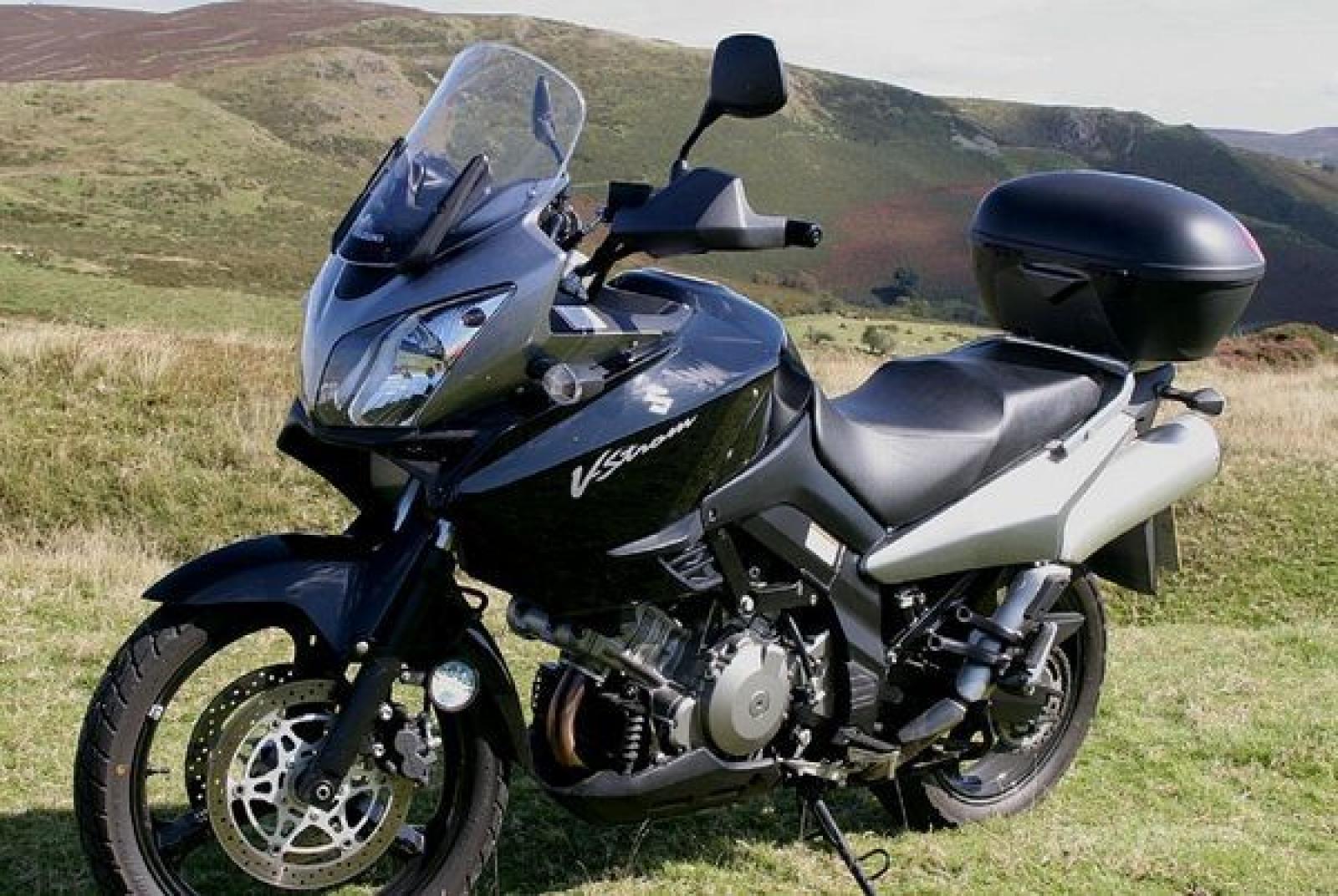
The visual of a sleek, black motorcycle cutting through the neon-soaked streets of a modern metropolis has become one of the most powerful “Narrative” shorthands in Chinese dramas (C-dramas). While historical epics rely on galloping steeds to signify urgency, modern storytelling has traded the horse for horsepower. In the landscape of 2026, the motorcycle in Chinese dramas has moved beyond a mere mode of transport; it has become a central character in its own right—a symbol of individual freedom, technical mastery, and the quiet defiance of social expectations.
From high-stakes crime thrillers to heart-fluttering “Girl Boss” romances, the motorcycle is the pulse of the scene, driving the plot forward with a mixture of speed, style, and a touch of rebellion.
The Evolution of the “Bad Boy” and “Cool Girl” Tropes
Historically, a motorcycle in a script was an instant signal for a “Bad Boy” character—someone who lived on the fringes of the law or societal norms. However, as C-dramas have matured into 2026, this trope has been cleverly subverted. The “latest info” on character archetypes shows a rise in the “Tech-Savvy Rebel.”
Characters like those portrayed by Wang Yibo, a real-life professional motorcycle racer, have brought an informative level of authenticity to the screen. In dramas like Gank Your Heart or the grittier Being a Hero, the motorcycle isn’t just for show; it is an extension of the character’s discipline and skill.
Moreover, the “Cool Girl” archetype has seen a massive surge. In many modern 2026 workplace dramas, the female lead isn’t waiting for a “Male God” to pick her up in a luxury sedan. Instead, she is the one arriving on a high-performance sportbike, using the machine as a descriptive tool for her independence and “Girl Boss” status. This shift reflects a broader social trend where riding is seen as an act of autonomy and personal expression.
Speed: The Heartbeat of Suspense
In the world of C-drama suspense, the motorcycle is the ultimate tool for the strategist. Its ability to navigate narrow, ancient alleys (hutongs) and weave through the gridlock of modern traffic makes it the MVP of any high-stakes chase.
A descriptive chase scene involving a motorcycle creates a unique sense of vulnerability. Unlike a car, which insulates the driver, a motorcycle exposes the rider to the wind, the noise, and the risk. This physical presence heightens the stakes for the audience. Whether it is a detective racing against time to prevent a crime or a delivery rider navigating the underworld, the speed of the bike is the heartbeat of the narrative, keeping the viewer on the edge of their seat.
Style: The Aesthetic of Modern China
Beyond the adrenaline, there is a profound “Informative” aesthetic at play. Chinese dramas have become a masterclass in showcasing “Motorcycle Chic.” The 2026 trend focuses heavily on the “Neo-Retro” look—think vintage cafe racers paired with modern leather jackets and high-tech helmets.
Production houses are increasingly partnering with domestic flagship brands like CFMoto and QJMotor, which are featured prominently as symbols of China’s own technological uprising. The sleek lines of a CFMoto 450SR under the lights of a Shanghai skyline provide a visual shorthand for a China that is fast, modern, and stylish. This “Gear-Head” culture has spilled over into social media, where fans meticulously track the specific bike models and gear used by their favorite actors, driving a massive increase in the motorcycle-related “Green Content” economy.
Rebellion: Finding Freedom in the Wind
At its core, the motorcycle in C-dramas represents a rebellion against the “996” work culture (working 9 AM to 9 PM, six days a week). For many characters—and the viewers who identify with them—the act of riding is a “pressure release point.” It is a deliberate separation from routine and control.
In “healing” or “slice-of-life” dramas, the narrative often focuses on a character leaving the suffocating pressures of the city for a cross-country ride. The descriptive beauty of the scenery—from the grasslands of Altay to the mountain passes of Yunnan—coupled with the roar of the engine, serves as a powerful metaphor for reclaiming one’s life. The motorcycle is the vehicle for this transformation, proving that sometimes, the only way to find yourself is to get lost on two wheels.
Summary of Motorcycle Symbolism in 2026
| Element | Narrative Function | Aesthetic Result |
| Speed | Drives suspense and tactical escapes. | Tense, high-stakes cinematography. |
| Style | Defines character “Coolness” and status. | Neo-Retro and “Tech-Forward” visuals. |
| Rebellion | Symbolizes a break from social pressure. | “Healing” and atmospheric storytelling. |
| Authenticity | Features real-life racing skills and brands. | Informative “Gear-Head” engagement. |
Conclusion
The motorcycle in Chinese dramas is a perfect intersection of speed, style, and rebellion. It captures the spirit of a generation that values autonomy, technical skill, and the thrill of the open road. As we continue to see these machines featured in the top-rated series of 2026, they remind us that the journey is just as important as the destination. Whether it’s a high-speed chase for justice or a quiet ride into the sunset, the motorcycle ensures that the story—and the characters—never stay stationary for long.