As we rev up our engines and set course into the future, an intriguing question surfaces: is the motorcycle industry transforming into a niche market? The landscape of riding is evolving rapidly, shaped by economic shifts, demographic changes, and cultural trends. In this exploration, we will delve into the current trajectory of motorcycles, examining factors that may indicate whether riding is becoming increasingly marginalized or if it is poised for a resurgence.
1. Demographic Shifts: Who Is Riding?
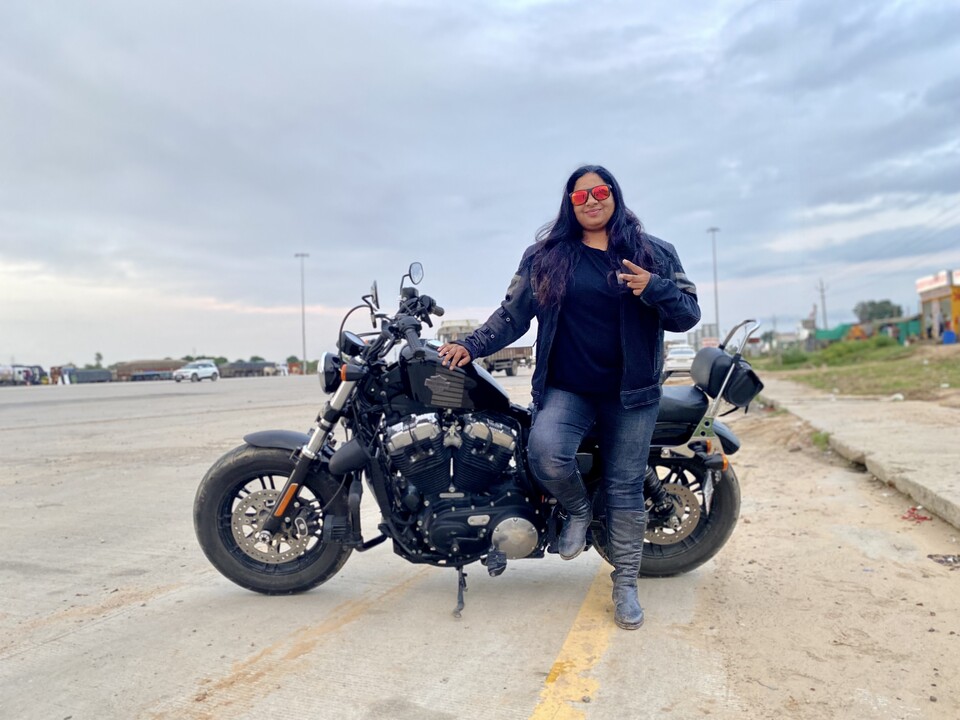
The motorcycle demographic is undergoing a profound transformation. Traditionally dominated by middle-aged men, the riding population is gradually diversifying. A noticeable uptick in female riders, millennials, and even Gen Z enthusiasts is reshaping the customer base. According to industry reports, women now make up about 19% of motorcycle owners, up from just 10% a decade ago. This aforementioned shift poses a compelling question: are manufacturers adapting to meet the specific needs and desires of these emerging demographics?
Furthermore, urbanization is increasingly prominent with younger generations gravitating toward cities, steering clear of suburban sprawls. Urban dwellers favor smaller, more efficient vehicles, leading to a surge in interest for scooters and electric motorcycles. In this way, a paradox emerges; while riding may seem niche among certain demographics, it is rapidly transforming to accommodate the needs of a new cohort of riders.
2. The Rise of Electric Motorcycles
In recent years, the electric motorcycle market has gained traction at an astounding pace, and its implications are far-reaching. The technological advancements in electric powertrains and batteries are captivating new consumers who may have previously shunned traditional combustion engines. With environmental concerns at the forefront of global discourse, electric motorcycles pose a unique opportunity to entice eco-conscious riders.
Yet, while the rise of electric models presents exciting prospects, it also challenges the entrenched motorcycle culture that often romanticizes the roar of a powerful engine. This shift toward quieter, less visceral rides makes one wonder: will the allure and excitement of motorcycle riding diminish as we pivot toward sustainability? Or, can the market harmoniously blend the old with the new, preserving the passion and thrill while embracing innovation?
3. Economic Factors: Valuation and Accessibility
The overall health of the motorcycle industry is closely tied to economic conditions. Recessions and economic downturns have historically led to diminished sales as discretionary spending tightens. The recent global pandemic exacerbated these challenges, throwing the motorcycle market into turmoil. As consumers recalibrate their financial priorities, will motorcycles be relegated to a luxury item, making riding ever more exclusive?
On the flip side, there’s hope amid uncertainty. The hobbyist market remains robust, with many turning to motorcycles as a form of affordable recreation. Used bike sales surged during the pandemic, showcasing that with creativity, riding can still be accessible. The crux lies in how manufacturers can make riding more appealing without alienating budgets. Can they find that sweet spot between luxury and affordability?
4. An Evolving Culture: Social Media and Community Engagement
The role of social media cannot be overstated in modern motorcycle culture. Platforms like Instagram, TikTok, and YouTube have created virtual communities that highlight motorcycle adventures, modifications, and experiences. Such platforms have democratized access to riding culture, sparking interest and participation among individuals who might otherwise feel excluded from the tradition-bound motorcycle community.
However, this democratization raises the coalescing question: does the online spectacle overshadow the authentic, raw experience of riding? As the industry navigates the balance between community engagement and substance, authentic connections might argue for a return to in-person gatherings such as rallies and bike nights, fostering connections that transcend the digital realm.
5. Customization and Personalization: The New Normal
Customization has become an inseparable part of the motorcycle experience, with riders investing substantial time, energy, and money into creating a machine that reflects their individuality. This movement has spawned a rich ecosystem of aftermarket parts and customization services. However, as the market corners become more specific, one must consider: does this evolution towards personalization amplify a sense of belonging, or does it inadvertently isolate riders into distinct subgenres within the motorcycle community?
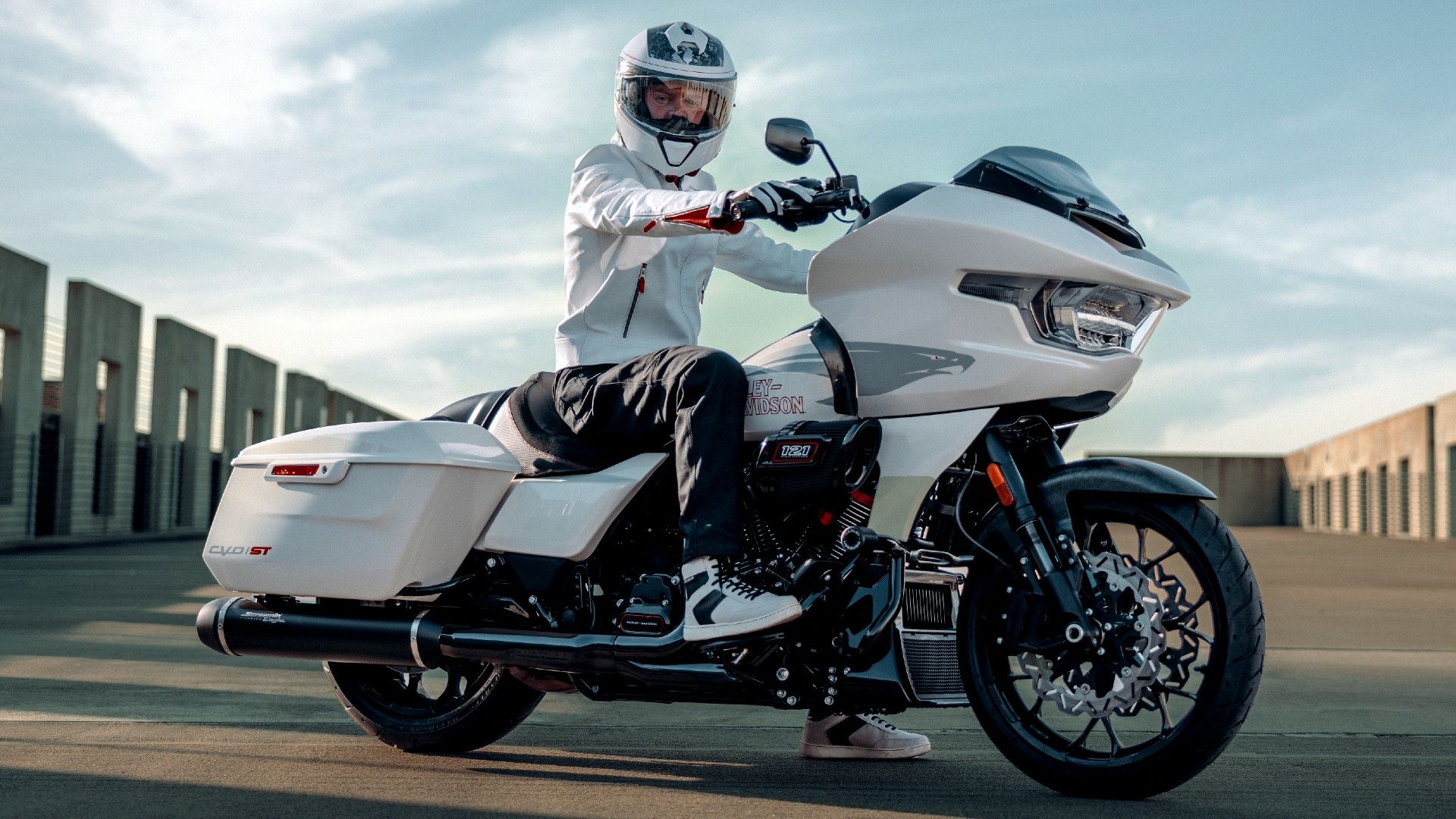
The rise of brands like Harley-Davidson, which promotes factory customization options, signals a shift towards embracing the unique tastes of individual riders. Yet this focus on customization may bifurcate the community, as enthusiasts may gravitate toward their specific niches. This leads one to ponder if motorcycle culture is growing too diverse, potentially diluting the collective experience of riding.
6. Final Thoughts: A Challenge Ahead
As we steer into the future, the motorcycle industry faces a pivotal question: is riding truly becoming more niche, or is it evolving to encompass broader experiences and communities? The delicate dance between tradition and innovation will continue to shape the industry in the years ahead. Balancing the passion of motorcycle culture with the realities of modern riding will remain a central challenge. While the path ahead is fraught with obstacles, the indomitable spirit of motorcycling—as a means of transportation, recreation, and community—may very well survive and thrive, inviting both veterans and newcomers to participate in this exhilarating journey.