Embarking on a motorcycle road trip through Bolivia promises an exhilarating mix of rugged terrain, vibrant culture, and breathtaking high-altitude landscapes. The sheer diversity of the Bolivian topography provides both challenges and rewards, appealing to adventurous spirits seeking an unforgettable journey. This guide will delve into the multifaceted experiences that await you on this thrilling expedition, highlighting key routes, necessary preparations, cultural encounters, and the majesty of the Bolivian wilderness.
1. Iconic Routes to Explore
Bolivia boasts several iconic routes that encapsulate its knack for natural splendor and vibrant culture. Notable among these is the infamous Death Road, officially known as the North Yungas Road. Renowned for its steep drop-offs and narrow pathways, this route is a testament to nature’s raw power. Cyclists and motorcyclists alike have found adventure on this treacherous stretch, though caution is paramount.
Another exhilarating choice is the Laguna Colorada route, leading you through the breathtaking Altiplano region. The road winds around rich red lagoons, dotted with flamingos, all under the watchful gaze of the Andes. Each twist and turn provides an ever-changing panorama, beckoning riders to stop and absorb the otherworldly scenery.
If you crave a more remote experience, consider the Ruta de la Muerte, veering off the beaten path, threading through sparsely inhabited regions and ancient landscapes. This route showcases distinctive rock formations and lonesome valleys that provide a stark contrast to the high altitude, making it an enticing choice for those looking to explore Bolivia away from the tourist clamor.
2. Preparation and Gear
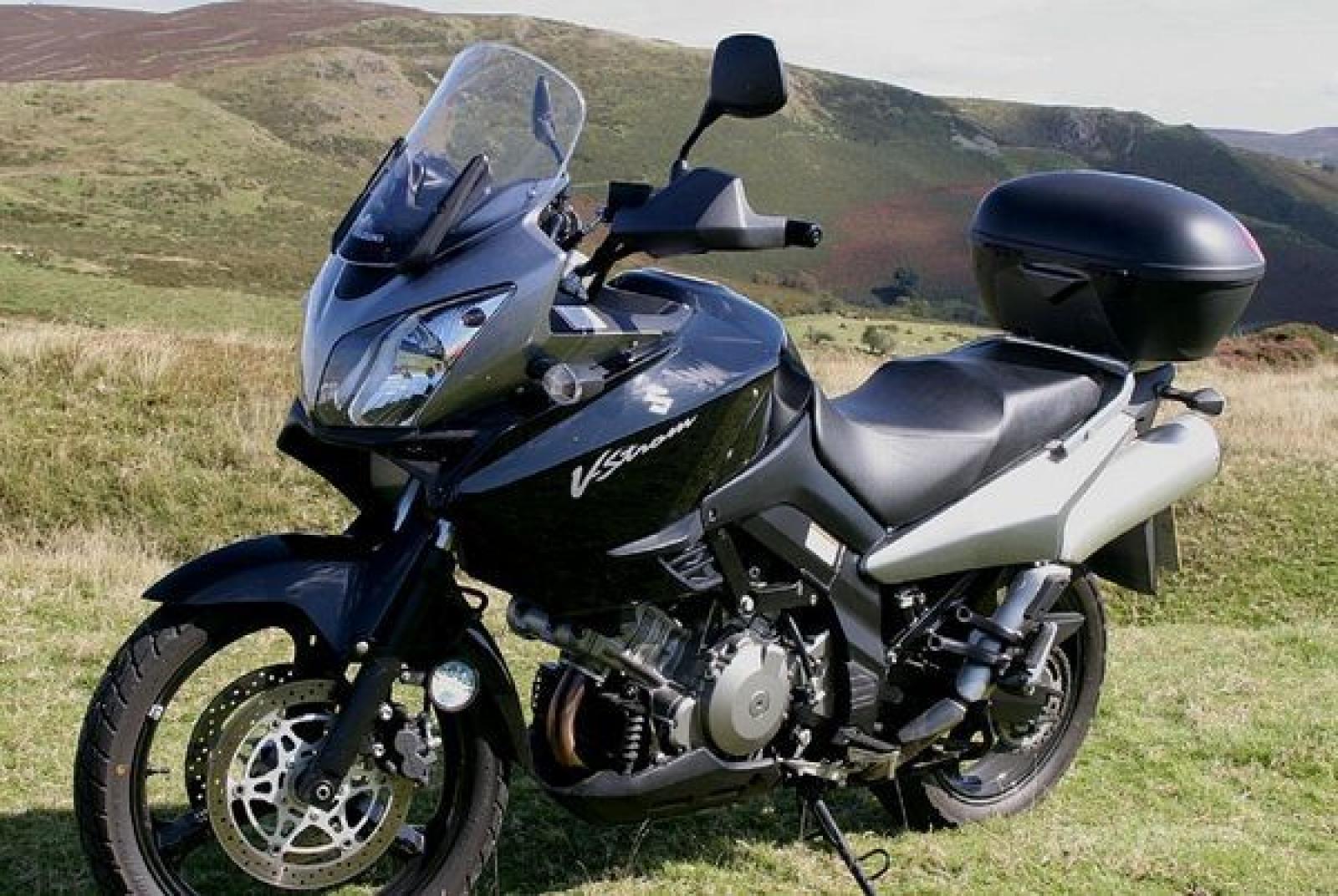
Preparing for a motorcycle road trip in Bolivia goes beyond merely packing your bags. High altitudes and variable weather necessitate thorough preparation. Riders should invest in robust gear that can withstand the drastic climatic changes, from cold, crisp mornings to warm afternoons. A quality helmet, insulated jackets, and waterproof gloves are essential items for any motorcyclist tackling the rugged Bolivian terrain.
Plan your mechanical needs meticulously; ensure that your motorcycle is well-serviced, as remote areas may lack immediate assistance. Packing spare parts, basic tools, and additional fuel can prevent frustration and delays in the wilderness. This foresight transforms potential mishaps into small inconveniences rather than catastrophic derailments of your journey.
Acclimatization is another critical aspect of your preparation. Places like La Paz sit high above sea level, necessitating time to adjust to thinner air. Slowly ascending through varying altitudes allows your body to adapt, mitigating altitude sickness and promoting a more enjoyable experience.
3. Cultural Encounters
No motorcycle road trip through Bolivia would be complete without immersing oneself in its rich cultural tapestry. The indigenous Aymara and Quechua communities offer a gateway into the country’s historical narrative. Interaction with locals in small villages often reveals insights about ancient traditions, beliefs, and their connection to the vast landscapes.
As you cruise through quaint towns such as Copacabana, you’ll encounter vibrant markets brimming with handmade textiles, traditional foods, and altiplano curiosities. Sample local cuisine; try the iconic salteña—a savory pastry filled with meats and spices, best enjoyed with a side of hot sauce. Each meal serves as a reminder of the region’s culinary heritage.
Festivals and celebrations abound in Bolivia, often reflecting a blend of indigenous and colonial traditions. Planning your trip around events such as the Fiesta de la Virgen de la Candelaria in February can provide an unforgettable cultural dimension to your adventure. Join the throngs of locals in spirited dances and revelry while witnessing the colorful traditional costumes that tell stories of their ancestors.
4. The Allure of Bolivia’s Diverse Landscapes
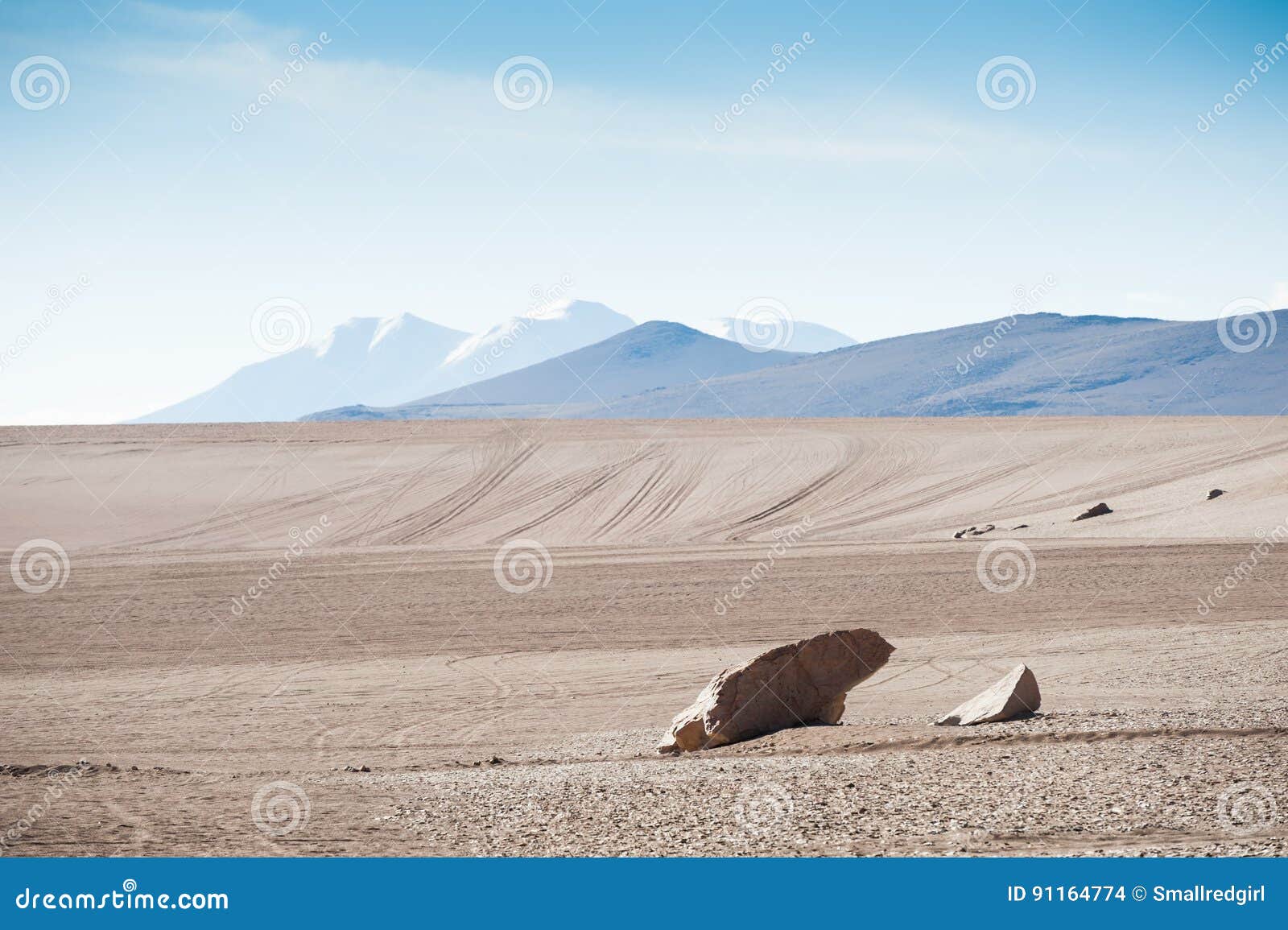
Breathtaking landscapes define Bolivia as a must-visit destination for any motorcyclist. From rolling hills covered in thick emerald foliage in the Yungas to the stark, arid expanses of the Altiplano, each region brings its own breathtaking visuals and unique challenges. Riding through the surreal expanse of the Salar de Uyuni offers a distinct experience unlike any other. This expansive salt flat stretches endlessly, creating a mirror effect when reflective puddles form after rain—or presenting a dazzling white landscape under the sun in the dry season.
Another key highlight is the rugged beauty of Torotoro National Park, where dramatic canyons and limestone formations invite not just motorbike lovers but hiking enthusiasts as well. The park’s geological wonders whisper tales of ancient civilizations and rich prehistoric findings, making stops here both a ride and a step back in time.
5. Safety Tips and Best Practices
Though thrill is part of the adventure, personal safety should never take a backseat on your motorcycle trip. Familiarize yourself with local driving laws and regulations. Always wear a helmet and protective gear, and avoid nighttime riding, as mountain roads can be perilously unpredictable.
Establishing a solid itinerary helps ensure you don’t wander into risky territory. Fuel stations may be scarce in remote regions, so keep your tank topped up whenever possible. Additionally, maintain communication with fellow travelers; a trusted companion can enhance safety while allowing for shared experiences and camaraderie along the road.
6. Reflections on the Journey
The experience of riding a motorcycle through the high-altitude landscapes of Bolivia is one that intertwines adventure with introspection. Each twist of the throttle serves as an invitation to connect with nature, culture, and the pulse of a land steeped in history. As you navigate through Bolivia’s compelling scenery—from the stark beauty of high deserts to the lush greenery of valleys—you’ll find not just a road trip, but a journey toward self-discovery.
So, as you gear up for this iconic road trip, remember: it’s not just about reaching your destination, but rather embracing the entirety of the experience—the breathtaking vistas, the interactions with local communities, and the thrill of the open road.