Riding a motorcycle offers an exhilarating sense of freedom and adventure, but it also comes with its own array of risks. Ensuring your safety on today’s roads isn’t just about mastery over the bike; it involves a comprehensive understanding of motorcycle safety essentials. The pivotal mantra “Be Seen, Be Safe” encapsulates the essence of vigilant riding.
This article delves into the vital components that constitute motorcycle safety. From visibility strategies to proper gear, these essentials will enhance your riding experience while safeguarding your life. Let’s explore these facets in detail.
1. Visibility: The Cornerstone of Safety
When it comes to motorcycle safety, visibility remains paramount. Motorcycles are inherently smaller and less noticeable than cars, making it imperative to employ strategies that amplify your presence on the road.
– Bright and Reflective Gear: Wearing high-visibility colors—like neon yellow, chartreuse, or orange—can significantly increase your chances of being seen. Adding reflective strips on your attire enhances your visibility during twilight or at night.
– Proper Lighting: Ensure your motorcycle’s lights are functioning optimally. Consider investing in auxiliary lights that provide additional illumination. LED lights are particularly vibrant and have a longer lifespan than traditional bulbs.
– Use of Turn Signals: Always utilize your turn signals to indicate maneuver intentions. This simple action can prevent potential hazards and enhance your visibility to other drivers.
2. Protective Gear: Your Second Skin
Investing in suitable motorcycle gear is not merely a stylistic choice; it’s a form of self-preservation. The right gear can provide crucial protection in the event of an accident while also improving your overall riding experience.
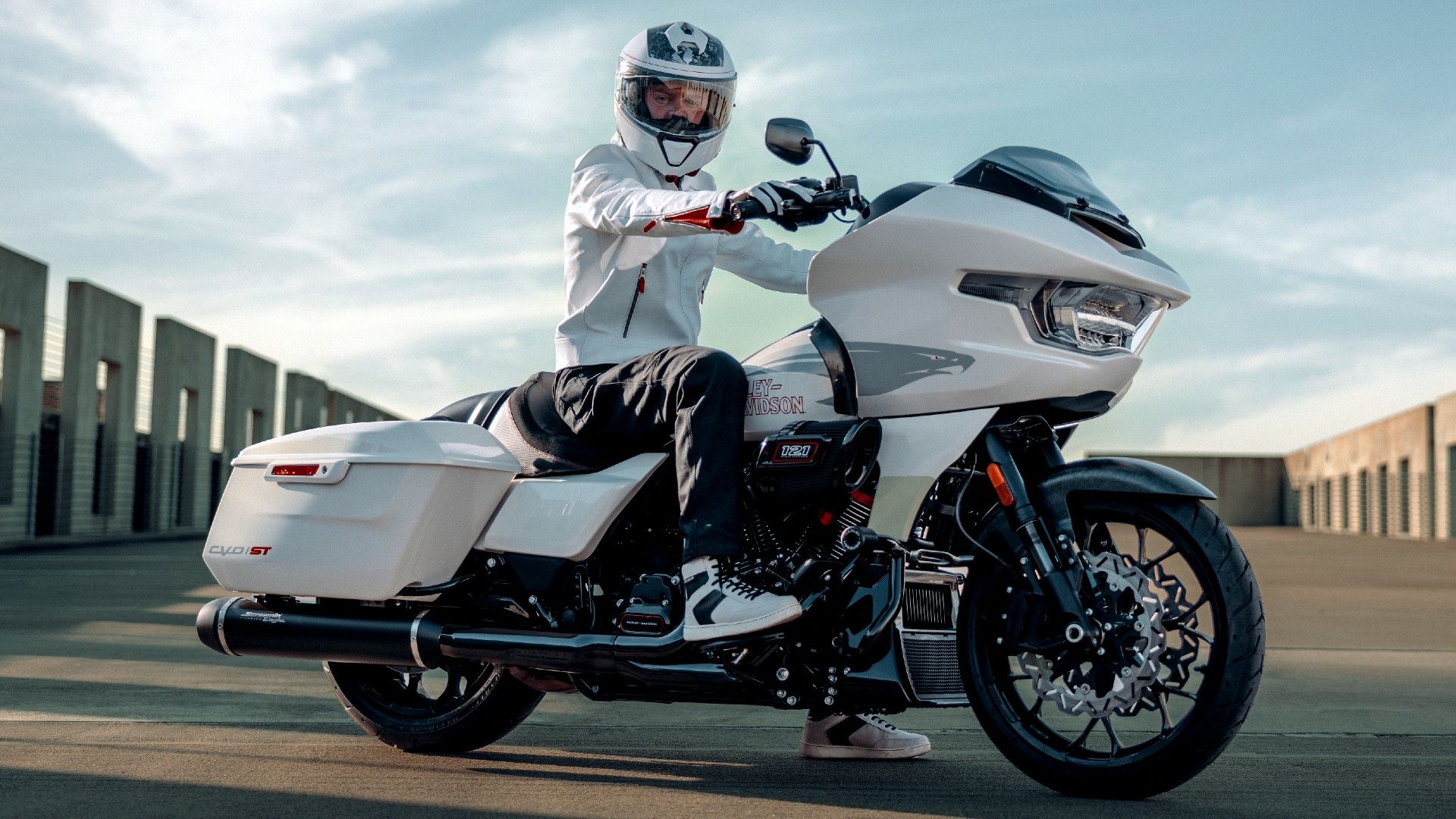
– Helmets: The helmet is the most critical piece of motorcycle safety gear. Look for a DOT (Department of Transportation) certified helmet that fits snugly and comfortably. Full-face helmets provide the highest level of protection.
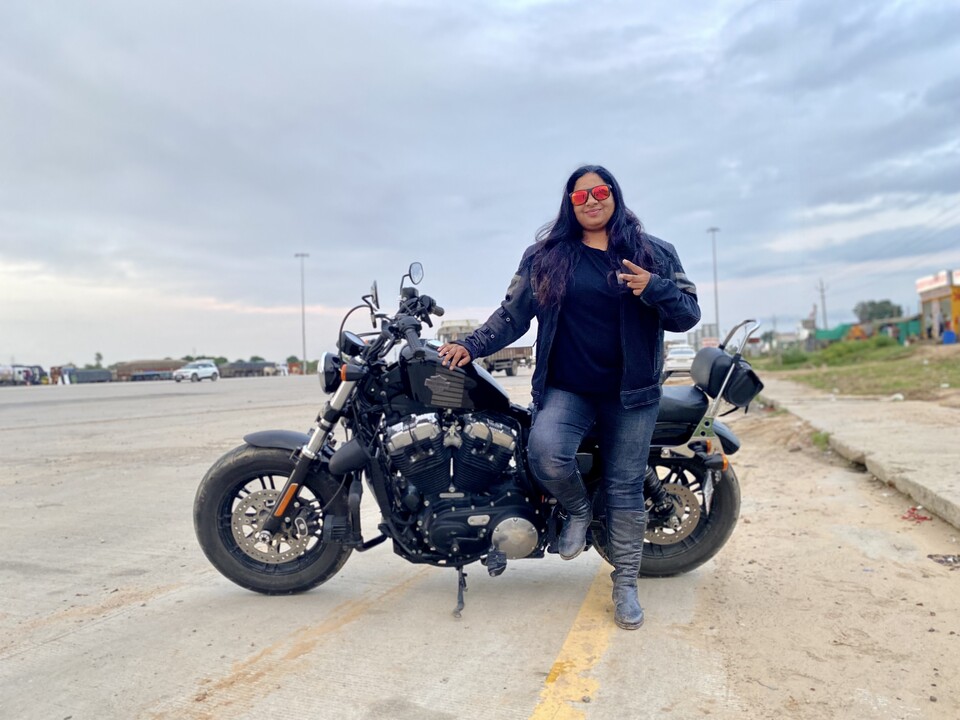
– Jackets and Pants: Opt for jackets and pants made from leather or high-durability synthetic materials, featuring padding at impact points like elbows and knees. These arise as barriers between your body and the asphalt.
– Gloves and Boots: Leather gloves improve grip and offer abrasion resistance. Similarly, sturdy, ankle-high boots can provide protection against injuries and better grip, enhancing your ability to handle the bike.
3. Riding Technique: Mastering Control
Your riding technique significantly impacts your safety. A deep understanding of how to control your motorcycle can be the difference between a smooth ride and a hazardous situation.
– Cornering Skills: Learn the art of cornering, which includes body positioning and throttle modulation. Maintaining a proper line through corners can prevent loss of traction or control.
– Defensive Riding: Adopt a defensive riding technique that incorporates anticipating the actions of other drivers. Stay alert for potential hazards, and always keep a safe distance from surrounding vehicles.
– Emergency Braking: Familiarize yourself with the concept of the ‘golden rule’ of braking: use both brakes simultaneously for maximum stopping power, unless conditions dictate otherwise.
4. Awareness of Environmental Factors
Understanding the surrounding environment is critical for motorcycle safety. The elements can dramatically influence riding conditions.
– Weather Conditions: Rain or snow can create slippery surfaces, impacting traction. It’s advisable to limit riding during adverse weather, and if unavoidable, adjust your speed and braking distances accordingly.
– Road Conditions: Keep an eye on road hazards such as potholes, gravel, and debris. Your ability to react to these obstacles can prevent accidents and maintain stability.
– Traffic Patterns: Understanding local traffic patterns can provide insights into peak congestion times. This knowledge aids in navigating through tumultuous traffic conditions effectively.
5. Motorcycle Maintenance: Your Unsung Hero
Regular motorcycle maintenance not only optimizes performance but is also a critical factor in ensuring your safety on the road.
– Tire Inspection: Maintaining proper tire pressure and tread depth is essential for optimal grip on the road. Regularly check your tires for wear and replace them when necessary.
– Brake System Checks: Your braking system is crucial for stopping efficiently. Routine checks on brake pads, fluid levels, and disc integrity are non-negotiable.
– Fluid Levels: Ensure that engine oil, coolant, and brake fluid levels are within recommended ranges. Low fluid levels can seriously compromise your motorcycle’s performance and safety.
6. Mental Preparedness: The Mindset of Safety
Finally, cultivating a safety-oriented mindset can significantly impact your overall riding safety.
– Stay Focused: Riding a motorcycle demands unwavering attention. Avoid distractions by keeping your focus on the road. If you’re feeling fatigued or distracted, it’s best to postpone your ride.
– Continual Learning: Engage in advanced riding courses or safety workshops to enhance your skills. Knowledge and experience synergistically contribute to safer riding practices.
– Respect Your Limits: Know your capabilities and set realistic goals. Avoid riding beyond your skill level, as overestimating can lead to dangerous situations.
In conclusion, prioritizing motorcycle safety essentials through visibility, protective gear, riding techniques, awareness, maintenance, and mental readiness is imperative in navigating the roadways confidently. Approach every ride with the mindset of “Be Seen, Be Safe,” and transform your perspective on motorcycle riding from sheer thrill to an informed and responsible pursuit of freedom. Stay safe and enjoy the open road!