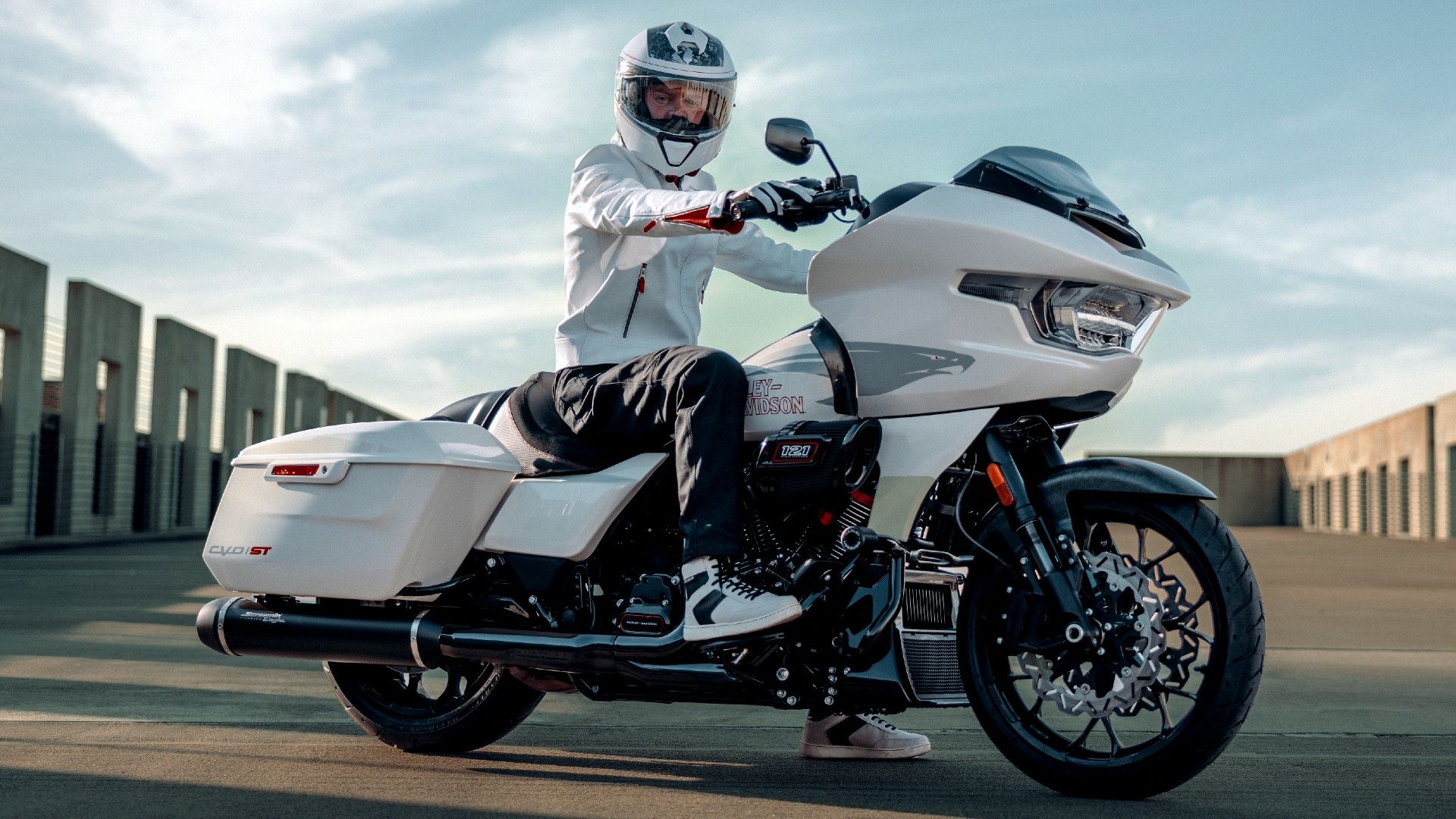
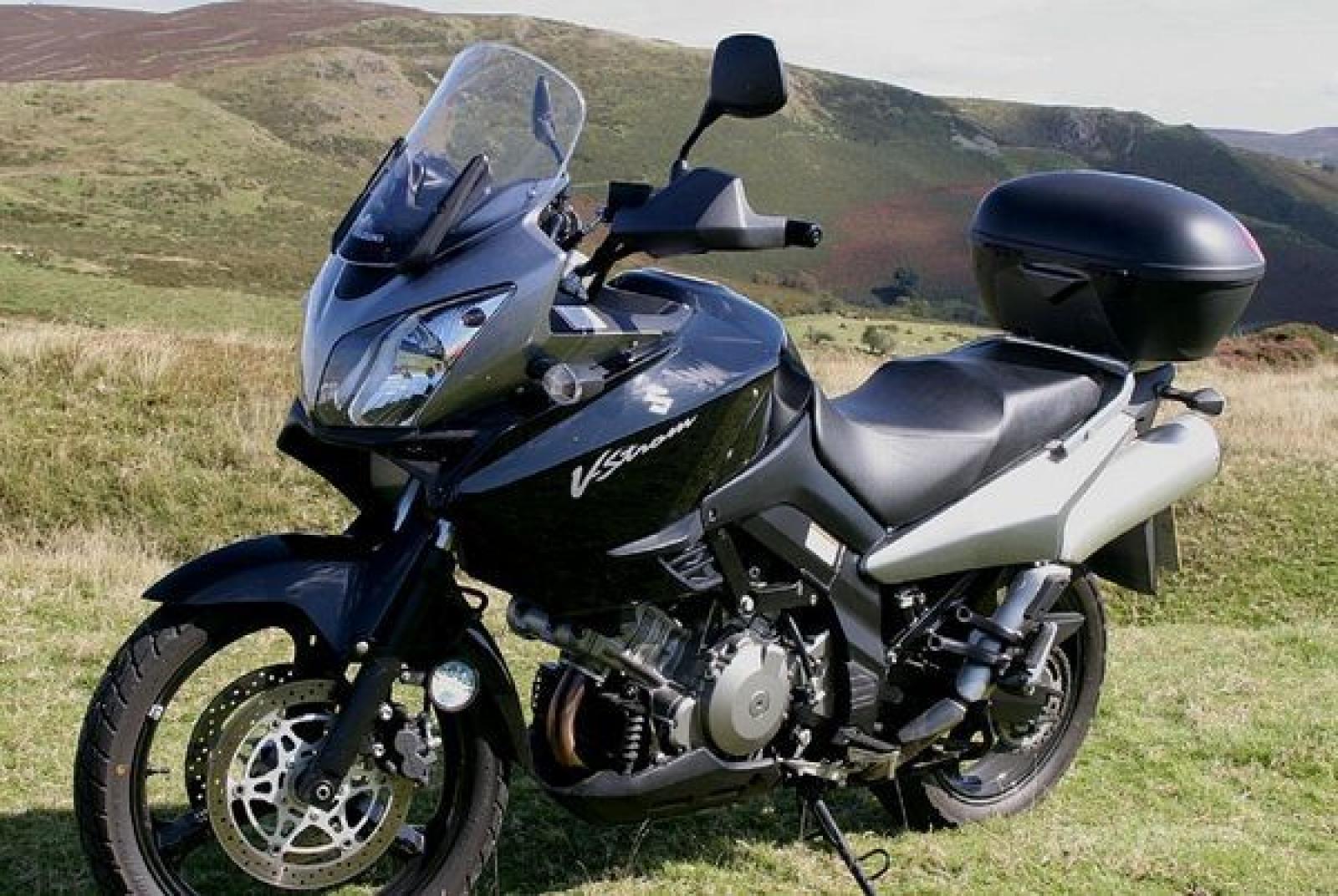
Motorcycle training and racing programs serve as critical frameworks that cultivate proficiency, safety, and excitement in the realm of two-wheeled mobility. These programs range from comprehensive beginner courses to adrenaline-pumping competitive racing workshops. By delving into various facets of motorcycle training and racing, individuals can glean the skills necessary for real-world riding while experiencing the exhilaration of competitive motorsport.
1. Understanding the Basics: Why Motorcycle Training Matters
Motorcycle training acts as the bedrock upon which riders build their skills. For novices, it’s a chance to familiarize themselves with the mechanics of handling a motorcycle. These foundational courses instill an array of skills such as balance, control, and braking techniques. Knowledge of safety gear and maintenance basics also forms part of the curriculum. Riders quickly comprehend the importance of these elements as they prepare for the challenges they may face on the road.
Moreover, training programs emphasize understanding local laws and regulations surrounding motorcycle operation. This ensures that riders are not only skillful but also legal and responsible motorcyclists. This foundational knowledge bolsters rider confidence, allowing individuals to navigate complex traffic scenarios with ease.
2. Types of Motorcycle Training Programs
Not all training programs are created equal, and understanding the types available can help riders choose the right path for their needs.
- Beginner Courses: Designed for those who have never ridden before, these courses cover essential aspects such as mounting, dismounting, and the various controls of the motorcycle. These programs often culminate in a road test that assesses the skills learned.
- Advanced Riding Techniques: Catering to experienced riders, these programs focus on nuanced skills like cornering, emergency braking, and hazard avoidance. Participants are introduced to advanced strategies for managing complex riding environments.
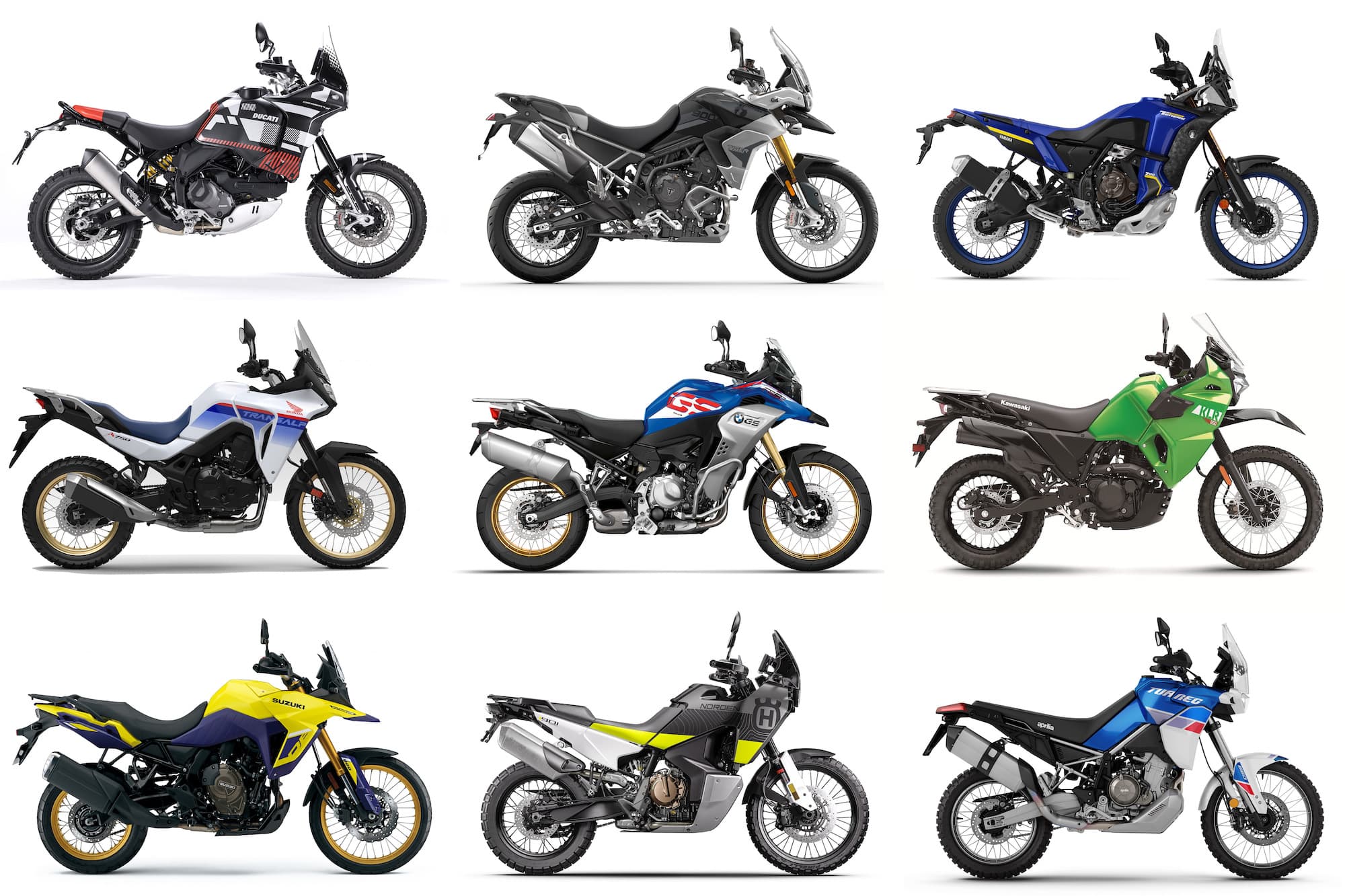
- Off-Road Training: For adventurers looking to explore unpaved terrains, off-road training offers insights into handling motorcycles on rough surfaces. This training encompasses techniques essential for navigating challenging obstacles and terrain.
- Track Days: These events allow riders to bring their personal motorcycles to a racetrack, offering professional instruction, varying skill drills, and an environment devoid of road hazards. Riders enhance their racing skills in a controlled setting.
3. The Importance of Safety Gear
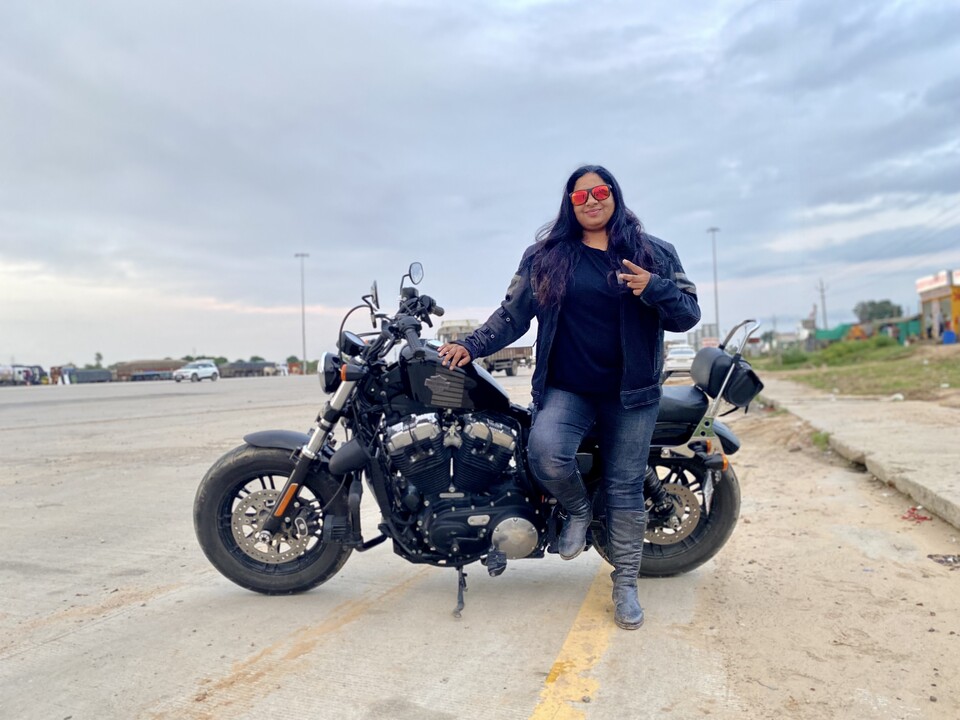
Effective motorcycle training emphasizes the pivotal role of safety gear. Proper attire can drastically reduce the risk of injury during accidents. Riders learn to distinguish between various types of gear such as helmets, gloves, armored jackets, and riding boots. Each item provides a unique form of protection, enhancing the rider’s ability to withstand adverse conditions.
Often overlooked is the necessity for gear that fits correctly. Riders are instructed on how to select fittings that offer mobility and protection without compromising comfort. This consideration enables prolonged riding sessions, enriching the overall experience of motorcycling.
4. Racing Programs: The Thrill of Competition
For those looking to elevate their motorcycle experience to competitive levels, racing programs provide an exhilarating outlet. Racing programs not only cultivate speed but also focus on precision, strategy, and mental fortitude. Through intensive training, riders learn to pounce on opportunities within a race while also honing the ability to calculate risks and make split-second decisions.
These programs typically include track-specific techniques, vehicle dynamics, and race etiquette. Participants often engage in mock races, allowing them to refine their reflexes and racing strategies. Additionally, many racing programs delve into the mental aspect of competition, such as visualization techniques and concentration drills.
5. The Role of Community in Motorcycle Training and Racing
Engagement in motorcycle training and racing programs fosters a profound sense of camaraderie among riders. Communities often spring up around local training schools, racing teams, or motorcycle clubs. These networks offer invaluable support, enabling riders to share experiences, tips, and gear recommendations.
Moreover, organized group rides and social events provide a platform for less experienced riders to connect with seasoned veterans. Such interactions can lead to mentorship opportunities, where experienced riders guide newcomers through the intricacies of motorcycle culture, further enriching their learning journey.
6. Continuous Learning: Keeping Skills Sharp
Motorcycling is a dynamic pursuit; techniques evolve, regulations change, and new technologies emerge. Training programs encourage ongoing education through refresher courses and advanced training workshops that keep riders up to date with the latest practices in safety, riding techniques, and maintenance. Such commitment to continuous learning can be the differentiator that enhances both safety and enjoyment for any motorcyclist.
7. Conclusion: The Journey of Skill Development
The multifaceted nature of motorcycle training and racing programs plays an integral role in the development of proficient riders. By participating in these programs, individuals not only improve their technical skills but also foster a deep understanding of safety and community. Whether burning rubber on a racetrack or deftly weaving through traffic, the skills and insights gained from structured training pave the way for a fulfilling, safe, and exhilarating motorcycling experience.