Motorcycling in New York is not only a passion but also a significant investment for many riders. Understanding the nuances of motorcycle warranties can empower consumers to make informed decisions when entering the marketplace. Below, we will delve into ten critical aspects of motorcycle warranties, highlighting what is typically covered and how specific manufacturers operate. This examination will equip prospective buyers with valuable insights to navigate the complexities of motorcycle ownership.
1. Understanding Manufacturer’s Warranty Coverage
The manufacturer’s warranty is the most common type of warranty you will encounter. It is issued when you purchase a new motorcycle and typically covers defects in materials and workmanship. Most manufacturers offer a limited warranty that can range from one to three years, with some manufacturers providing longer terms depending on the motorcycle model. It’s essential to read the fine print to comprehend what is included and what may require additional coverage.
2. Roadside Assistance Programs
Aside from the mechanical coverage, many manufacturers now offer roadside assistance programs as part of their warranty package. This invaluable service can provide peace of mind, ensuring you’re not stranded in the event of a breakdown. Typically encompassing services like towing, fuel delivery, and tire changes, roadside assistance can play a critical role in your overall ownership experience. Manufacturers often specify their coverage regions, so understanding limitations is key, especially in a diverse area like New York.
3. Extended Warranties and Service Plans
For riders seeking additional protection, extended warranties and service plans are a prudent option. These plans can extend your coverage beyond the manufacturer’s warranty period. It’s imperative to assess the extent of the coverage, such as which components are included and the deductibles you may face. Various dealerships in neighborhoods like Brooklyn and Queens offer these plans, making it convenient for local bikers to enhance their coverage.
4. What’s Typically Not Covered
Understanding exclusions in a motorcycle warranty is just as critical as knowing what is covered. Common exclusions include regular maintenance services, wear-and-tear items like tires and brake pads, and damages resulting from accidents or misuse. Manufacturers often have unique stipulations or conditions that must be met for any warranty claim, such as timely maintenance performed by authorized service personnel. Riders should meticulously document all maintenance to avoid complications down the line.
5. Custom Modifications and Their Impact
Motorcycle enthusiasts often make custom modifications to personalize their rides. However, these changes can significantly complicate warranty claims. While some manufacturers permit minor alterations, extensive changes can void certain aspects of the warranty. Knowing the manufacturer’s stance on modifications is vital, especially for those residing in neighborhoods like the Bronx, where customization is prevalent.
6. Differences Among Major Manufacturers
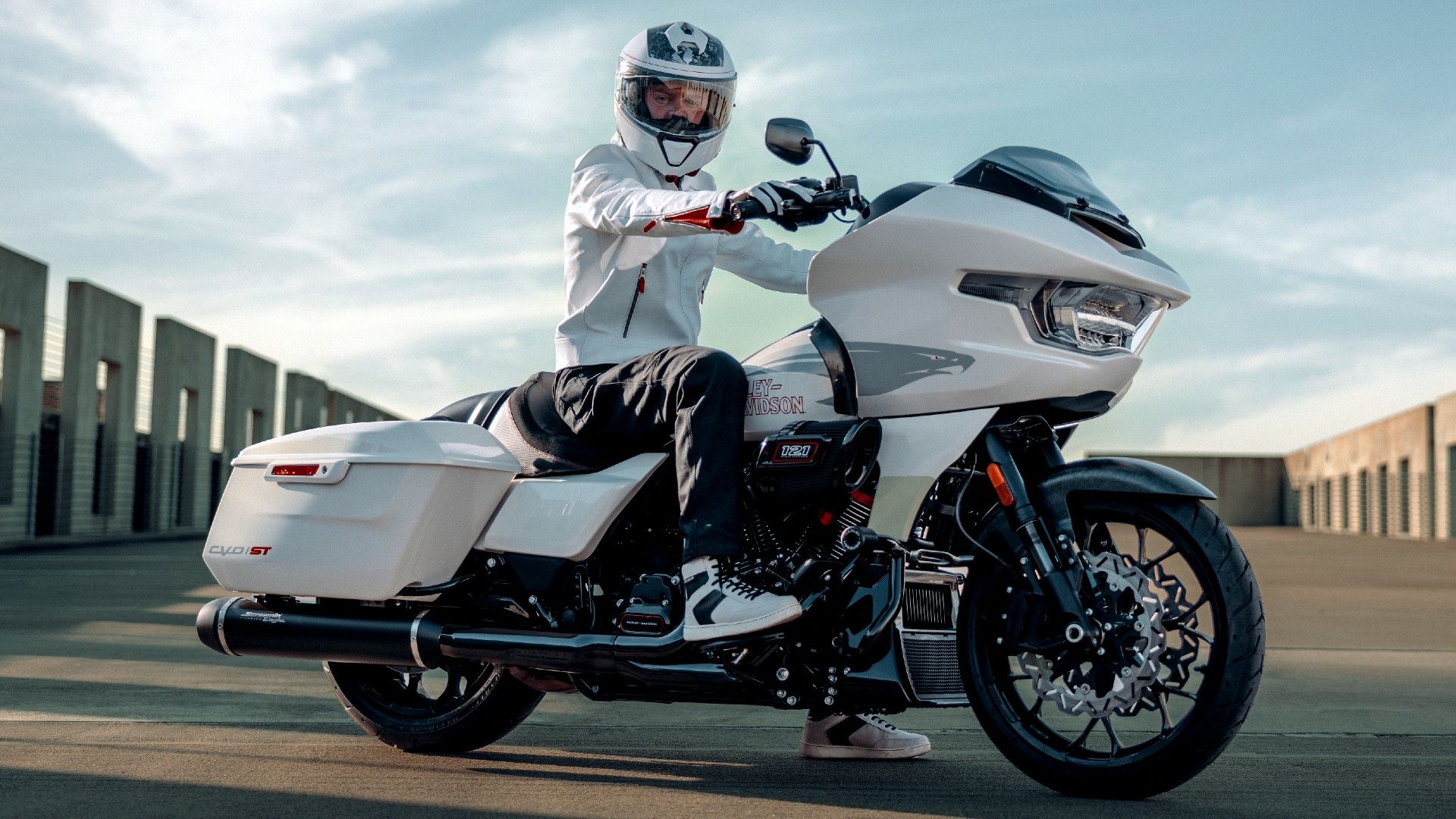
Not all manufacturers approach warranties alike. For instance, Harley-Davidson and Yamaha may have distinct warranty policies, including coverage duration and claims processes. While Harley-Davidson often boasts a two-year warranty, some Yamaha models may come with a one-year limited warranty complemented by additional perks. Riders in Manhattan might find significant differences among dealers, requiring them to consult dealer-specific warranty information to ascertain the best coverage for their needs.
7. Warranty Transfer Policies
When selling your motorcycle, understanding the warranty transfer policy can provide an edge in negotiations. Many manufacturers allow the warranty to be transferred to the new owner, adding value to the bike. However, some conditions apply, such as a transfer fee or the need for notification to the manufacturer. Knowing how your warranty functions in this scenario can help you leverage it during resale, making it a significant point to discuss at local dealerships.
8. The Role of Authorized Dealers and Service Centers
A major stipulation in many motorcycle warranties is the requirement to service your bike at authorized dealers. These establishments ensure that repairs and maintenance adhere to the manufacturer’s guidelines. In neighborhoods like Staten Island, having a reliable authorized dealer can not only ensure compliant service but also foster a beneficial relationship with your service team, leading to better warranty handling in emergencies.
9. The Importance of Documentation
Should you ever need to file a warranty claim, maintaining meticulous records is essential. This includes keeping receipts for all services and parts purchased, with particular attention to dates. Each warranty stipulates specific requirements that must be met for a successful claim. Documentation acts as your proof of care and maintenance, safeguarding your rights under the warranty agreement.
10. Conclusion: Making the Most of Your Warranty
Understanding the intricacies of motorcycle warranties can significantly impact your ownership experience. From discerning coverage limits to grasping the fine print regarding modifications, being proactive can safeguard your investment. Choosing the right manufacturer, knowing your local dealer, and maintaining detailed records will allow you to navigate the motorcycle landscape with confidence in New York’s bustling neighborhoods.
Embarking on the journey of motorcycle ownership necessitates ample preparation, and comprehensive warranty knowledge is a critical component of this adventure. By familiarizing yourself with these essential aspects, you can ride the roads with an informed mind and a secure feeling of protection.