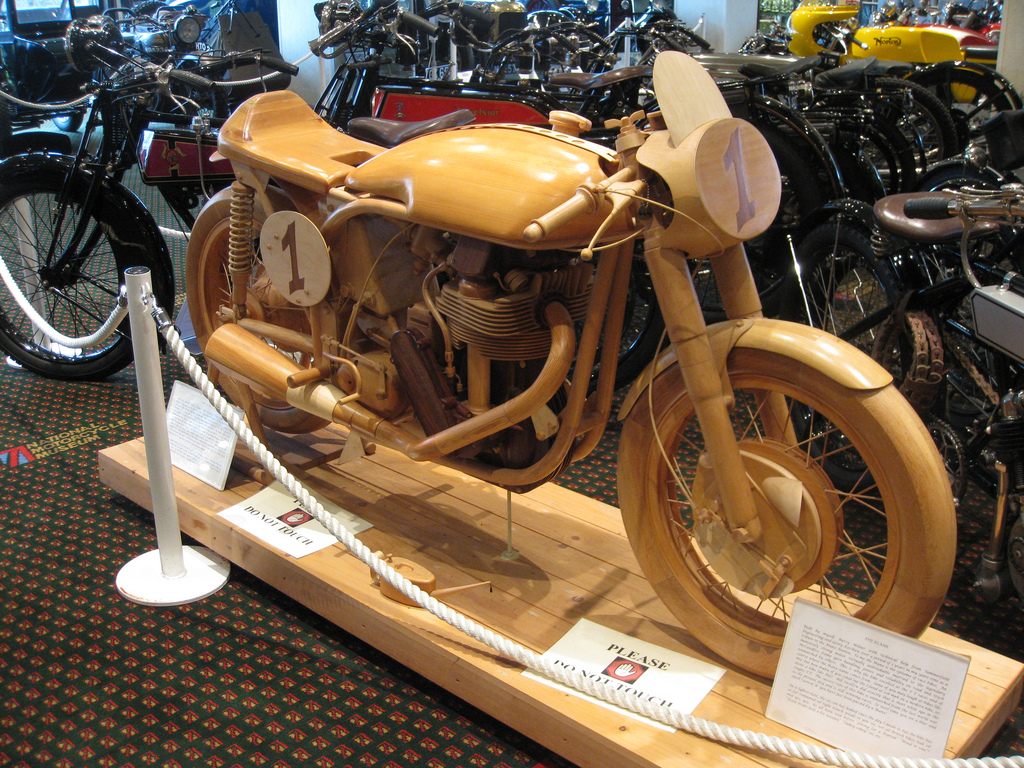
The vibrant culture of motorcycling has not only left its mark on the open roads but has also woven itself into the very fabric of communities. In New York, where the hustle and bustle meet the creamy allure of leather jackets and chrome finishes, the National Motorcycle Museum has stood as a beacon for enthusiasts and casual visitors alike. But what happens to such a cherished collection when these museums face closure? This question serves as the springboard for an exploration of potential challenges and outcomes. Let’s delve into the implications of their closure while uncovering various centers in New York that celebrate this two-wheeled art form.
1. **Understanding the Closure**
The closure of a national motorcycle museum is not merely about shutting down physical premises; it signifies the loss of a custodian. Visitors often find themselves pondering: what happens to all those gleaming motorcycles and the vast archives of history? Whether due to financial constraints, reduced foot traffic, or shifts in cultural interests, the closure raises unanswered questions about the fate of the exhibits.
2. **A Repository of Heritage: The Collection’s Fate**
With over hundreds of vintage models, memorabilia, and informative displays, the closure leads to a pressing dilemma—where do the artifacts go? Possibilities abound, from acquisition by other institutions to private collections. Each decision directly impacts the preservation of motorcycling heritage. What if your favorite bike ends up tucked away in a garage instead of on display for the world to admire?
3. **Tangible Hopes: Donations and Auctions**
There’s an intrinsic charm in the potential future of these collections. Some museums may opt to hold auctions, allowing collectors and fans to bid on historical pieces. Think about the excitement of owning a piece of motorcycle history! Donations can also play a pivotal role as institutions might look to engage the community—inviting motorcycle lovers to contribute financially or even through volunteer work to help maintain collections elsewhere.
4. **The Role of Other Museums**
One can hardly underestimate the goodwill of other museums in the vicinity. When one door closes, another may open. The two-wheeled treasures might be relocated to places rich in history and dedicated to showcasing automotive art. For instance, the **New York State Museum**, located at 222 Madison Ave, Albany, NY 12230, offers more than mere exhibits; it serves as a narrative weaving together state heritage, which can easily incorporate motorcycle history. Contact them at (518) 474-5877 or visit their website for more insights.
5. **Historical Significance Beyond Displays**
Think for a moment: what if the collection could be displayed in pop-up museums or motorcycle festivals across the state? Events like the **L.I. Motorcycle Show**, held in various locations, provide a platform where exhibitions can travel, sparking interest and preserving the narrative of motorcycling culture in new and dynamic environments.
6. **Collaboration with Private Collectors**
What happens when passion intersects with preservation? Some museums may strike partnerships with private collectors, eager to safeguard iconic pieces. For instance, one can explore possibilities with local enthusiasts or collectors who have amassed impressive collections over the years—what skillful arrangements could keep history alive? Connections formed through shared interests can lead to innovative exhibits that draw on the community’s love for bikes.
7. **Education Opportunities on the Horizon**
The closure of a prominent museum does not equate to the extinguishing of knowledge. On the contrary, it raises opportunities for educational ventures. Schools and local organizations could create programs featuring historical motorcycle topics, scaling down the grandiose. Local riding schools might even take the initiative to start educational workshops, ensuring that the legacy continues to inspire future generations. How many young riders could be ignited by a passionate history lesson?
8. **Community Involvement and Engagement**
Local motorcycle clubs and organizations have a pivotal role in continuing the legacy of discontinued museums. Clubs such as the **Brooklyn Motorcycle Club** foster community bonding, enabling members to share their passion while reinforcing the importance of maintaining history. Engaging in events, fundraisers, or exhibitions can provide the lifeblood needed to keep cherished artifacts relevant. Could this cultivate a new appreciation for motorcycling history among the younger folks?
9. **Creating Digital Archives**
The digital age presents a revolution in how we interact with history. E-museums or online databases of motorcycle collections can emerge as prominent platforms to showcase high-resolution images and details about rare bikes once displayed in national museums. Such digital endeavors allow motorcycle aficionados from every corner of the globe to relish in the sight of iconic bikes, albeit virtually. Can digital storytelling breathe new life into these silenced exhibits?
10. **The Road Ahead: Embracing Change**
The closure of the National Motorcycle Museum poses an array of challenges, yet it also provides a unique opportunity to reimagine how motorcycling history is disseminated. From conventional exhibitions to modern pop-ups, community events, and online platforms, history remains vibrant and accessible. While it may be daunting to ascertain the future of such treasured collections, one thing remains certain: the spirit of motorcycling, vibrant and undeterred, will continue to roar on through New York’s streets and far beyond. So, will the legacy of these magnificent machines electrify future generations of motorcycle enthusiasts, keeping the flame of passion alive?