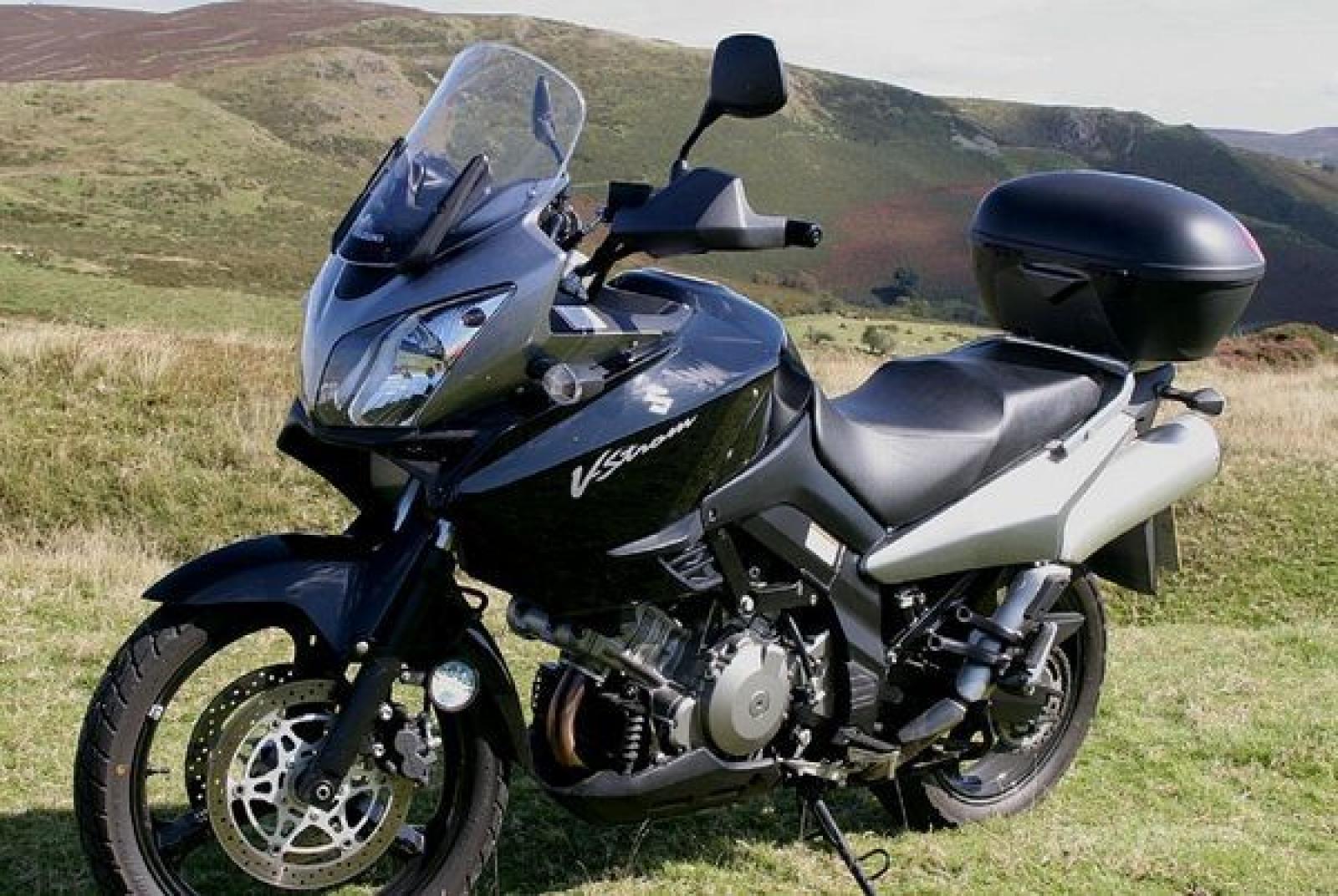
Embarking on a motorcycle journey from Ontario to Alaska is not just a mere trip; it’s an odyssey that promises to unveil the raw and untamed beauty of North America. This epic northbound journey beckons adventurers to grasp the handlebars of their machines and relinquish the mundane comforts of everyday life. With winding roads, majestic vistas, and wondrous encounters, the experience is nothing short of transformative. Here’s a comprehensive guide to planning an unforgettable ride through some of the continent’s most stunning landscapes.
1. Selecting the Right Motorcycle
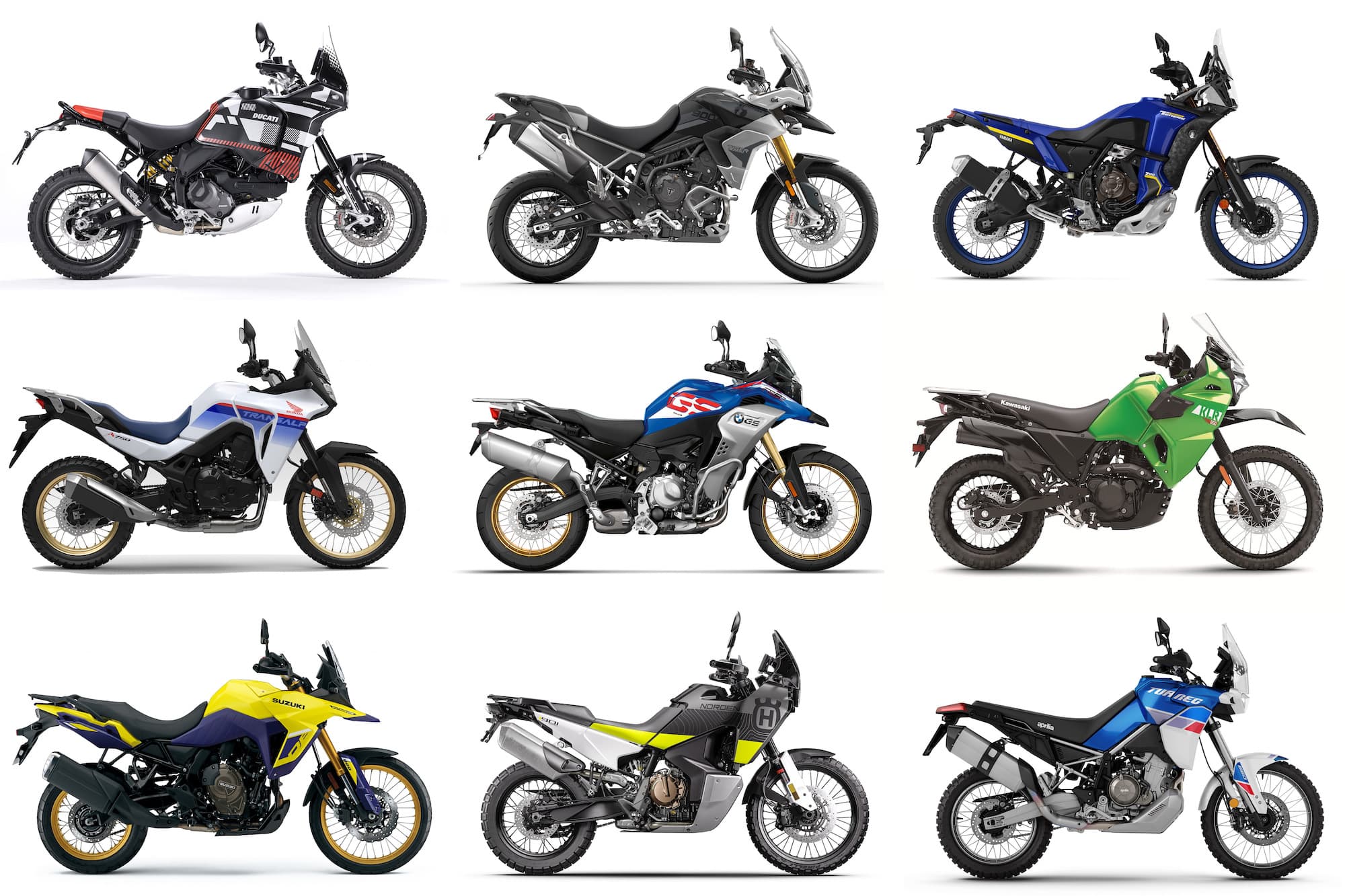
When it comes to conquering the diverse terrains stretching from Ontario to Alaska, the choice of motorcycle is paramount. Cruisers, touring bikes, and dual-sport motorcycles each serve unique purposes. Adventure bikes, in particular, excel at handling both paved highways and rugged backroads, making them ideal for such an expedition. Enthusiasts should consider the weight of the bike, fuel efficiency, and comfort for long distances. A well-fitted and reliable machine not only enhances the journey but also ensures safety on the road.
2. Crafting Your Route
Routing is an art form on this journey, allowing travelers to weave through fascinating locales. Starting from Ontario, many bikers opt to follow the Trans-Canada Highway, a scenic route that showcases sweeping views of lakes and forests. Upon reaching the United States, the Alaskan Highway, also known as the “Alcan,” offers a mesmerizing passage filled with rugged wilderness, wildlife sightings, and striking landscapes. Supplementing the primary route with detours to national parks, quaint towns, and lakes will enrich the tapestry of experiences along the way.
3. Timing Your Adventure
Choosing the right time to embark on this northbound adventure can significantly affect the journey’s quality. The ideal window stretches from late spring to early autumn. During these months, the weather tends to be milder, and daylight hours are longer, allowing for ample riding time. Be mindful of seasonal closures and fluctuating weather patterns, particularly in the mountainous regions of Alaska, where snow and ice can linger into June. Planning meticulously around these seasonal factors is crucial for a smooth ride.
4. Packing Wisely
Effective packing is essential for the motorcycle journey, as space is limited. Essential items include clothing suitable for varying temperatures, waterproof gear, and sturdy boots. One must also carry necessary tools and spare parts, especially for longer stretches away from service stations. A well-stocked first-aid kit, hydration systems, and food supplies should not be overlooked, as vast stretches of road can often be devoid of services. Balancing lightweight essentials with comfort can greatly enhance the riding experience.
5. Navigating Borders and Regulations
Traveling across international borders necessitates a keen awareness of documentation and regulations. Riders must carry valid passports, motorcycle registration, and insurance documentation. Familiarity with import regulations in Canada and the U.S. can prevent unexpected complications. Additionally, staying updated on current travel advisories and border crossing requirements will ensure smooth transitions across countries and minimize bureaucratic hurdles.
6. Safety Considerations
Safety should reign supreme during this grand adventure. Riders should always wear appropriate protective gear, including helmets, gloves, and jackets. Proper maintenance before departure—checking tire pressure, brakes, and fluid levels—can avert mishaps on the road. Moreover, being cognizant of wildlife such as moose and bears, particularly in the Alaskan wilderness, is vital for avoiding accidents. Establishing a buddy system among fellow riders can enhance safety, allowing bikers to keep watch over one another as they traverse vast and remote stretches of road.
7. Embracing Connectivity
In the age of technology, maintaining some level of connectivity can be beneficial. While vast areas may lack cellular reception, innovative applications and GPS devices can provide valuable navigational aids. Learning to navigate with maps remains a critical skill, especially as a backup when technology fails. Besides, sharing the adventure through social media or blogging about the journey can foster an engaging narrative that resonates with friends and family back home.
8. Enjoying the Journey
Beyond the destination, the experience lies in the journey itself. It’s imperative to take moments to breathe, savoring picturesque landscapes, engaging with locals, and immersing in cultural nuances encountered along the way. Whether it’s a spontaneous stop at a roadside diner or a breathtaking sunrise over the Rocky Mountains, these moments are the quintessence of motorcycle travel. Curiosity is your compass; allow it to lead you to unexpected adventures.
9. Reflecting on the Experience
As the motorcycle rolls back into Ontario’s embrace after traversing the majestic stretches of Alaska, riders often find themselves irrevocably altered. The experience fosters a deeper connection to the land, a greater appreciation for the “great outdoors,” and a newfound courage to face the unpredictable. Reflecting on the transformative moments of the journey can serve not just as a memento but as a catalyst for future adventures waiting to unfold.
In conclusion, a motorcycle journey from Ontario to Alaska is more than just a route on a map. It is a passage of exploration, resilience, and appreciation for nature’s breathtaking beauty. This epic northbound journey awaits those with the spirit of adventure and the heart of a wanderer. So gear up, fuel your passion, and set forth on a journey that promises not just thrilling rides but life-altering memories.