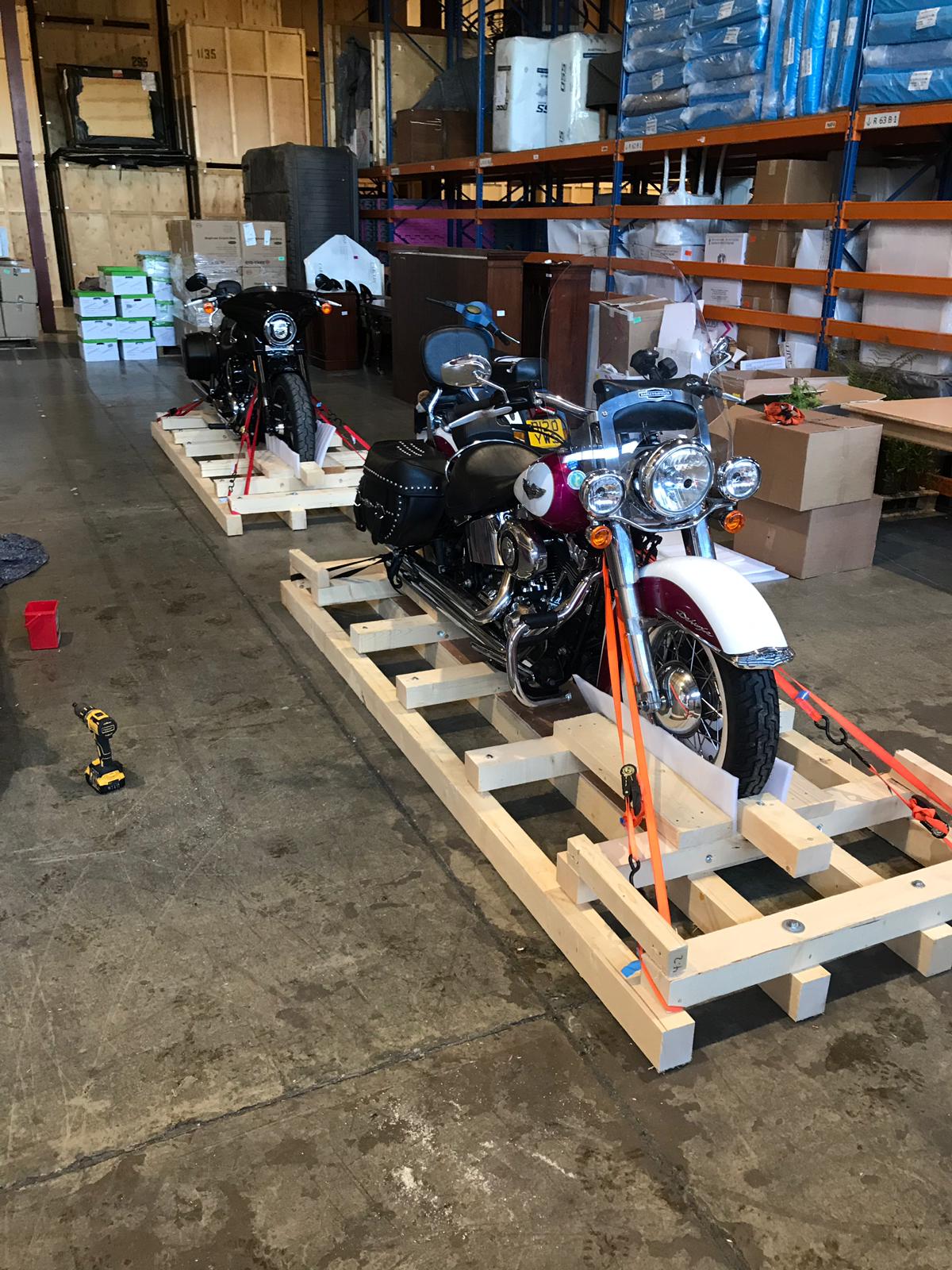
Shipping a motorcycle long distance can be likened to sending a beloved friend on an adventure—one filled with potential challenges and breathtaking horizons. Yet, the appeal of transporting your bike, be it for a thrilling cross-country journey or an exciting move, deserves careful consideration. From the way your motorcycle is cradled in a custom crate, to the cost involved and the intricate dance with customs regulations, the expedition to ship your motorcycle is a significant undertaking. Here’s a detailed exploration of 10 noteworthy facets to consider when shipping your motorcycle long distance, particularly in the vibrant landscapes of New York neighborhoods.
1. Crate Types and Customization
Transporting your motorcycle safely starts with selecting the right crate. Think of a crate as a cocoon, designed specifically to shield your motorcycle from the rigors of travel. Wooden crates offer robust support, while metal crates provide added durability. Customization options are plentiful, encompassing foam padding and soft ties—ensuring snug security. To find the ideal crate, local motorcycle shipping companies, such as uShip, can be consulted for expert advice tailored to your needs.
2. Costs of Crating and Shipping
Just as fine art comes with a high price tag, so does the safe shipping of your motorcycle. Crate costs can oscillate between $200 and $500, contingent on its size and materials. However, the crating expense is merely a component of the broader shipping budget, which can reach up to $1,600 based on distance and service type. For a detailed breakdown of pricing options, consider reaching out to Motorcycle Shippers. Their experienced consultants can help you navigate the sea of costs.
3. Selecting Shipping Options
Shipping methods can be as diverse as the cityscape of New York itself. Enclosed transport provides unrivaled protection, akin to placing your motorcycle in an opulent limousine rather than an open flatbed. Conversely, open transport is a more economical option, akin to traveling by bus; perfect for those on a budget. Investigate various shipping companies such as ShipBikes, which offer detailed insight on the advantages of each option.
4. Timing Your Shipment
In a city that never sleeps, timing is paramount. Allure lies in the thrill of spontaneity, but when shipping a motorcycle, careful scheduling is critical. Aim for at least a month in advance to arrange both the crating and transport. The warmer months tend to see a surge in shipping demand, influencing both availability and price. To optimize your shipment, reach out to local companies like Road Toad for transparent timelines.
5. Customs Regulations
For those shipping beyond the edges of the United States, customs regulations can be particularly daunting. Import regulations vary widely depending on destination countries. Think of them as the gatekeepers of international travel, each with its own unique set of rules. The U.S. Customs and Border Protection website offers valuable guidelines. Nevertheless, engaging with professionals like Shutterstock would help clarify the intricate web of customs paperwork you’ll need to tackle.
6. Insurance Considerations
To relinquish your motorcycle into the hands of strangers can be anxiety-inducing, much like entrusting your favorite dish to an unknown chef. Thus, acquiring transport insurance should be a priority. Standard policies often cover damage or loss during shipping, but additional coverage can provide greater peace of mind. Explore various options with Progressive, who can guide you in securing the right policy.
7. Tracking Your Shipment
The uncertainty of waiting for your motorcycle to complete its journey can feel like watching paint dry. Many reputable shipping companies offer tracking options. Utilizing GPS technology, you can monitor your motorcycle’s progress as it moves through the vast tapestry of the country. Companies like BikeFlights provide comprehensive tracking services that alleviate the suspense.
8. Preparing Your Motorcycle for Shipping
Prior to sending your motorcycle off, preparation is paramount. Just as a knight dons armor before battle, your bike needs readiness too. Drain the fuel, disconnect the battery, and check for any loose parts. A thorough inspection ensures that your motorcycle travels without hindrance. Seek advice from local experts such as Event Registration for thorough preparatory steps.
9. Local Regulations and Licenses
Each neighborhood within New York can be seen as a distinctive microcosm, governed by different rules and regulations. Before shipping your motorcycle, familiarize yourself with local laws concerning transport of vehicles. Regulations might differ if you’re shipping to another state or country. Consulting with a local expert, perhaps from NYC Government, can provide insight into these legal intricacies.
10. Choosing the Right Company
Stumbling upon the right freight company often feels like finding a diamond in the rough. Take the time to cross-reference reviews, seek recommendations from motorcycle enthusiast groups—these networks can often lead you to hidden gems. Companies such as Yelp showcase user ratings and testimonials that simplify your decision-making process.
Shipping your motorcycle long distance is not merely about logistics; it’s a journey that intertwines emotion, anticipation, and the thrill of adventure. By paying homage to each step—from selecting a custom crate to understanding costs and customs—you ensure that your tireless companion is well-prepared for its own epic voyage. Trust in what you learn here, and soon your motorcycle will be gearing up for an exciting new chapter.