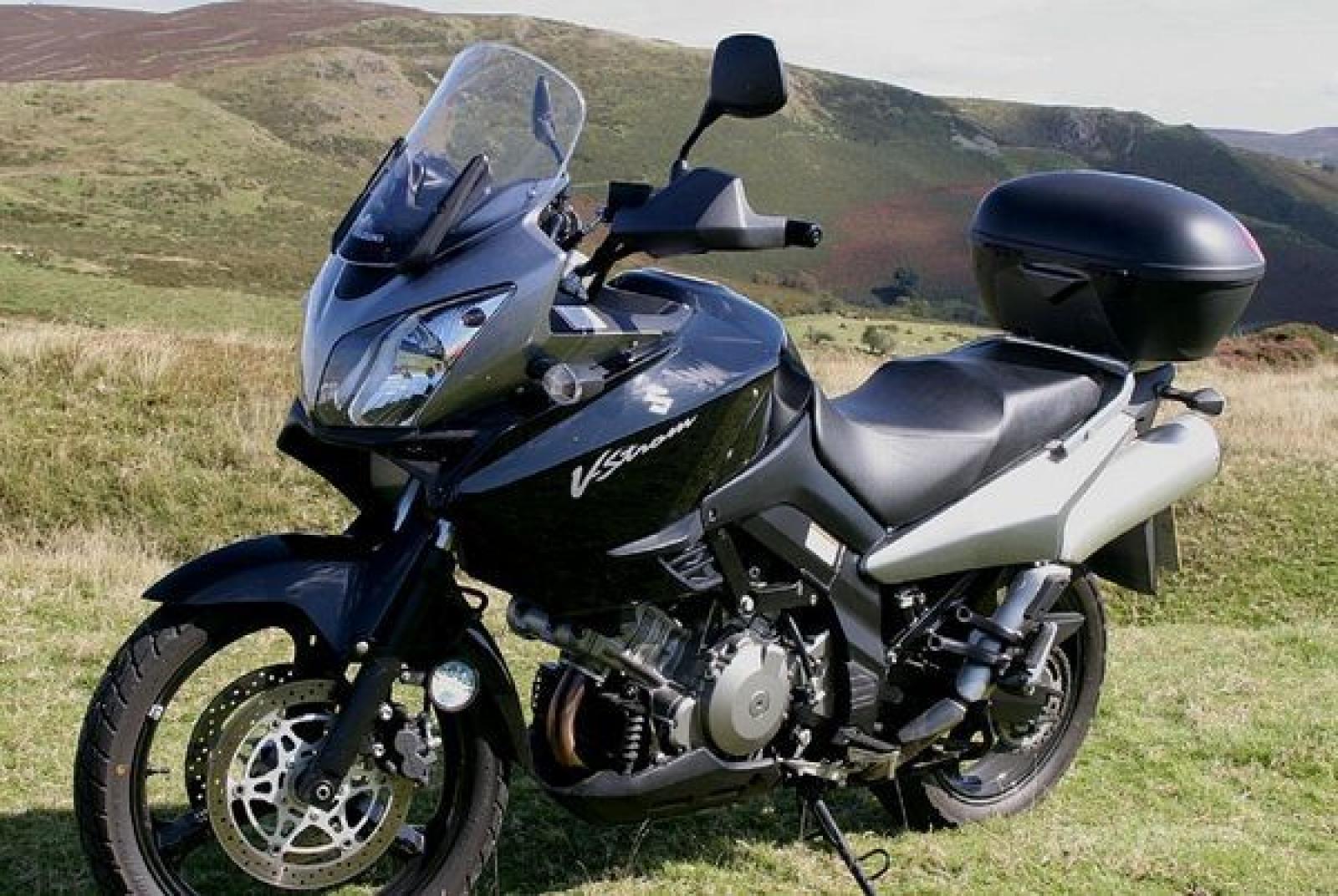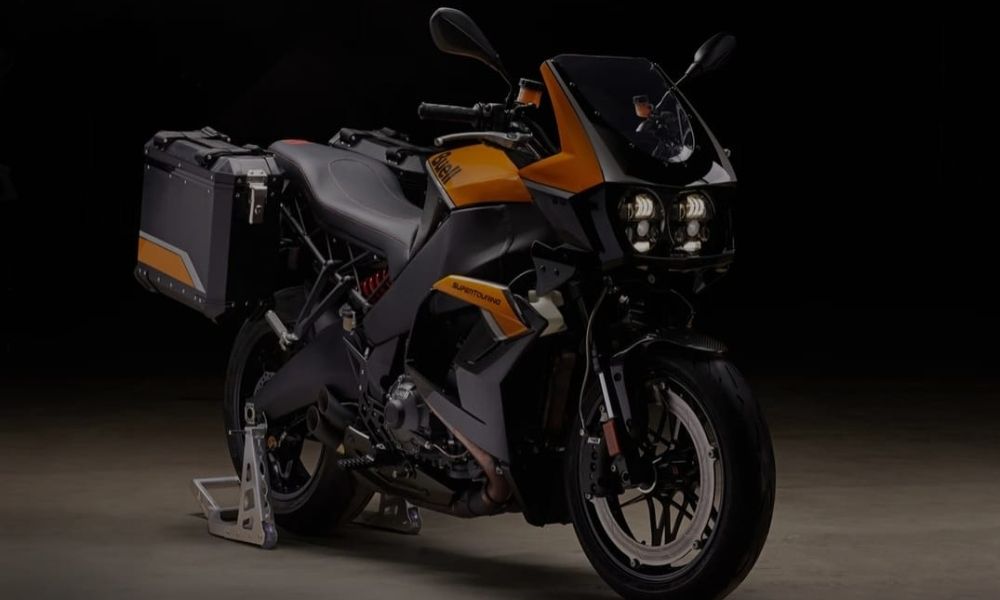
In an era where motorcycles offer more exhilarating experiences than ever, one might ponder: what happened to the quintessential sport touring motorcycle? These majestic machines once stood as the epitome of versatility, striking a remarkable balance between comfort, performance, and practicality. However, as the years have progressed, this segment has seemingly found itself in decline. What gives? Is there a unique shift reshaping our riding preferences, or is it simply the natural ebb and flow of the motorcycle market?
Sport touring motorcycles were born from a fusion of two distinct worlds: the agility and speed of sport bikes melded with the long-distance endurance and comfort of touring models. Riders embraced them for their smooth handling, advanced technology, and ability to conquer both winding roads and open highways with equal aplomb. Yet, as tastes evolve and new categories emerge, these versatile machines are losing their luster. Here are some compelling reasons that might illuminate the fate of the sport touring motorcycle.
1. The Rise of Dedicated Segments
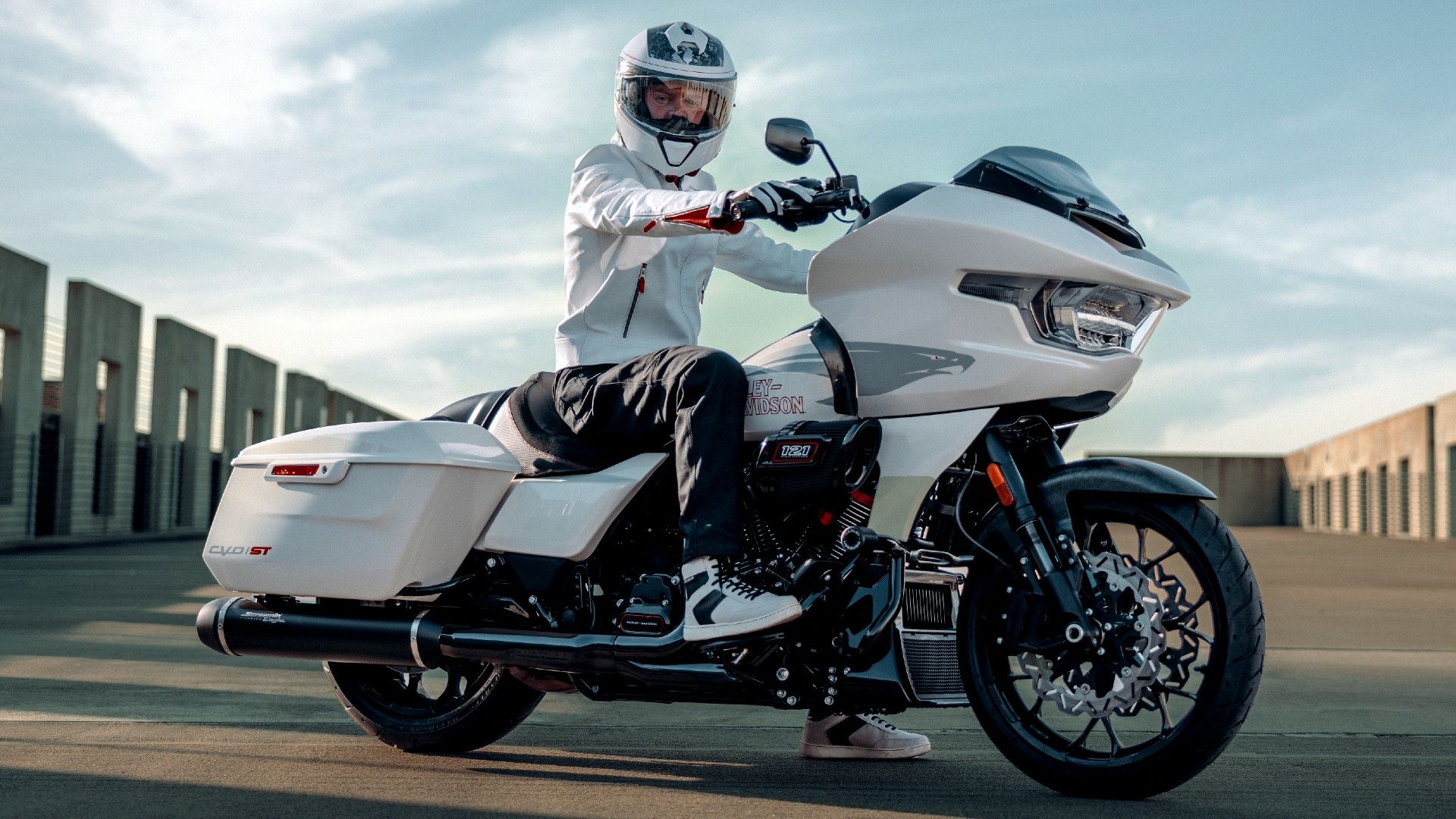
In recent years, the motorcycle industry has witnessed an explosion of specialized models. Riders with particular preferences increasingly gravitate toward machines that cater directly to their desires. For instance, the ascent of cruisers, adventure bikes, and naked bikes has diverted attention from the sport touring segment. The sheer excitement tied to off-road adventures, along with the laid-back aesthetic of cruisers, has mesmerized many riders. Can the sport touring motorcycle compete with such focused functionality?
2. Technological Advancements and Expectations
Today’s riders are more tech-savvy than ever, expecting cutting-edge features on motorcycles. The advent of electronic aids like traction control, cornering ABS, and ride-by-wire throttle systems has reshaped customer expectations. While some sport touring bikes have embraced these advancements, many have struggled to keep pace with the rapid innovation seen in dedicated sport or adventure bikes. Consequently, the perception of sport tours as static or outdated models has taken root. Is it possible that innovation fatigue has dulled their appeal?
3. Competition from Adventure Bikes
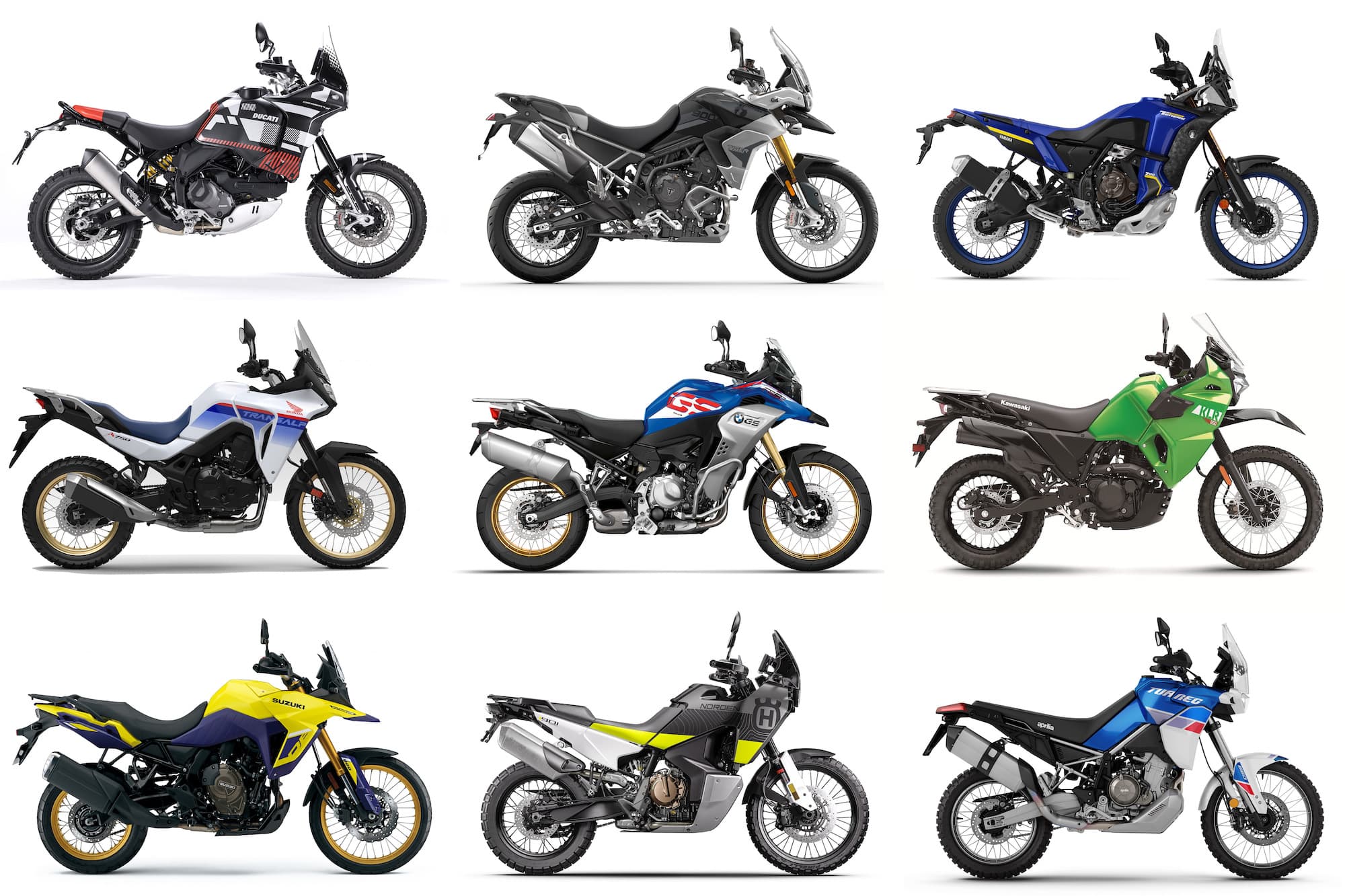
The rise of adventure motorcycles has undeniably taken a toll on sport touring models. Adventure bikes have expanded their appeal by offering a diverse riding experience, from daily commuting to rugged off-road excursions. With tall, capable suspensions, impressive cargo capacities, and advanced ergonomics, these machines occupy a space that was once the domain of sport touring motorcycles. For the ever-curious rider, the versatility of adventure bikes raises the question: can a sport touring model truly compete with this new breed?
4. Changing Rider Demographics
As younger generations enter the world of motorcycling, their preferences and needs differ significantly from those of their predecessors. The motorcycle culture of previous decades—characterized by long-distance touring—has transformed into one that often favors shorter jaunts, commuting, or thrill-seeking rides. As convenience and accessibility become more vital, the desire for a sport touring motorcycle may fade when it comes to prioritizing compact, lightweight machines that lend themselves to city riding. Have the desires and motivations of new riders rendered sport touring obsolete?
5. Economic Influences
The financial landscape has shifted dramatically, influencing purchasing decisions across the board. Rising costs associated with lifestyle and ownership often lead consumers to opt for bikes that align closely with their specific uses. Sport touring motorcycles, while practical, can often be on the pricier side when equipped with advanced features, leading potential buyers to reconsider. In times of economic uncertainty, will the sport touring segment evolve to cater to budget-conscious riders, or will it continue to flounder?
6. Industry Focus and Investment
Manufacturers allocate resources based on market demand, and as interest has waned, so too has the investment in sport touring models. With production lines focused on creating more lucrative options, the niche sport touring segment receives less attention. As fewer new models hit the market, the appeal diminishes further, creating a cycle that is challenging to escape. If companies ignore this segment, can it survive, or is it destined for the archives of motorcycle history?
7. Community and Lifestyle Changes
The motorcycle community has long thrived on shared experiences, camaraderie, and riding together. However, these social fabric threads have shifted. With more riders looking for community in smaller groups or even as solo adventurers, long-distance touring setups lose traction. When the culture surrounding motorcycles emphasizes weekend rides rather than extended journeys, sport touring motorcycles’ allure falters. How can manufacturers re-engage with a community that seems to have altered its collective mindset?
8. The Future of Sport Touring Motorcycles
The sport touring segment may very well be at a crossroads. To regain relevance, manufacturers must reimagine these machines. By incorporating modern styling, enhanced ergonomics, and advanced technology tailored to the more fleeting road adventures of the contemporary rider, sport touring bikes could reclaim their standing as the perfect all-rounder. With the right innovation and marketing strategies, could a resurgence be on the horizon, or will the sport touring motorcycle remain a shadow of its former self?
Ultimately, as trends ebb and flow in the motorcycle landscape, the narrative of sport touring motorcycles is a fascinating as it is complex. With shifting demographics, changing preferences, and evolving technologies, this segment’s journey poses questions that not only challenge the industry but also beckon riders to consider what they truly seek from their motorcycling experience.