Adventure touring has always held a certain allure—a call to traverse uncharted routes and embrace the spirit of exploration. Among the plethora of machines designed for this purpose, the Suzuki V-Strom 1000 stands tall, a venerable stalwart in the realm of adventure bikes. But how does the current iteration stack up against its 2012 predecessor? Does the ethos of adventure remain intact, or have innovations altered its very essence? Let’s embark on a comprehensive journey through the annals of the V-Strom saga to uncover these answers.
The Heritage of the V-Strom
Originally introduced in 2002, the V-Strom series has evolved through multiple generations, gaining a reputation as a robust, versatile machine. The 2012 V-Strom 1000 was a significant player in this evolution, celebrated for its blend of performance, comfort, and value. Characterized by its rugged aesthetics and functional design, this model resonated with enthusiasts and casual riders alike, providing an admirable balance for diverse touring escapades.
Design and Aesthetics: Then vs. Now
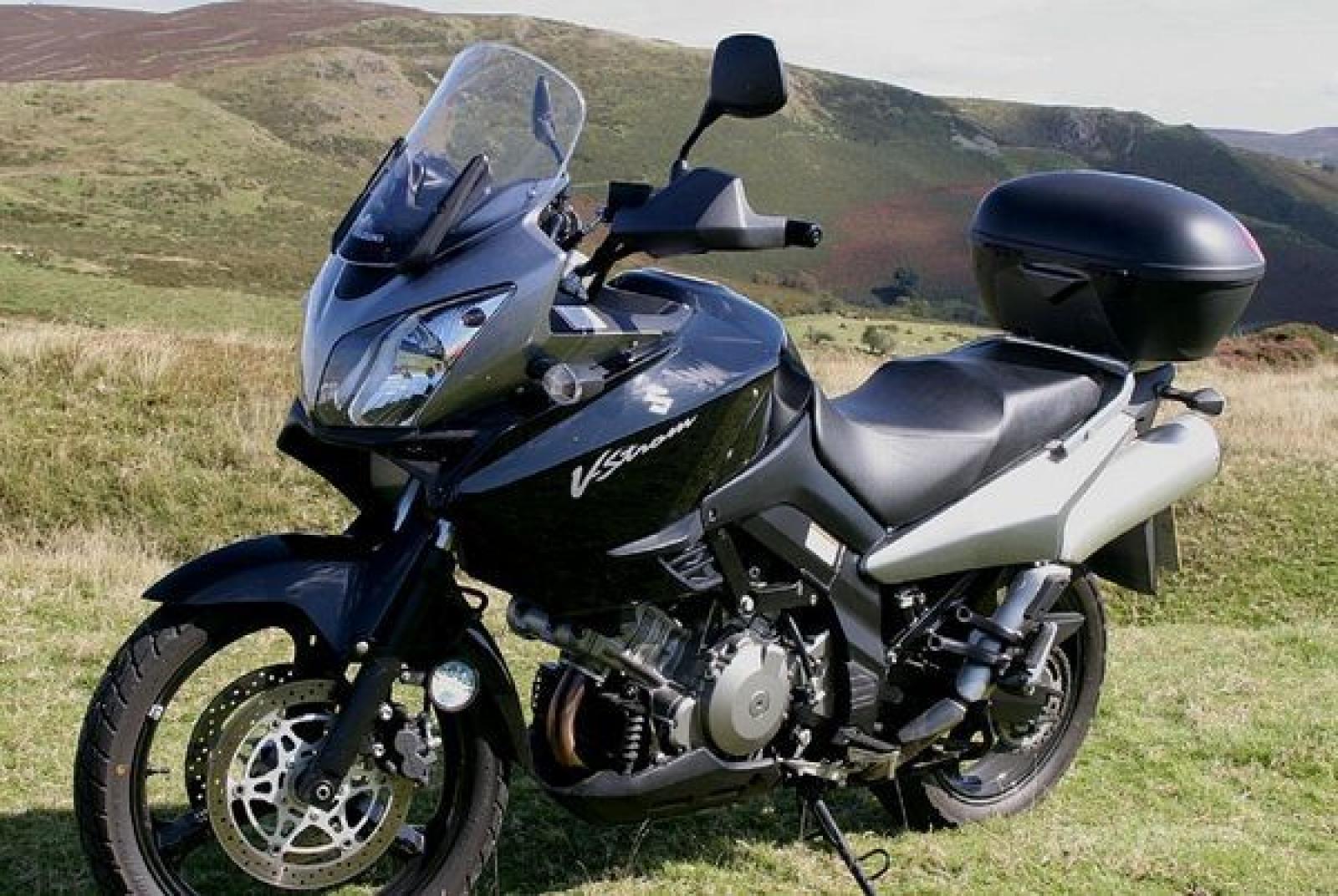
Comparing the 2012 model to the contemporary version reveals fascinating insights into Suzuki’s design philosophy. The 2012 V-Strom showcased a somewhat utilitarian appearance, with its bulbous silhouette and ample windscreen, prioritizing practicality over flamboyance. Its dual headlight design—a signature element—created a distinctive presence on the road.
In stark contrast, the latest V-Strom 1000 has undergone a metamorphosis. Equipped with sharper lines and modern LED lighting, it embodies a sleek, athletic character that aligns with current design trends. However, does this modernistic approach enhance the bike’s essence, or does it stray from the rugged charm of its predecessor? A playful inquiry arises—can style ever replace substance?
Performance Metrics: The Powertrain Evolution
At the heart of any motorcycle lies its engine, and the V-Strom series is no exception. The 2012 V-Strom 1000 debuted with a robust 996cc V-twin engine, lauded for its smooth power delivery and forgiving torque curve, suitable for both on-road cruising and off-road excursions. This confidence-inspiring engine proved itself time and time again, allowing riders to tackle varied terrains with aplomb.
Fast forward to the present: the latest V-Strom 1000 retains the same engine displacement but incorporates advanced technology, including ride-by-wire throttle systems and improved fuel injection. These enhancements yield a more responsive and efficient experience. Riders are greeted with a fine balance of raw power and refined control, initiating an epiphany—do these technological advancements genuinely elevate the ride, or could they detract from the primal connection once delivered by the 2012 model?
Comfort and Ergonomics: Riding Experience
Another crucial element of any adventure touring motorcycle is comfort, especially on lengthy voyages. The 2012 V-Strom 1000’s ergonomic design provided notable rider and passenger comfort, with a seat designed for long distances and adjustable windscreen height to shield against turbulent winds. This machine catered to those long-haul journeys, establishing itself as a staple in the touring community.
Conversely, the current iteration has taken comfort to new heights, quite literally in some respects. With better wind protection, a more adjustable seat, and enhanced suspension components, it aims to cater to the whims of the most discerning adventurer. However, with these upgrades, can the rider maintain that intimate connection with the road? Or do technical advancements bring a disconnect, hampering the visceral joy of riding?
Technology: From Basic to Advanced
In 2012, the V-Strom was equipped with standard instrumentation, presenting vital information such as speed and fuel levels. A justifiable approach for its time, but in an era where bikes are outfitted with cutting-edge tech, one might wonder how the latest model fares in this respect. The new V-Strom 1000 now boasts an impressive TFT display, integrated navigation, and optional electronic suspension systems that dramatically improve adaptability for various riding conditions. However, these advancements can invite skepticism—does the increase in technology complicate the rider’s experience?
Off-Road Capability: A Dual Nature
The V-Strom series draws its adventurous spirit from the inclination towards off-road touring. The 2012 model introduced admirable off-road capabilities, with a sturdy frame and adequate ground clearance to navigate less-desirable paths. This ruggedness championed the ethos of exploration, which attracted a dedicated fan base.
With the current version, Suzuki has tailored the bike to enhance its off-road prowess even further, including features that support traction control and adjustable riding modes. Yet, one faces a candid contemplation—does the advancement towards a more polished machine compromise the rugged utility appreciated by purists? Can a motorcycle evolve while retaining the raw essence that invites adventure?
Conclusion: The V-Strom Legacy
In an attempt to juxtapose the 2012 Suzuki V-Strom 1000 against its present-day counterpart, we discern a narrative of evolution. While innovations have undoubtedly refined various aspects of the motorcycle, enabling greater comfort and performance, questions about the preservation of the foundational spirit of adventure linger. Will today’s rider resonate with the advancements that promise a more convenient journey, or will the call of the untamed trails always beckon to those who appreciate the innate charm of simpler times?
As we reflect on the journey of the Suzuki V-Strom 1000, one thing remains clear: whether you choose to ride the 2012 model or its current incarnation, the essence of adventure and exploration lives on, inviting all who dare to seek the open road.