Motorcycle riding is not merely a hobby; it’s a lifestyle, a passion that intertwines with the rider’s very being. However, the experience can be significantly enhanced when your motorcycle is tailored for an ergonomic fit. Properly adjusted controls and optimized seating positions can mean the difference between comfort and agony on longer journeys. In this article, we explore a plethora of ergonomic modifications, ensuring that your ride feels like a cocoon of personalized perfection.
1. Understanding the Importance of Ergonomics
Before delving into specific modifications, it is essential to grasp the importance of ergonomics in motorcycling. An ergonomic setup minimizes strain on your body, allowing for improved posture, reduced fatigue, and an overall enhanced riding experience. When every control and component aligns seamlessly with your natural body mechanics, riding transforms from a chore into an exhilarating adventure.
2. Tailoring the Seat
Your motorcycle’s seat is the most direct contact point. An ill-fitting seat can lead to discomfort, especially during long rides. Consider the following options for tailoring your motorcycle’s seating:
- Custom Seat Foam: Opt for aftermarket seats that utilize higher-quality foams or gel inserts. These options conform to your body shape, providing unparalleled comfort.
- Seat Height Adjustment: Lowering or raising the seat height can dramatically change your reach to the ground and handlebars. Lowering it can enhance your confidence, while raising it can improve leg extension for taller riders.
- Seat Padding: Adding extra foam or gel padding can alleviate pressure points, especially during extended rides.
- Rider Backrest: An adjustable backrest can support your spine, encouraging a more comfortable, relaxed posture.
3. Adjusting the Handlebars
The handlebars are another critical aspect of ergonomic modifications. When they’re not properly positioned, riders often experience discomfort in their wrists, shoulders, and neck. Solutions include:
- Handlebar Risers: These allow for the elevation of handlebars, offering a more upright riding position suitable for touring.
- Different Handlebar Styles: Replacing your existing handlebars with options such as drag bars, ape hangers, or touring bars can customize not just height but also width and reach, ensuring a natural fit.
- Bar End Grips: Ergonomic grips reduce fatigue and provide a better tactile response, especially on longer rides.
4. Optimizing Foot Controls
Foot controls play a vital role in how comfortably you can manage acceleration, braking, and shifting. Address these modifications for peak performance:
- Rearsets: Adjustable rearsets move your foot controls rearward and upward, affording a sportier riding position while making it easier to handle the bike.
- Foot Peg Adjustments: Altering footpegs can improve leg position and reduce strain on your knees, allowing for a more relaxed ride.
- Shifter and Brake Pedal Extensions: These modifications can help accommodate longer legs or even shorter frames, ensuring an optimal reach.
5. Windshield Customization
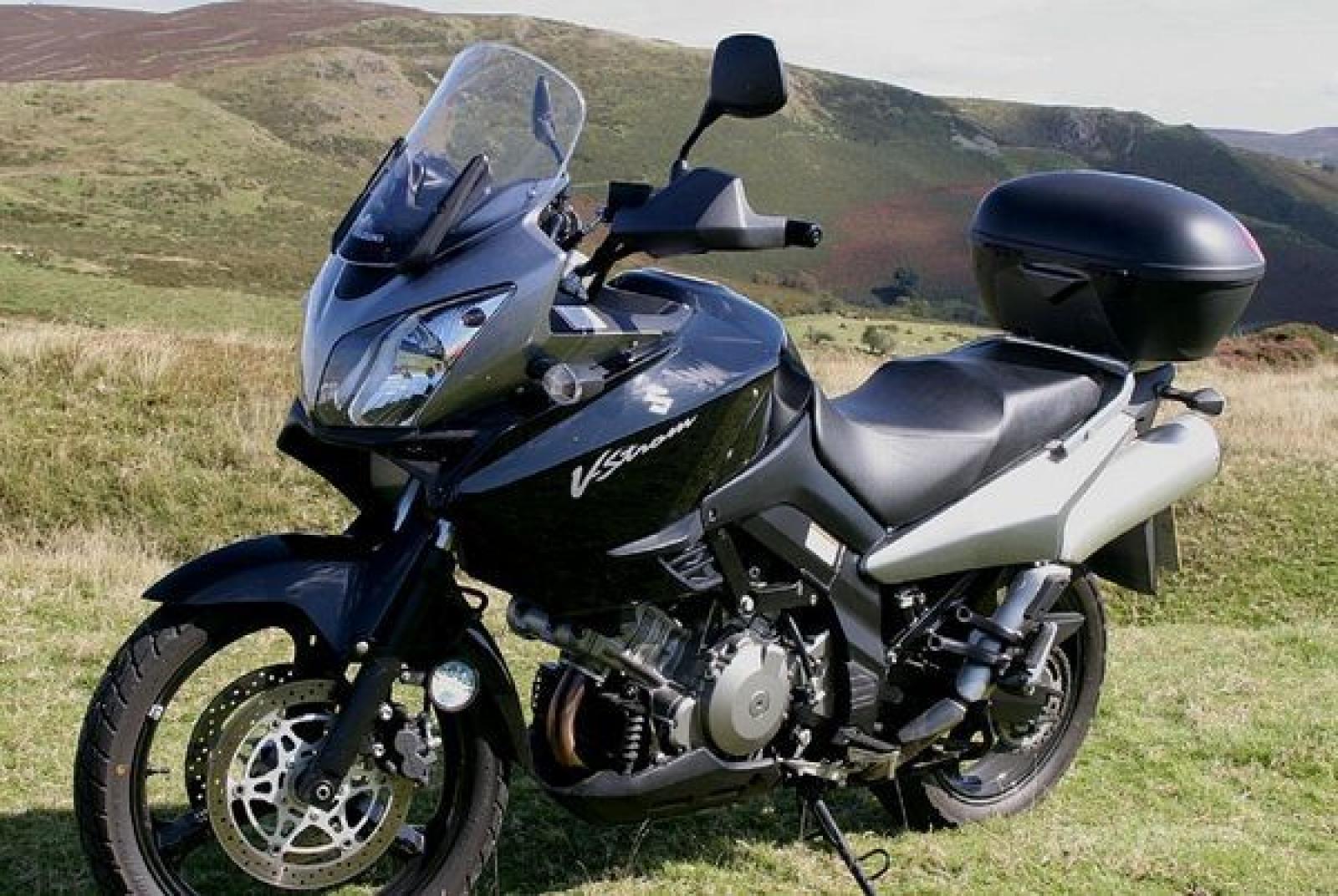
A properly fitted windshield not only enhances aesthetics but also plays a significant role in rider comfort and aerodynamics. Consider these options:
- Windshield Height: An adjustable or custom-height windshield can change how the wind hits your body, reducing fatigue and noise while improving stability.
- Clean Airflow: Selecting a windshield that directs air away from the rider helps maintain a tranquil, comfortable riding experience.
6. Clutch and Brake Levers
The levers you operate regularly can become sources of discomfort if they aren’t ergonomically suited for you. Consider modifications such as:
- Adjustable Levers: These give you the flexibility to change the reach and feel of the levers according to your hand size.
- Aftermarket Options: Many aftermarket levers provide better grip and ergonomics, reducing finger fatigue during operation.
7. Suspension Adjustments
Beyond just ergonomics, adjusting your motorcycle’s suspension can enhance its handling characteristics and comfort. Fine-tune your ride through:
- Spring Rate and Preload Adjustments: Changing these settings can ensure that your bike responds optimally to your weight and riding style, offering a smoother ride.
- Shocks: Upgrading to aftermarket shocks can improve ride quality significantly by absorbing bumps more effectively.
8. Comprehensive Fitment Assessment
Before implementing modifications, conducting a comprehensive fitment assessment is vital. Take time to evaluate your natural riding position, body dimensions, and the type of riding you plan to engage in. Utilizing tools such as templates, measuring tapes, or even professional fitting sessions can help you identify precise areas for adjustments. A balanced approach leads to effective modifications that harmonize with your riding style.
9. Consultation with Professionals
Don’t underestimate the benefit of seeking professional advice. Experienced motorcycle fitment specialists can provide invaluable insights and help pinpoint necessary adjustments. They can suggest components tailored to your needs, ensuring a transformation that redefines your riding experience.
10. Embracing the Ergonomic Community
Finally, embrace communities that cater to motorcycling ergonomics. Forums, local groups, and online platforms offer resources and shared experiences that can guide your modification journey. Learning from others who have tailored their bikes can provide inspiration and new ideas to optimize your ride further.
Tailoring your motorcycle through ergonomic modifications is a transformative endeavor, evolving an average riding experience into one that is perfectly sculpted to your body and preferences. Invest the time and effort into these adjustments, and you’ll find that the road ahead beckons with promise and pleasure.