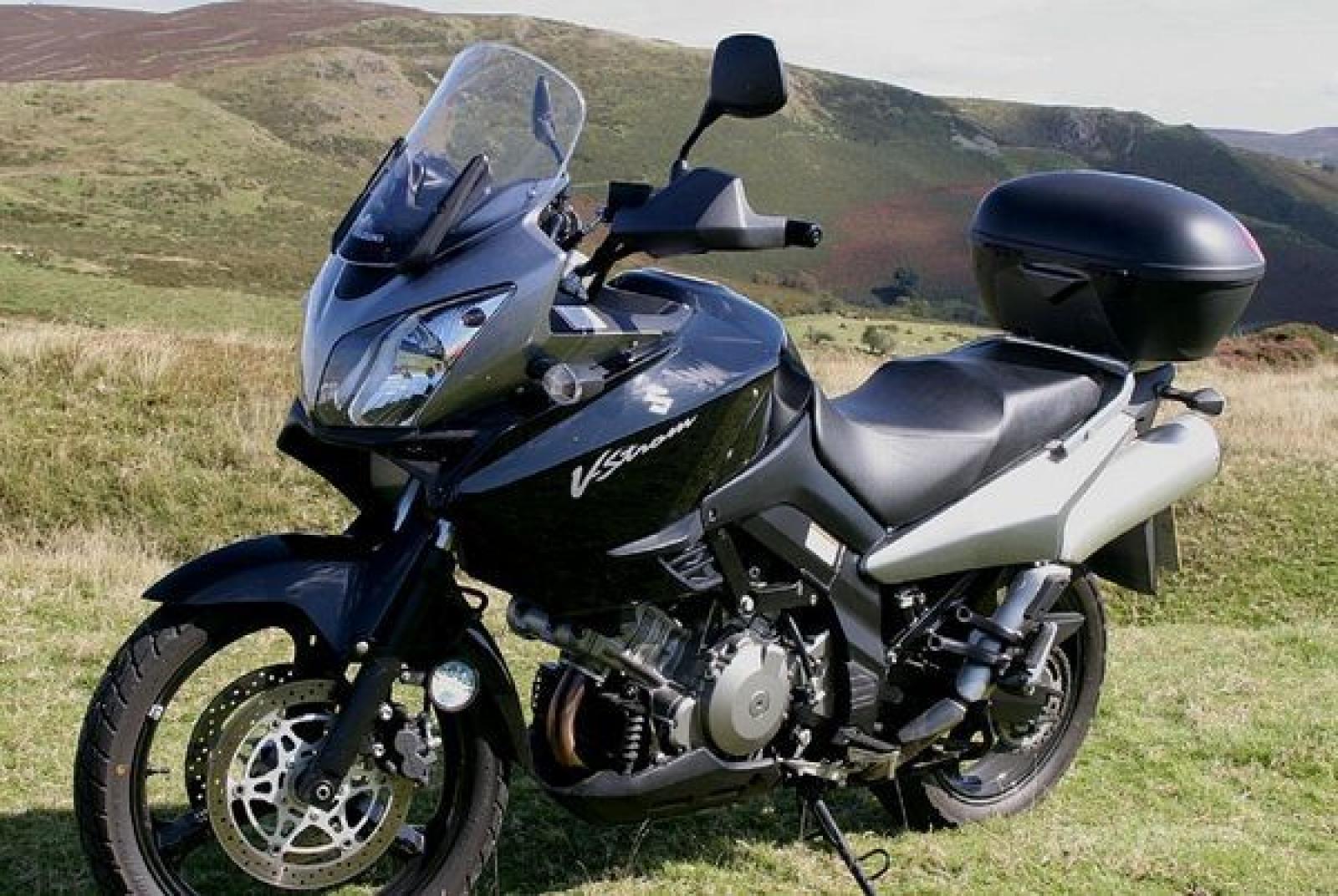
The motorcycle industry is a vibrant and ever-evolving arena, an amalgamation of engineering prowess, design ingenuity, and relentless competition among colossal brands. As the global market for motorcycles continues to expand, major manufacturers find themselves embroiled in a fierce contest for supremacy, each striving to carve out their niche while simultaneously appealing to an increasingly discerning customer base. This article seeks to unravel the intricacies of this adrenaline-fueled sector, exploring the strategies and dynamics at play.
To understand the business of motorcycles, one must first acknowledge the historical trajectory that has shaped the industry. Tracing back to the late 19th century, motorcycles initially emerged as simple mechanized bicycles. Fast-forwarding to the contemporary era, these machines have metamorphosed into powerful symbols of freedom and individuality, appreciated not only for their functionality but also their cultural cachet. The likes of Harley-Davidson, Honda, BMW, and Ducati dominate the landscape, each brand wielding unique attributes that appeal to diverse segments of riders.
As consumer preferences pivot toward sustainability and electrification, the motorcycle industry is not immune to the seismic shifts observed in various other sectors. Electric motorcycles, once viewed as novelties, are now gaining traction among eco-conscious riders and urban commuters alike. The advent of electric models results in profound ramifications for traditional gas-powered motorcycle manufacturers, compelling them to innovate or risk obsolescence. This shift highlights the dual challenge of meeting regulatory standards and consumer demand for greener alternatives.
Moreover, the competitive landscape is also being reshaped by technology. Manufacturers increasingly integrate advanced features into their offerings, from anti-lock braking systems (ABS) to sophisticated connectivity solutions enabling riders to access navigation and communication tools seamlessly. By prioritizing safety and enhancing rider experience, brands bolster their appeal and safeguard their market positions. The convergence of technology and motorcycles paves the way for increasingly smart bikes that promise higher efficiency and superior performance.
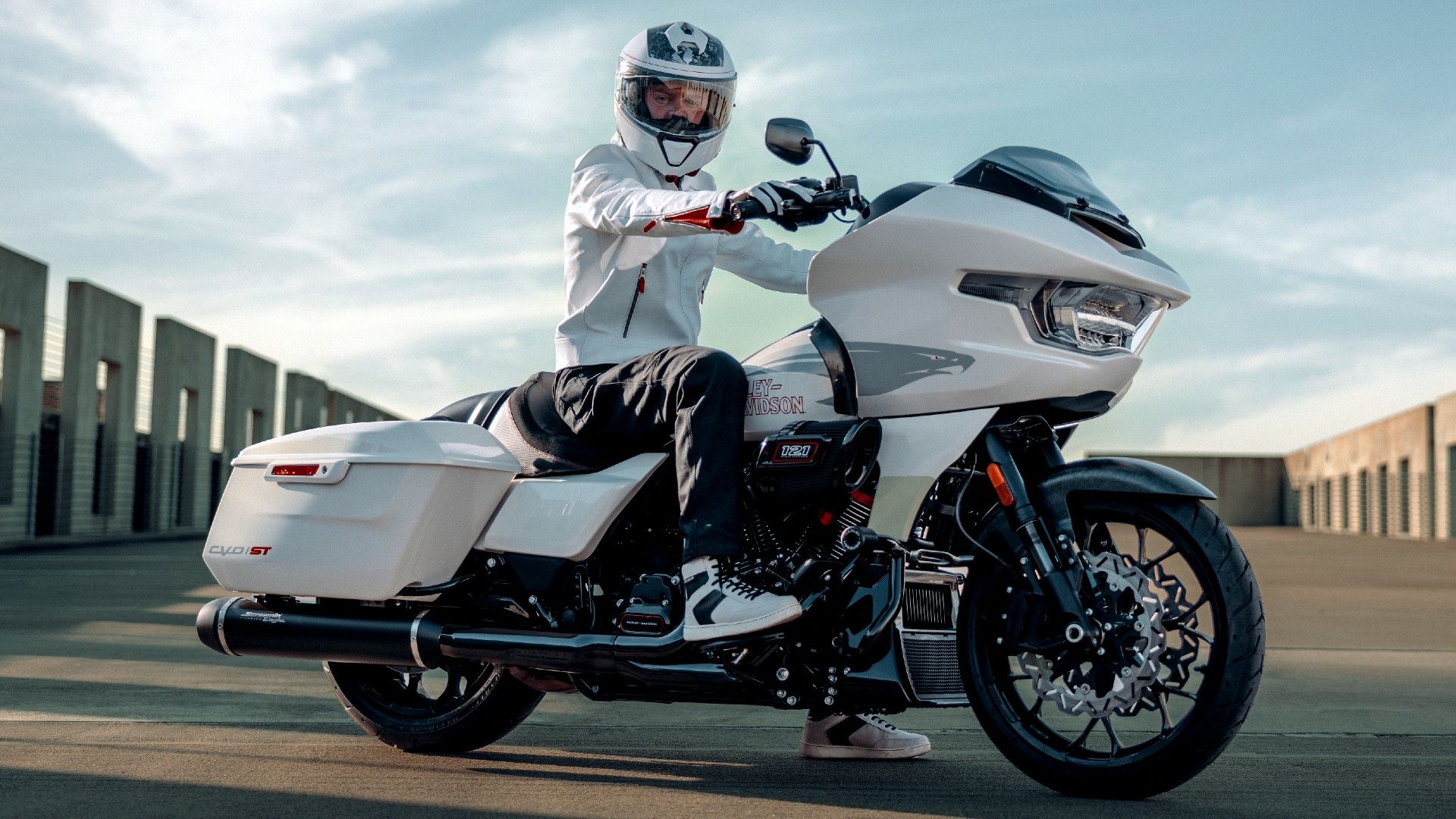
Brand loyalty in the motorcycle world is a phenomenon worth further examination. Renowned manufacturers have cultivated ardent followings, often transcending mere transactions to establish a lifestyle. This fervent allegiance is nurtured through compelling narratives, emotional marketing, and community engagement. For instance, Harley-Davidson’s ‘Brotherhood of Bikers’ is more than a tagline; it embodies a shared identity among riders that extends to events, merchandise, and experiences.
However, cultivating brand loyalty is a double-edged sword. While a loyal customer base is an invaluable asset, the increasing entry of new players can disrupt long-standing relationships. Start-ups and smaller manufacturers often adopt unconventional approaches that resonate with younger riders desiring authenticity and innovation. These emerging brands frequently adopt direct-to-consumer business models, stripping away intermediaries and thus reducing costs, all the while appealing to a generation that prioritizes transparency and immediacy.
As the global motorcycle market burgeons, geographical expansion plays a pivotal role in the competitive dynamics. Emerging markets in Southeast Asia and Latin America present lucrative opportunities for established brands, as rising disposable incomes correlate with a burgeoning middle class eager to embrace two-wheeled mobility. Herein lies the conundrum: manufacturers must tailor their strategies to accommodate local tastes, preferences, and purchasing power while still maintaining brand identity. The successful navigation of these waters requires nimbleness and cultural sensitivity.
Furthermore, the advent of digital marketing has fundamentally transformed the way brands engage with potential customers. Social media platforms have evolved into vibrant ecosystems where enthusiasts gather to share experiences and insights. This shift necessitates a recalibration of marketing strategies, prompting manufacturers to invest heavily in digital channels. Influencer partnerships, compelling content creation, and community engagement forge deeper connections, inviting the next generation of riders into the fold.
The motorcycle aftermarket also deserves attention, as it represents a significant revenue stream for many brands. Enthusiasts often seek customization options to personalize their rides, creating a thriving ecosystem of parts and accessories. Established brands are increasingly recognizing the potential of this segment, developing proprietary aftermarket products while fostering partnerships with established accessory manufacturers. This strategy not only serves to boost profits but also enhances customer loyalty by allowing riders to express their unique identities through their motorcycles.
The role of regulations and safety standards cannot be overlooked in this intricate dance of competition. Manufacturers must comply with an ever-growing multitude of regulations that vary significantly across regions. The complexity of adhering to differing environmental standards, safety requirements, and emissions guidelines creates hurdles, making it imperative for brands to stay agile and adaptive. This compliance aspect adds another layer to their strategic considerations, as failure to meet standards can result in hefty fines and damage to the brand’s reputation.
Lastly, as with any industry, external factors can introduce volatility. Economic downturns, supply chain disruptions, and geopolitical tensions can all impact production and distribution, creating challenges for even the most robust brands. Companies must be prepared not only to weather these storms but also to pivot strategically in response to changing market conditions—an exercise demanding foresight, flexibility, and innovation.
In conclusion, the business of motorcycles is an intricate tapestry woven from competition, consumer preferences, technological advancements, and evolving market dynamics. The major players are locked in a perpetual battle for market share, wielding creativity and adaptability as their weapons. Understanding these complexities offers invaluable insights into the future of the motorcycle industry, shedding light on how these iconic machines will continue to influence culture and society for generations to come.