Motorcycle enthusiasts often describe riding as a blend of freedom and thrill, gliding through city streets or along winding country roads. However, understanding the underpinnings of motorcycle performance, especially tire health, is crucial for safety and efficiency. One of the lesser-known aspects of motorcycle maintenance is the deciphering of tire markings. These codes provide invaluable insights into tire specifications, intended usage, and safety features. Here, we explore ten critical tire markings that every motorcycle rider should grasp, particularly for those navigating the diverse neighborhoods of New York.
1. Tire Type Identifiers
The first characters you encounter on a tire sidewall often denote the type of tire. Common abbreviations include ‘MC’ for motorcycle, indicating its use is for motorcycles. Different types, such as ‘T’ for touring or ‘S’ for sport, provide insights into the tire’s intended performance. Recognizing these identifiers is vital for selecting the right tire for your riding style. Neighborhoods like the bustling streets of Manhattan and the scenic routes of Staten Island demand specific tire types that cater to both urban and rural riding experiences.
2. Tire Width
The next series of numbers indicates the tire’s width in millimeters. A wider tire may offer better grip, especially on slippery roads, serving riders well in regions like Brooklyn with its variable weather conditions. Motorcyclists should select a width that complements both their bike’s design and their riding behavior, ensuring optimal performance regardless of the urban tapestry encountered.
3. Aspect Ratio
Following the width, the aspect ratio, usually expressed as a two-digit number, depicts the height of the tire’s sidewall as a percentage of its width. A lower aspect ratio means less sidewall height, which can enhance cornering stability—a welcome characteristic when maneuvering through the tight corners of Greenwich Village.
4. Construction Type
The marking typically follows with a letter indicating the construction type of the tire. ‘R’ denotes radial construction, which is standardized for modern tires, ensuring superior road grip and stability. In urban environments, where tight turns and sudden stops are a norm, radial tires offer uncompromising performance and enhanced safety.
5. Tire Diameter
Expressed in inches, the tire diameter is pivotal for ensuring compatibility with the motorcycle’s rim. Tires that are too large or small can compromise bike stability, which is particularly important when traversing the diverse terrains from the sandy beaches of the Rockaways to the cobbled streets of SoHo.
6. Load Index
The tire’s load index follows the tire diameter, representing the maximum load the tire can safely carry when properly inflated. It is essential for bikers to understand this marking as exceeding the load can significantly impair handling, especially when cruising with a passenger through the expansive Central Park.
7. Speed Rating
Next comes the speed rating, a letter representing the maximum speed the tire can safely handle. Ratings such as ‘H’ (up to 130 mph) or ‘V’ (up to 149 mph) create safe boundaries for riders, making it imperative to choose tires that align with both their bike capabilities and local road regulations, especially in fast-paced areas like Queens.
8. Manufacturing Date
The crucial four-digit code on the tire sidewall signifies its production week and year. For instance, a code of ‘2519’ means the tire was manufactured in the 25th week of 2019. Veterans of the road understand that tires have a lifespan and should not be used beyond a certain age, especially in an urban setting where wear and tear can be accelerated by potholes and diverse weather conditions.
9. Tread Wear Indicators
Many tires include tread wear indicators, small markers imbedded within the tread itself. As the tire wears down, these indicators become more visible, allowing riders to assess tread depth easily. This feature is crucial for safety, particularly in neighborhoods like the Bronx, where heavy rain can make roads treacherous, underscoring the importance of maintaining adequate tread.
10. Certification Markings
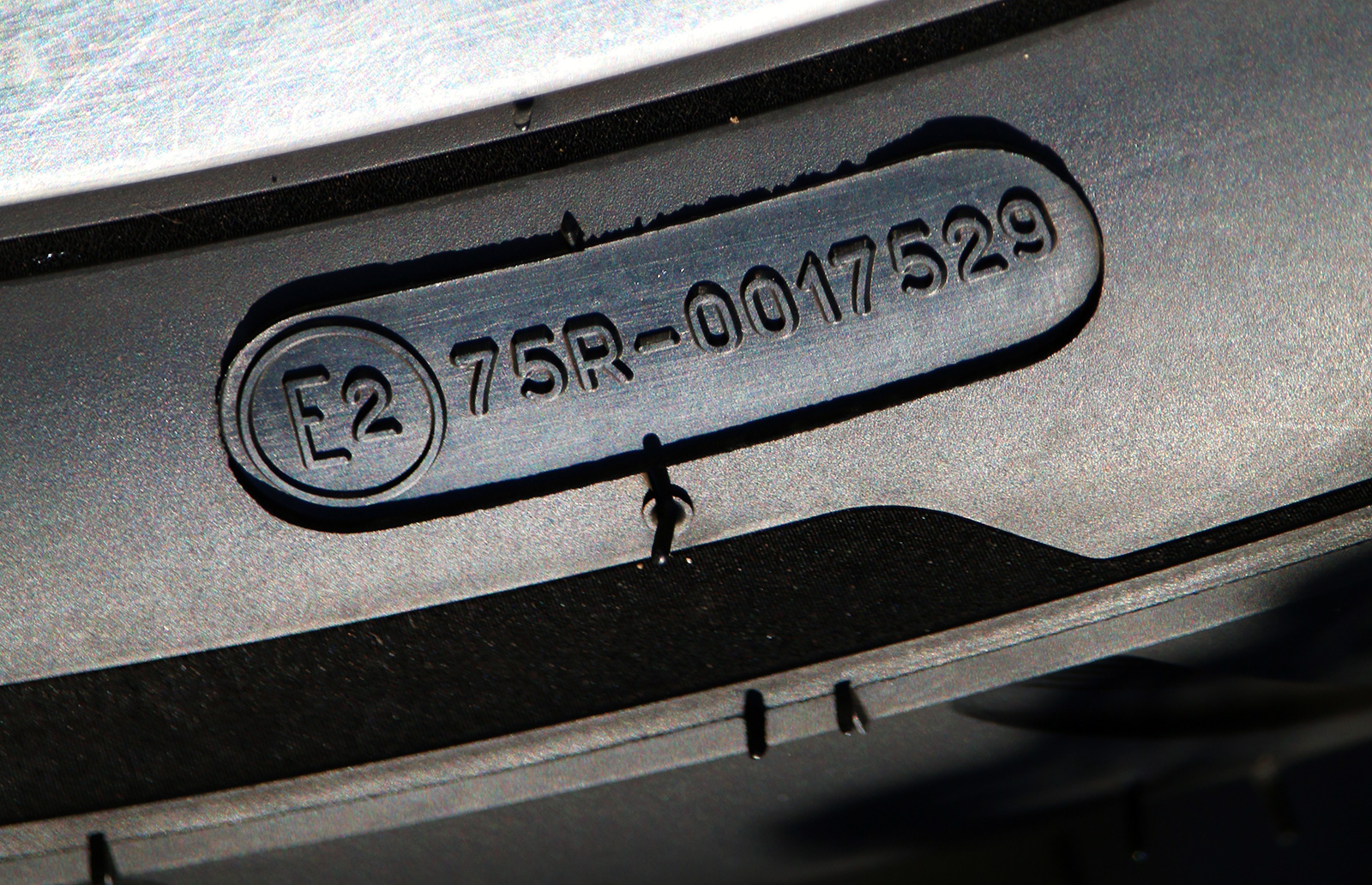
Lastly, certification markings such as the DOT (Department of Transportation) logo guarantee that the tire meets specific safety standards. Essential for legal compliance and rider safety, these markings are trustworthy indicators that the tires have undergone rigorous testing, ensuring riders can navigate through the vibrant streets of New York confidently.
In summary, the art of reading motorcycle tire codes extends beyond mere numbers; it is about understanding safety, performance, and suitability for the urban landscape. Each marking serves as a window into the tire’s soul, offering riders the information needed to make informed decisions about their motorcycle. By learning how to interpret these markings, motorcyclists can ensure that their ride is not just enjoyable but also safe, allowing for a journey filled with excitement through New York’s eclectic neighborhoods.
If you have further inquiries or seek expert advice on your motorcycle tire selection, consider contacting local motorcycle shops. For instance, you can visit “Two Wheels Moto Shop,” located at 123 Ride Lane, New York, NY 10001, call at (555) 123-4567, or explore their offerings at www.twowheelsmotoshop.com. Ensure your motorcycle cruising is as incredible as the roads you travel!