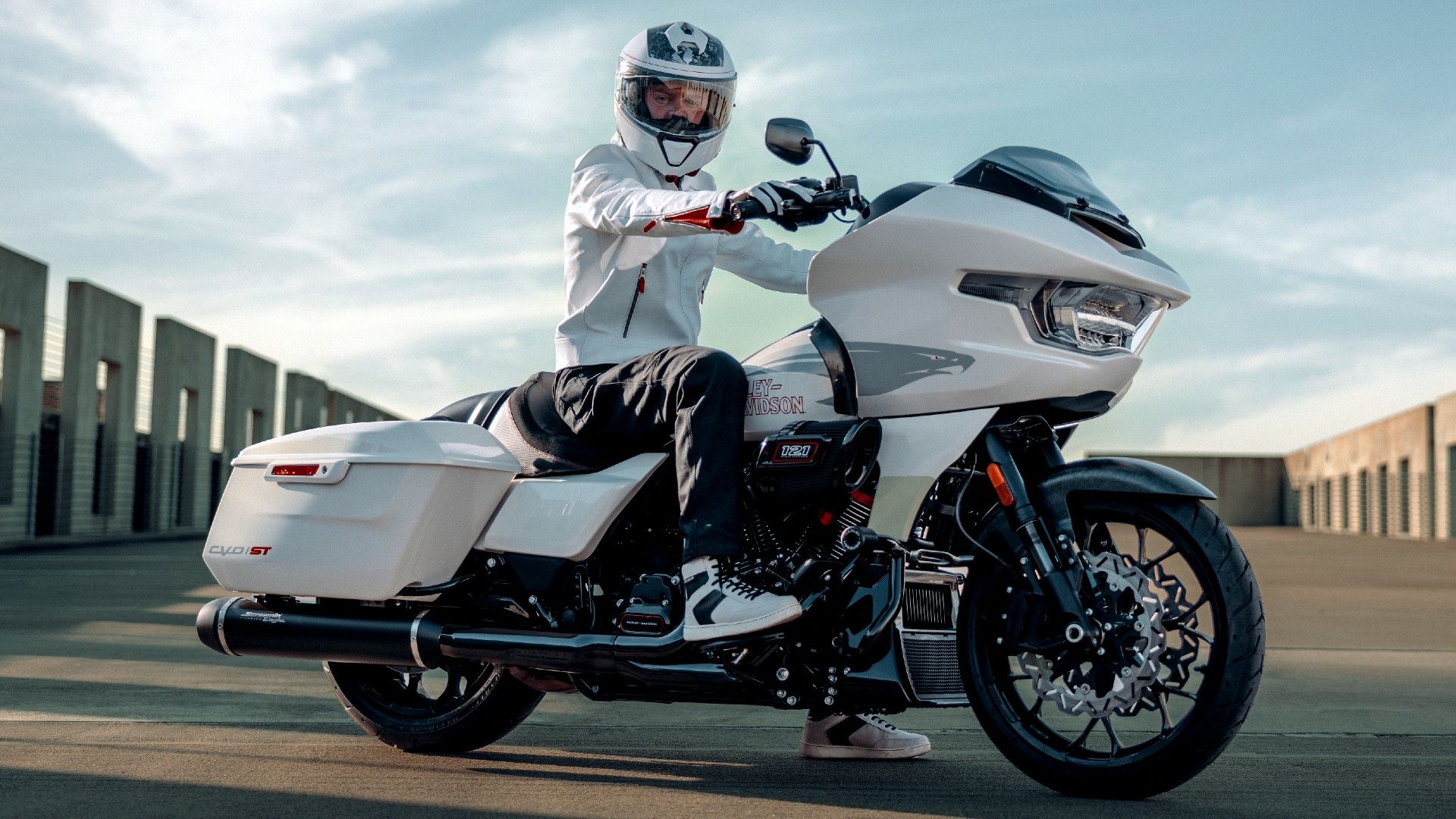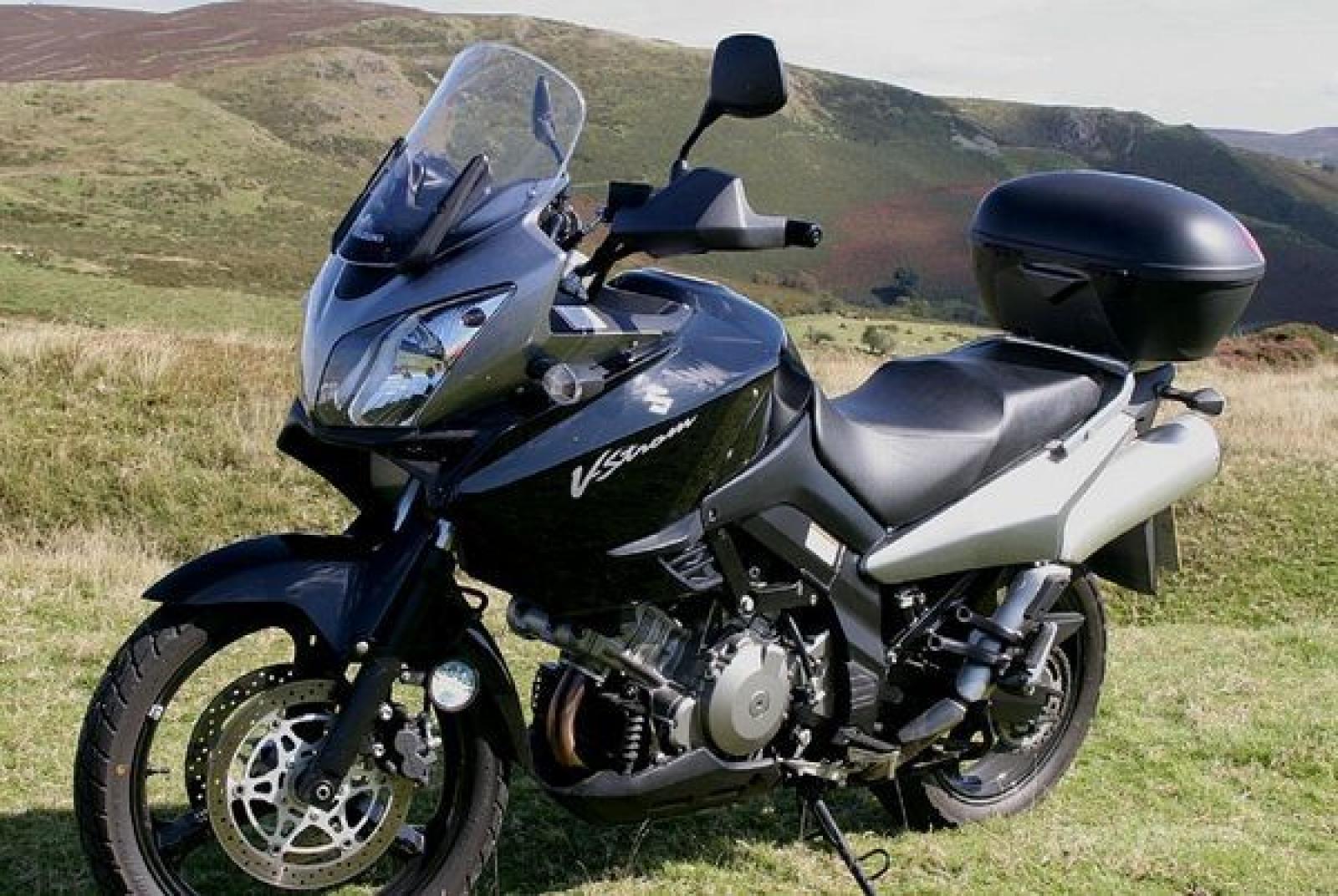
Riding a motorcycle through the vibrant streets of New York is akin to dancing with the rhythm of the city. The exhilaration of speed alongside the urban backdrop is an experience that most riders cherish. But have you ever pondered how race techniques can enhance your skill set on public roads? As we journey through this exploration, we pose a playful challenge: can you acquire the finesse of a racetrack rider while navigating the unpredictable terrain of a bustling neighborhood? Here, we delve into ten essential techniques that will empower you to elevate your street riding game.
1. The Art of Cornering
In racing, cornering is critical, and the same applies to street riding. Learn to lean into corners effectively, shifting your body weight in concert with the motorcycle. Identify tight curves, perhaps upon entering the stunning Central Park South (59th St, New York, NY 10019), where the inclined roads demand precise handling. Mastering this technique can help maintain speed while ensuring stability. The key? Look where you want to go, not at the ground beneath you.
2. Braking Techniques
While racing often involves aggressive braking, on the streets, smoother approaches usually yield better outcomes. Get accustomed to using both front and rear brakes in harmony to maximize stopping power without skidding. A visit to West 58th Street, near the iconic Time Warner Center (10 Columbus Circle, New York, NY 10019), offers an ideal scenario to practice your stops. The art of braking not only prevents mishaps but provides the confidence to face unpredictable situations.
3. Trail Braking
This advanced technique allows for controlling your bike’s speed and stability while entering a curve. By gently applying the brakes while leaning, you can adjust your line mid-corner. Venture down 9th Avenue, where the broad thoroughfare presents a haven for applying trail braking. The thrill of going deep into corners not only builds confidence but can lead to smoother rides through dense traffic.
4. Vision and Planning Ahead
In a race, anticipation is everything. Street riding is no different. Always keep an eye on the road ahead. Situational awareness is your ally; it allows you to anticipate potential hazards. Cruise through the bustling streets of Greenwich Village (corner of Washington Square Park) while using your vision to plan maneuvers, analyze traffic patterns, and create escape routes when necessary.
5. Throttle Control
Fine-tuning your throttle control translates to smooth acceleration and deceleration. In race scenarios, sensitive throttle modulation allows for faster exits out of corners. Apply this skill in the eclectic area of Williamsburg (Brooklyn, NY 11211) while dodging pedestrians, street performers, and food trucks. Mastering this technique will allow for seamless transitions in speed, adapting to the urban landscape’s dynamic flow.
6. Body Positioning
Racetrack riders make use of their body positions to improve handling, and commuters can benefit from this practice as well. Shift your weight appropriately when moving through traffic or negotiating a turn. Take a ride through the hairpin turns of the FDR Drive, where leaning into the turns enables sharper navigation and more control over your bike. A properly aligned body enhances ride comfort and responsiveness.
7. Quick Steering
Fast, precise counters are critical in both racing and street situations. By unlocking the technique of quick steering, you’ll be prepared for sudden course corrections. Practicing this skill on busy avenues like 6th Avenue (Avenue of the Americas), where unexpected stops and starts abound, ensures that you become an adept navigator, efficiently maneuvering out of tight spots.
8. Understanding Traction
On a racetrack, grip is predictable; on public roads, it can vary vastly. Be mindful of road conditions, especially after rain or during autumn when leaves blanket the ground. Travel through the historic streets of Harlem (Lenox Ave) to appreciate the nuances of your motorcycle’s tires’ touch with the pavement. Developing an instinct for traction can help avert slips and falls, transforming a ride into a safer journey.
9. The Importance of Positioning
Just as overtaking on a racetrack requires strategic positioning, so does navigating through the bustling streets. Maintain space around your bike, allowing room for maneuvering. Charging through the busy intersections near Grand Central Terminal (89 E 42nd St, New York, NY 10017) will put your positioning skills to the test. Remember, proper positioning improves safety and instills confidence in your riding abilities.
10. Communication with Other Riders
Effective hand signals and body language can prevent accidents and promote understanding among fellow riders and motorists alike. Engage in group rides to foster a sense of camaraderie while practicing communicating your intentions clearly. Join local motorcycle clubs, such as the New York Motorcycle Club (138 West 31st St, New York, NY 10001), where skilled riders collaborate and share knowledge. The art of communication elevates the overall riding experience, ensuring safety in numbers.
As we conclude this motley adventure through the techniques that blend racetrack training with street riding, we extend an invitation to embrace the challenge. Are you ready to transform the way you navigate New York’s eclectic neighborhoods? Implementing these skills fosters not only better riding but a deeper bond with the exhilarating world of motorcycling itself. Take these tips with you, explore the streets, and let the essence of riding guide your journey!