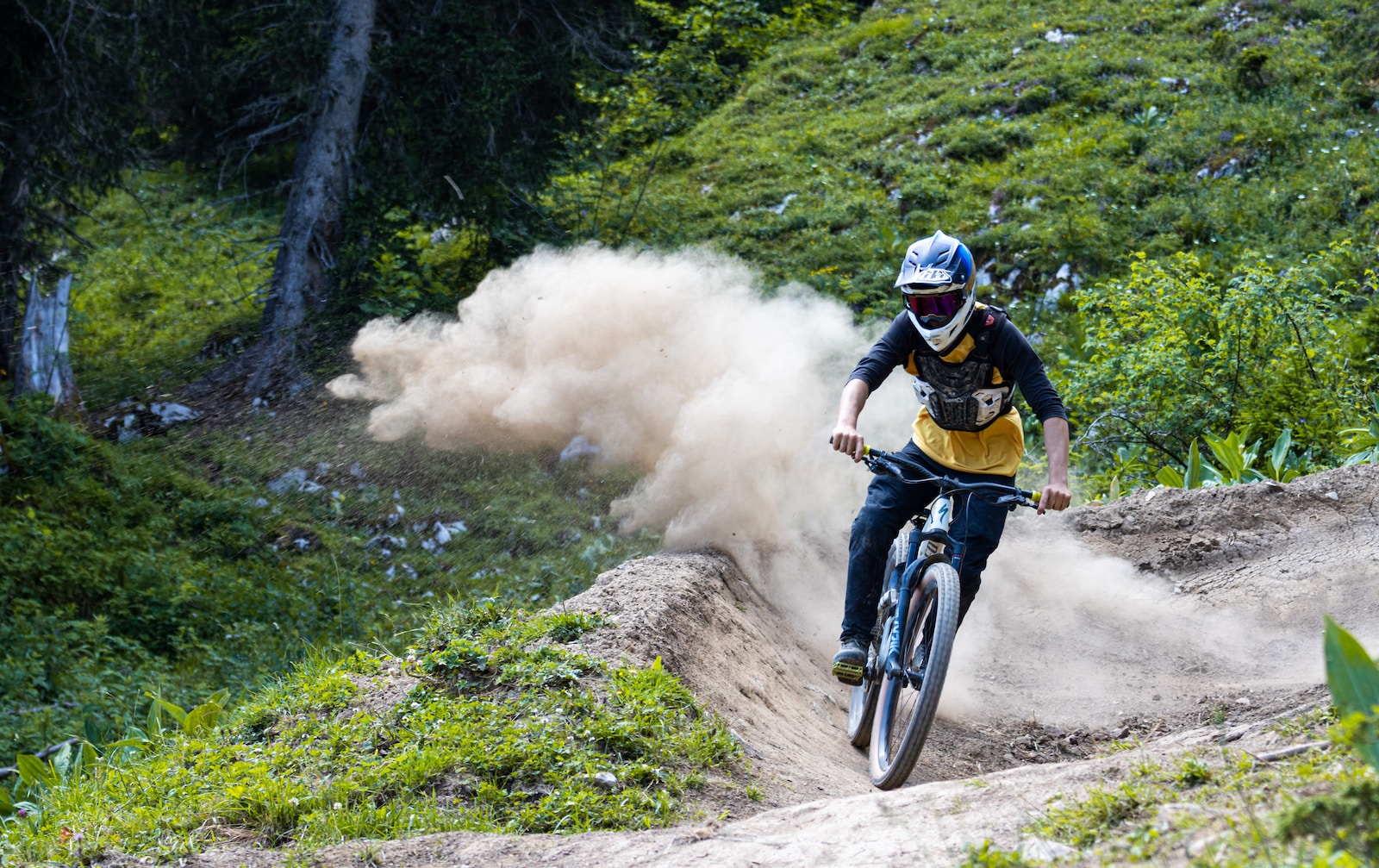
Riding a bicycle through the eclectic neighborhoods of New York can be an exhilarating experience, particularly when navigating loose terrain. Loose gravel, sandy paths, and unpredictable surfaces require a unique set of skills—a mastery that elevates the experience from mundane to marvelous. Whether you’re tackling the Bronx or the quiet streets of Staten Island, mastering the following ten trail riding skills will enhance your bike control and overall enjoyment.
1. Body Positioning
The foundation of effective bike control starts with your body positioning. Keeping your knees slightly bent and your elbows relaxed allows for better shock absorption from bumps on the trail. Distributing your weight towards the back of the bike when descending steep or loose sections will help prevent the front wheel from washing out. Strategic shifts in your center of gravity can turn challenging rides into enjoyable adventures.
2. Tire Selection
Choosing the right tires for loose terrain forms another integral aspect of trail riding. Tubeless tires with a larger volume and aggressive tread pattern provide better traction and help prevent flats—essential when hurtling over rocky paths. Consider brands available at local shops such as Adventures NYC, 237 East 72nd Street, New York, NY 10021, with a focus on quality components tailored for New York’s diverse trail conditions. Contact: (212) 249-2333, Website: www.adventuresnyc.com.
3. Brake Control
In loose terrain, mastering brake control is paramount. Utilizing both brakes judiciously yields optimal stopping power without losing traction. Practice gentle braking and avoid sudden inputs, which can cause skidding. Understanding how to modulate brake pressure will keep you safe and your bike upright, particularly when navigating rocky descents or steep inclines.
4. Cornering Techniques
Cornering on loose surfaces can be challenging; however, honing these techniques can significantly elevate your riding prowess. When approaching a turn, lean your bike into the curve while keeping your body upright. This allows the tires to bite into the loose material while your center of mass stays balanced. This technique emphasizes the critical balance between the bike and rider, ensuring a smooth exit with controlled speed.
5. Obstacle Navigation
Encountering obstacles is inevitable while riding in diverse neighborhoods. Whether it’s a protruding root, a modest rock garden, or a sudden dip, anticipation and quick reaction are vital. When approaching an obstacle, increase your speed slightly, lift your front wheel, and shift your weight back. This technique ensures you float over instead of crashing into forceful interruptions. Frequent practice in areas with natural obstructions will enhance these essential skills.
6. Momentum and Energy Management
Effective trail riding hinges on understanding momentum and how to maintain it through technical sections. Apply a consistent pedaling rhythm to sustain speed when facing loose terrain. Strategic use of downhill sections to gather momentum and carefully manage energy consumption on uphills will improve endurance, especially throughout longer rides in expansive parks like Van Cortlandt Park in the Bronx. Address: Van Cortlandt Park, Bronx, NY 10471.
7. Line Choice
Identifying the optimal line when traversing loose terrain is often the difference between an exhilarating ride and a frustrating one. Observe the trail closely to assess which path offers the best traction and the fewest obstacles. Choosing a wider line may avoid loose gravel or mud, providing a smoother experience. In densely wooded areas like Prospect Park, this skill becomes invaluable, transforming a moment of uncertainty into a seamless experience. Address: Prospect Park, Brooklyn, NY 11215.
8. Descending Skills
Descending on a loose surface can be intimidating for even seasoned riders, but building confidence in this area is key. Adjusting your body to a lower and more expansive stance when descending allows for improved stability and control. Leaning back while keeping your knees bent enhances your grip on the bike, reducing the potential for a fall while navigating steep declines.
9. Ascending Techniques
Riding uphill on loose terrain can be especially demanding but rewarding. Stay seated and maintain a steady cadence while increasing pedal pressure gradually. Shifting your weight slightly forward can prevent wheelspin, while a smooth pedal stroke is crucial for maintaining momentum. Understanding these subtle dynamics can turn arduous ascents into manageable climbs.
10. Trail Awareness and Etiquette
Finally, developing a keen awareness of trail conditions and etiquette is essential for safe and enjoyable riding. This includes understanding the layout of different neighborhoods and the potential hazards that may appear. Respect fellow trail users, yield to pedestrians, and maintain a safe distance from others. Familiarize yourself with common trail rules, especially in urban parks or popular cycling areas like Central Park. Address: Central Park, New York, NY 10024.
Mastering these ten trail riding skills will not only improve your bike control on loose terrain but also amplify your appreciation for the vibrant neighborhoods of New York. From tight cornering to the delicate balance of momentum management, each skill complements the next. As you hone these abilities, you’ll forge a deeper connection with the trails you traverse, enhancing the overall joy of the ride. So, gear up and embark on a journey through the diverse tapestry that New York’s neighborhoods have to offer.