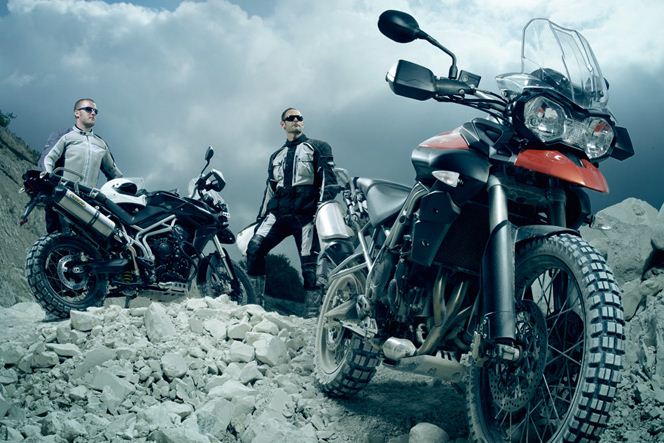
The Triumph Tiger 800 and its counterpart, the 800XC, epitomize the exhilaration of motorcycle adventure. Both models cater to riders who crave a spirited blend of on-road niceties and off-road capabilities. However, each variant has been meticulously engineered to suit different terrains, inviting enthusiasts to ponder: which one embodies the true spirit of adventure? This comprehensive analysis will delve into the essential differences that define the Triumph Tiger 800 and 800XC, exploring their design, performance, and riding experience.
Design Philosophy
At first glance, the Triumph Tiger 800 embraces a contemporary aesthetic, characterized by its assertive front fascia and muscular silhouette. While it boasts a refined, street-oriented demeanor, the 800XC adopts a more rugged appearance. The 800XC features a taller stance, suggesting its readiness for the unknown. With longer suspension travel and protective elements like handguards and a robust skid plate, it radiates an aura of endurance.
Attention extends to the ergonomics of both motorcycles. The Tiger 800 offers a comfortable and slightly lower seat height, making it approachable for a wide range of riders, while the 800XC elevates the seat slightly, accommodating more aggressive riding postures. Both bikes feature a generous gauge of technical instrumentation, but the 800XC incorporates an adventure-specific design, featuring information such as traction control settings and off-road riding modes.
Powertrain and Performance
Both models are powered by a 799cc inline-triple engine, a hallmark of Triumph’s engineering prowess. The engine delivers a hearty 94 horsepower and 58 lb-ft of torque, ensuring a spirited performance in both environments. The real intrigue lies in how this power is harnessed. The Tiger 800 showcases a smoother throttle response, making it more amenable to urban riding and spirited highway cruising.
Conversely, the 800XC is calibrated for a more rugged experience, possessing features like an adjustable ride-by-wire throttle and off-road riding modes. These specifications allow for greater adaptability on uneven surfaces, with enhanced traction control systems ensuring confidence on loose gravel or tricky trails. It is this sense of versatility that drives the fascination of adventurous spirits, who eagerly seek pathways unexplored.
Suspension and Handling
The suspension systems of these two machines further delineate their intended purposes. The Tiger 800 is outfitted with a sophisticated 43mm upside-down front fork, which provides a balanced and stable experience on tarmac. The back end, featuring a single shock setup, complements its road-oriented character. The handling is precise and agile, reflecting a bike that is equally at home navigating winding roads or darting through urban jungles.
Riding Experience: Comfort and Versatility
When it comes to the riding experience, both motorcycles present distinctly pleasurable rides but cater to disparate needs. The Tiger 800 is renowned for its comfort — it offers a plush seat that cradles the rider during lengthy journeys, supportive ergonomics, and a more upright riding position. Its street manners encourage long-distance travel and daily commuting with ease.
In contrast, the 800XC’s higher seat position and aggressive stance invite riders to adopt a thrilling attitude towards their adventures. While the comfort may diminish slightly over long stretches, the exhilaration of conquering uncharted trails compensates for this trade-off. This dichotomy raises an intriguing question about the very essence of adventure riding: is it truly about comfort, or is it the thrill of unbridled exploration that captivates the soul?
Technology and Features
Modern riders invariably seek technology that enhances their motorcycle experiences. Both models are equipped with advanced features such as ABS, traction control, and adjustable ride modes, yet they manifest these technologies differently. The Tiger 800’s focus leans more towards urban commuting, with rider-friendly displays and intuitive controls that emphasize convenience.
Meanwhile, the 800XC takes a bolder approach with features designed for adverse conditions. Its traction control system is more nuanced, accommodating diverse surfaces while the adventure-specific information display allows riders to make critical adjustments in real-time. Again, this invites contemplation about the technological advancements in the realm of adventure motorcycles: do riders yearn for integrated technologies that smoothen the ride, or do they crave the feel of raw control?
Conclusion: Choosing Your Adventure
In summation, the Triumph Tiger 800 and 800XC invite discourse about their chiseled identities—each appealing to a specific rider’s understanding of adventure. The Tiger 800 stands as an emblem of urban versatility, effortlessly merging style with performance for those who thrive on pavement. In contrast, the 800XC extols the virtues of ruggedness, challenging riders to immerse themselves in the untamed outdoors.
Ultimately, the question of which motorcycle triumphs over the other may not have a singular answer. Instead, it arises from the deeper motivations of each rider. Are we drawn to the sleek roads that reflect our urban lifestyles, or are we questing for dirt trails that echo the call of the wild? Each bike offers its unique pilgrimage into the human spirit’s multifaceted allure of adventure.