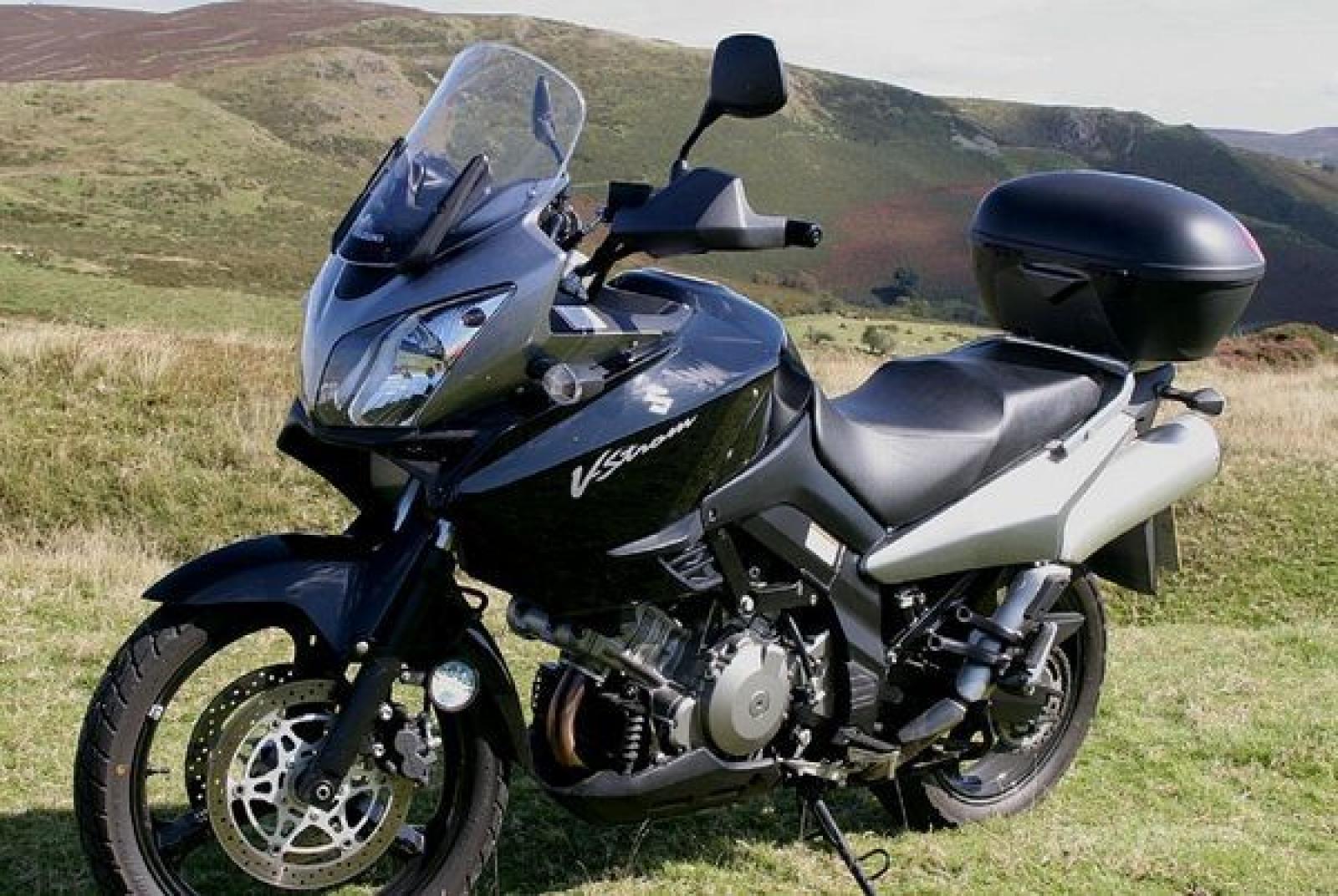
Imagine yourself gliding down a winding country road, the warm sun kissing your skin as you grip the leather handlebars of a vintage British motorcycle. The rhythmic thump of the engine resonates with the very essence of freedom. But wait—what if this idyllic scene was more than just a dream? What if riding one of these legendary machines could transport you through time, offering a glimpse into the rich tapestry of motorcycling history? Vintage British motorcycles are not just vehicles; they are two-wheeled time machines that invite you to explore the past while experiencing the thrill of the open road.
So, what makes these motorcycles so special, and why does every ride feel like a journey into yesteryear? Let’s delve into the ornate details and historical significance of these magnificent machines, while also contemplating a challenge: can today’s riders truly appreciate the blend of nostalgia and engineering that defines vintage British motorcycles?
The Charm of Vintage British Motorcycles
Vintage British motorcycles, often considered the epitome of motoring elegance, emerged during the golden era of the 20th century. The likes of Triumph, BSA, Norton, and Velocette crafted machines that respected tradition while pushing the boundaries of innovation. Each motorcycle tells a story—stories steeped in grit, perseverance, and an insatiable thirst for adventure.
What sets these classic motorcycles apart? For starters, their aesthetic appeal is undeniable. With organic curves, shiny chrome accents, and hand-stitched leather seats, they exude a certain charisma that captures the attention of even the most casual observer. But the allure goes beyond superficial beauty; it’s about the craftsmanship that has endured the test of time.
The Titans of Two Wheels
Let’s take a closer look at some of the titans of British motorcycle manufacturing. The Triumph Bonneville, perhaps the most iconic model, made its debut in the early 1950s. With its distinctive parallel-twin engine and minimalist design, it quickly became a symbol of the rebellious spirit of the era. Riders flocked to the Bonneville not just for its performance, but for the status it conferred as they raced through the scenic English countryside.
Conversely, we have the BSA Gold Star, a machine built for speed and precision. Its success on the racing circuit in the 1950s turned it into a household name. The thundering sound of its engine still echoes in the hearts of those who cherish its performance. Meanwhile, the Norton Commando presented a strong mix of raw power and aesthetic finesse, with its strong engineering and comfortable ride making it a favorite among enthusiasts.
The Emotional Connection
Beyond the specifications and models lies an emotional connection that many riders experience. This bond often goes unnoticed by those who are new to the motorcycle world. Riding a vintage motorcycle becomes a form of escapism, a way to commune with the ghosts of bikers who traversed similar paths decades ago. Whether you’re tackling curvy rural roads or cruising through bustling city streets, the connection to history becomes palpable.
But herein lies a challenge: can modern-day motorcyclists maintain that deep emotional resonance with bikes that require greater maintenance and possess markedly different handling characteristics than their contemporary counterparts? Today’s riders often benefit from advanced technology—anti-lock braking systems, fuel injection, and electrical ignition systems—all of which make for an easier ride. The question emerges: will this dependence on modern conveniences overpower the visceral thrill of riding a vintage motorcycle?
The Mechanics of Nostalgia
Moreover, owning and riding vintage British motorcycles entails dedicated passion—yes, labor. Keeping these machines running requires mechanical expertise and frequent maintenance. For those with a penchant for tinkering, the experience can be immensely rewarding, akin to a painter before a blank canvas. It involves understanding the subtleties of old-fashioned carburetors, magneto ignition systems, and even the charming quirks of these older motorcycles.
This commitment often leads enthusiasts to join vibrant communities that celebrate their shared passion. Vintage motorcycle clubs serve as thriving ecosystems, where aficionados swap stories, parts, and camaraderie, each member potentially leading you down a path of intriguing history and knowledge that you didn’t even know existed. As you connect with like-minded individuals, the question of whether modern riders can appreciate vintage craftsmanship becomes less daunting; instead, it transforms into an opportunity to forge new friendships and camaraderie.
The Joy of Ownership
Finally, let’s not forget the intrinsic joy that comes with ownership. There’s a unique pleasure derived from lovingly polishing the petrol tank or carefully restoring a vintage machine to its former glory. Owning a vintage British motorcycle cultivates a bond that transcends mere transportation; it transforms into a lifestyle, rewarding owners with pride and fulfillment.
Each bike has a history, and every ride contributes to an evolving narrative. As the sun sets and you park your joyous steed, one can’t help but reflect on the moments spent riding, the curious glances from passersby, and the heartfelt conversations encountered along the way.
A Journey Both Enduring and Timeless
In conclusion, vintage British motorcycles offer an extraordinary portal into history—a juxtaposition of engineering prowess, artful design, and emotional resonance. These machines not only capture the spirit of a bygone era but also create opportunities for modern riders to challenge themselves and forge connections. While navigating the complexities of maintenance and mechanical care may seem daunting to some, the rewards of ownership—both personal and communal—are undoubtedly worth the effort. So, are you ready to embrace the challenge and ride your very own two-wheeled time machine?