The sheer scale of a 10,000-gallon fuel tank often evokes a mixture of practicality and awe, stirring curiosity about its dimensions, capacity, and myriad industrial applications. Such tanks not only serve as essential reservoirs in petroleum storage networks but also symbolize human ingenuity in managing vast quantities of volatile fuel with precision and safety. Delving into the various facets of a 10,000-gallon fuel tank reveals a fascinating interplay of design, material science, and engineering principles that culminate in a reliable storage solution tailored to stringent industry demands.
At first glance, the numerical value—10,000 gallons—is daunting. Visualizing the volume alone triggers imagination, prompting questions about the physical attributes of the tank, including its height, diameter, and footprint. The dimensional breakdown is pivotal; it determines compatibility with installation environments, transportation logistics, and operational maintenance. Typically, 10,000-gallon tanks come in cylindrical shapes, either vertical or horizontal, fashioned from carbon steel or other high-grade materials, chosen for durability and resistance to corrosion.
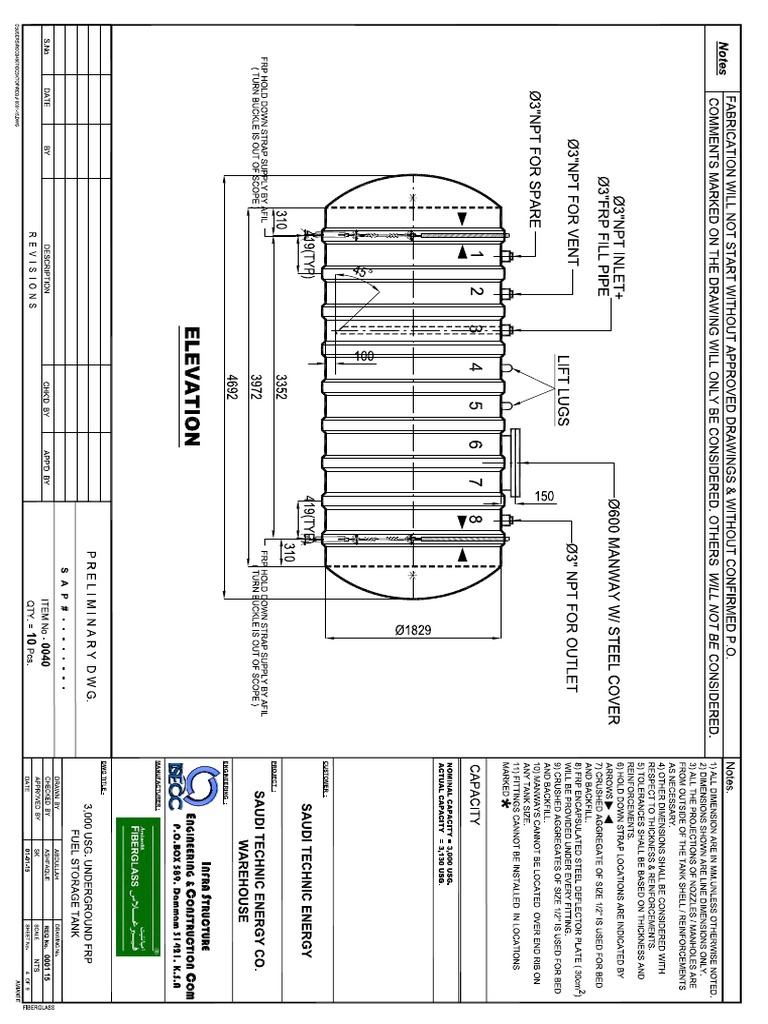
Common dimensions for a horizontal 10,000-gallon tank hover around 30 feet in length and 8 feet in diameter; however, these figures fluctuate based on manufacturer specifications and intended use cases. Vertical tanks vary similarly, often taller with smaller footprints to optimize space in confined areas. These tucked-in silhouettes enable their adoption across diverse industries, from agricultural fuel storage to emergency power supply stations. Understanding these dimensions fosters deeper appreciation of the tank’s engineering complexity and spatial demands.
Aside from physical measurements, the tank’s volumetric capacity beckons a granular level of analysis. Since fuels expand and contract with temperature fluctuations, the actual usable volume can vary significantly throughout seasons. Industry protocols integrate these thermal expansion factors by incorporating ullage—available void space in a tank—to prevent overfilling and consequent hazards. A 10,000-gallon tank, thereby, might have an operational volume slightly less than its nominal capacity to accommodate safety margins and thermal dynamics.
The fascination with such tanks is not merely academic but rooted in their critical role in energy logistics. Large fuel tanks act as bulwarks against supply chain interruptions, storing vital reserves that buffer against market volatility or emergency shortages. Their staggering capacity allows for economies of scale, reducing the frequency of deliveries and minimizing operational costs. Consequently, if one were to chart the economic impact of 10,000-gallon tanks across sectors, the results would underscore their indispensable contribution to sustained energy availability.
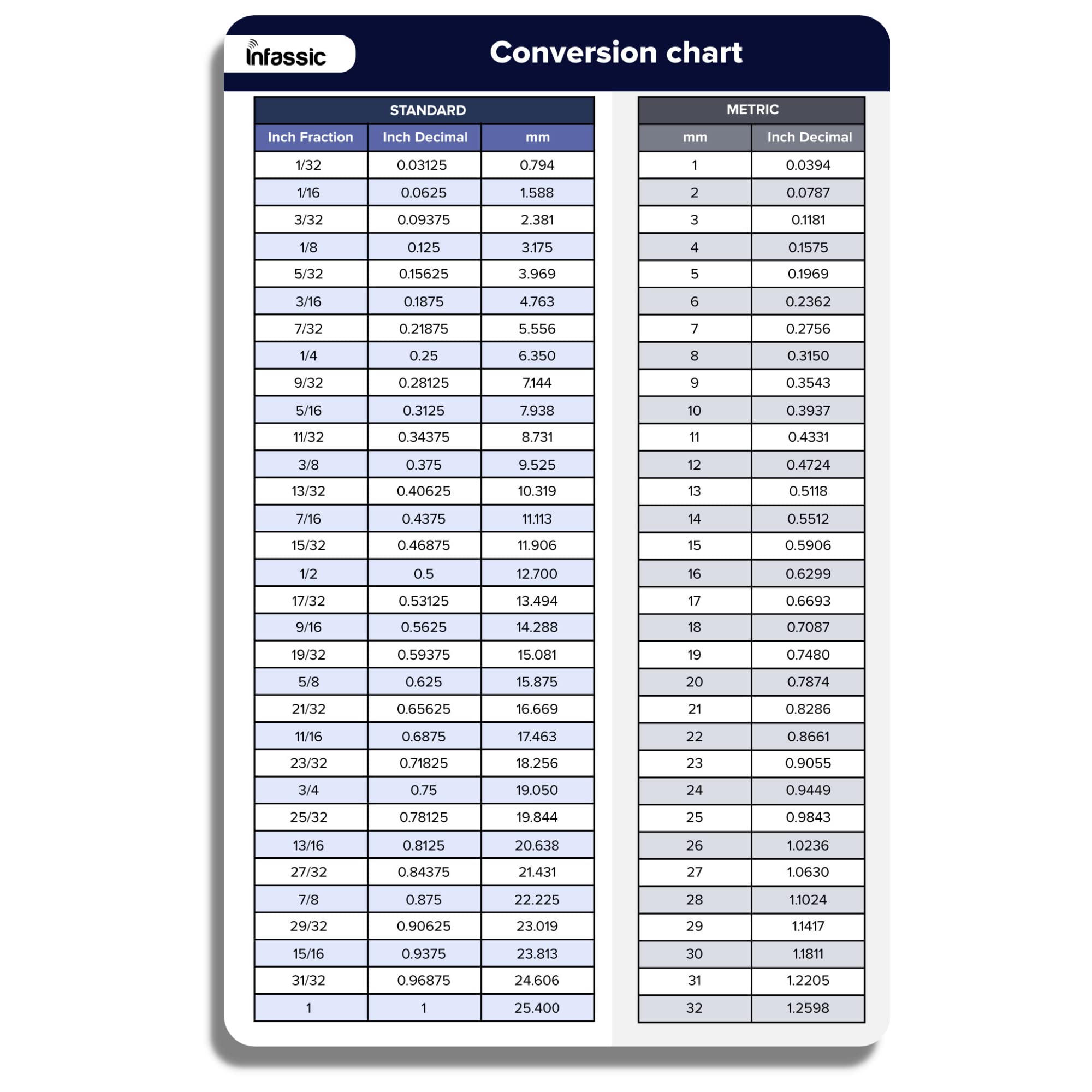
Examining the tank chart for a 10,000-gallon model reveals intriguing correlations between height and diameter governed by volume formulas. The classic formula for cylindrical volume, V = πr²h, confirms how adjusting radius or height resizes the tank while maintaining the same storage capacity. Such calculations are far from mundane; they influence structural integrity, pressure distribution, and even installation feasibility. In some configurations, increasing height reduces ground space but may complicate access and maintenance, while broader tanks simplify inspection but demand more site area.
Beyond volume and dimensions, material selection commands significant attention. Steel remains the material of choice for its strength and resilience, augmented by protective linings to combat corrosion from fuel exposure and environmental elements. Some tanks integrate double-wall constructions, wherein an outer shell acts as a secondary containment barrier, mitigating environmental risks in the event of leaks or spills. This layered approach instills confidence in compliance with stringent environmental regulations and fosters sustainability in fuel storage practices.
Another key aspect often overlooked in discussions about 10,000-gallon fuel tanks is their instrumentation and monitoring technology. Equipped with advanced sensors and telemetry systems, these tanks provide real-time data on fuel levels, temperature, and pressure, enabling operators to anticipate maintenance needs and prevent accidents. The synergy between robust physical design and intelligent monitoring exemplifies modern engineering’s commitment to safety and efficiency, making these tanks not just passive storage units but active components in energy management.
Furthermore, the transportation and installation of such sizable tanks involve meticulous planning and precision execution. Moving a 10,000-gallon tank demands specialized trailers, coordinated logistics, and adherence to safety protocols to prevent damage. Installation technicians must ensure proper foundation design, anchoring, and grounding to withstand environmental stresses like wind or seismic activity. These considerations underscore the multifaceted expertise required to ensure a tank’s longevity and performance post-deployment.
The enduring captivation with 10,000-gallon fuel tanks also stems from their symbolic magnitude—embodying humanity’s ambition to harness energy and shape environments. They represent more than mere containers; they embody the promise of power, readiness, and resilience. For industries reliant on continuous fuel supply, these tanks underpin operational continuity and strategic planning. Their presence prompts a reflection on the delicate balance between technological prowess and safety imperatives that define modern fuel storage.
In summation, a 10,000-gallon fuel tank chart is more than a collection of numbers and dimensions; it is a window into the complexities of large-scale fuel storage that seamlessly combines mathematical precision, material science, and regulatory compliance. From physical dimensions shaping installation possibilities to advanced monitoring technologies ensuring operational security, every facet of these tanks reveals layers of thoughtful design and engineering excellence. Appreciating these intricacies enriches understanding and fosters a respect for the robust infrastructure quietly powering industries and communities alike.