The 1968 Harley-Davidson Electra Glide remains an enduring emblem of American motorcycling heritage, a motorcycle that has transcended decades to maintain its legendary status. This iconic machine is more than just a mode of transportation; it is a moving testament to an era defined by mechanical ingenuity, cultural revolution, and a deep-rooted passion for the open road. Enthusiasts and collectors alike regard the 1968 Electra Glide as a paragon of craftsmanship, design, and performance, distinguishing it as a definitive model within Harley-Davidson’s storied lineage.
Delving into the intricate specifics of the 1968 Electra Glide reveals a machine that harmonizes power, style, and comfort. At its core lies the venerable Shovelhead V-twin engine, a 1200cc powerhouse that balances raw torque with smooth delivery. The Shovelhead engine, named for its distinctive, shovel-like rocker covers, represented a significant technological leap from its predecessors, providing riders with improved reliability and performance. This engine’s distinctive rumble is a song synonymous with freedom on two wheels, an aural signature that commands attention wherever it roars to life.
One must not overlook the Electra Glide’s groundbreaking introduction of electronic ignition and an electric starter in 1968, crucial innovations that revolutionized rider convenience. Prior to this, kick-starting a heavyweight motorcycle demanded considerable physical exertion and dexterity. The electric starter reduced the barrier between motorcycle and rider, expanding accessibility while underscoring Harley-Davidson’s commitment to evolving technology without compromising the traditional riding experience.
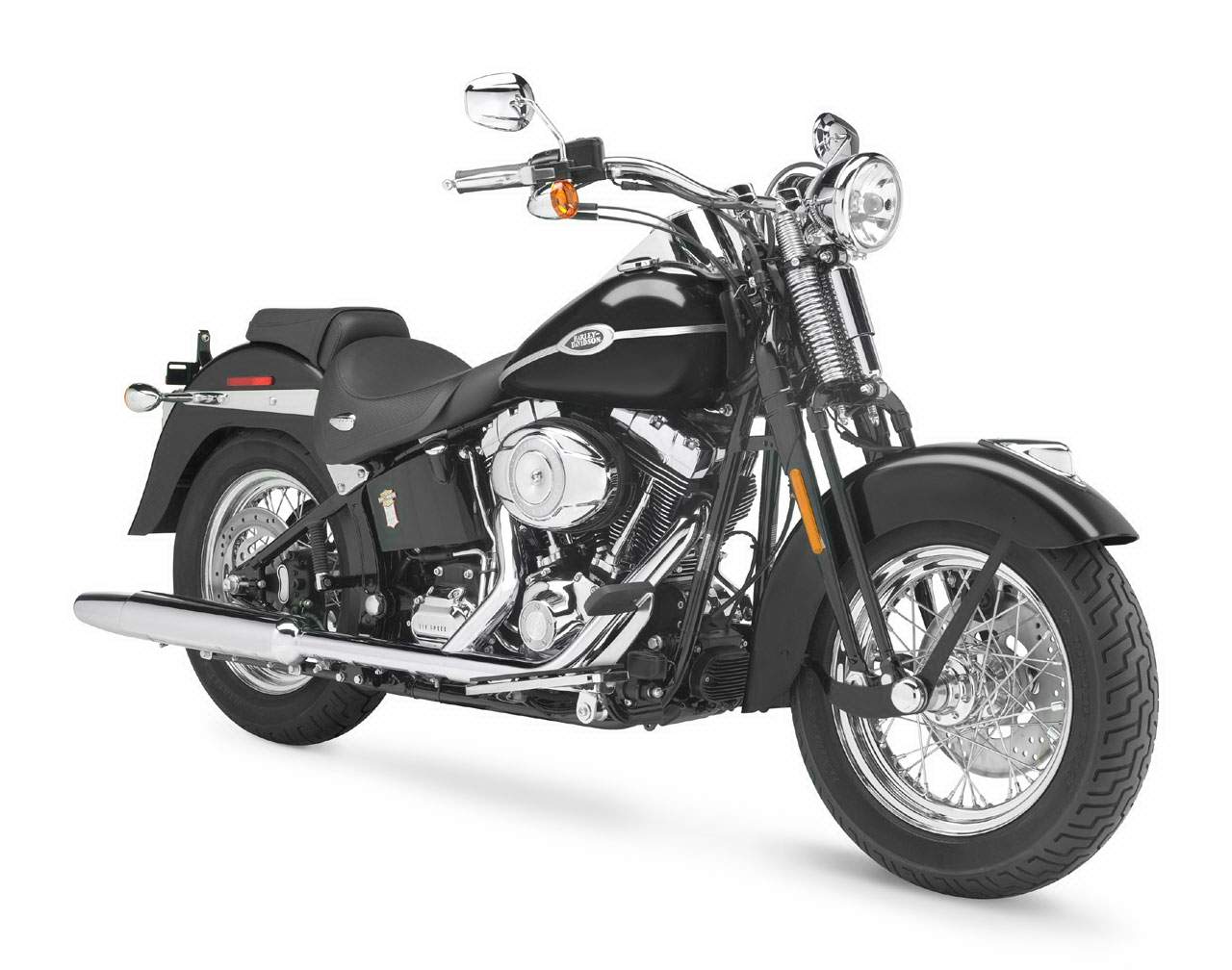
The Electra Glide’s chassis is a study in heavyweight touring design, purpose-built for comfort and endurance. Its signature telescopic front forks and robust suspension system absorb the undulations of long highway stretches, granting the rider the ability to traverse vast distances with minimal fatigue. The frame’s intrinsically stable geometry contributes to a confident ride, indispensable for enduring the rigors of open-road exploration.
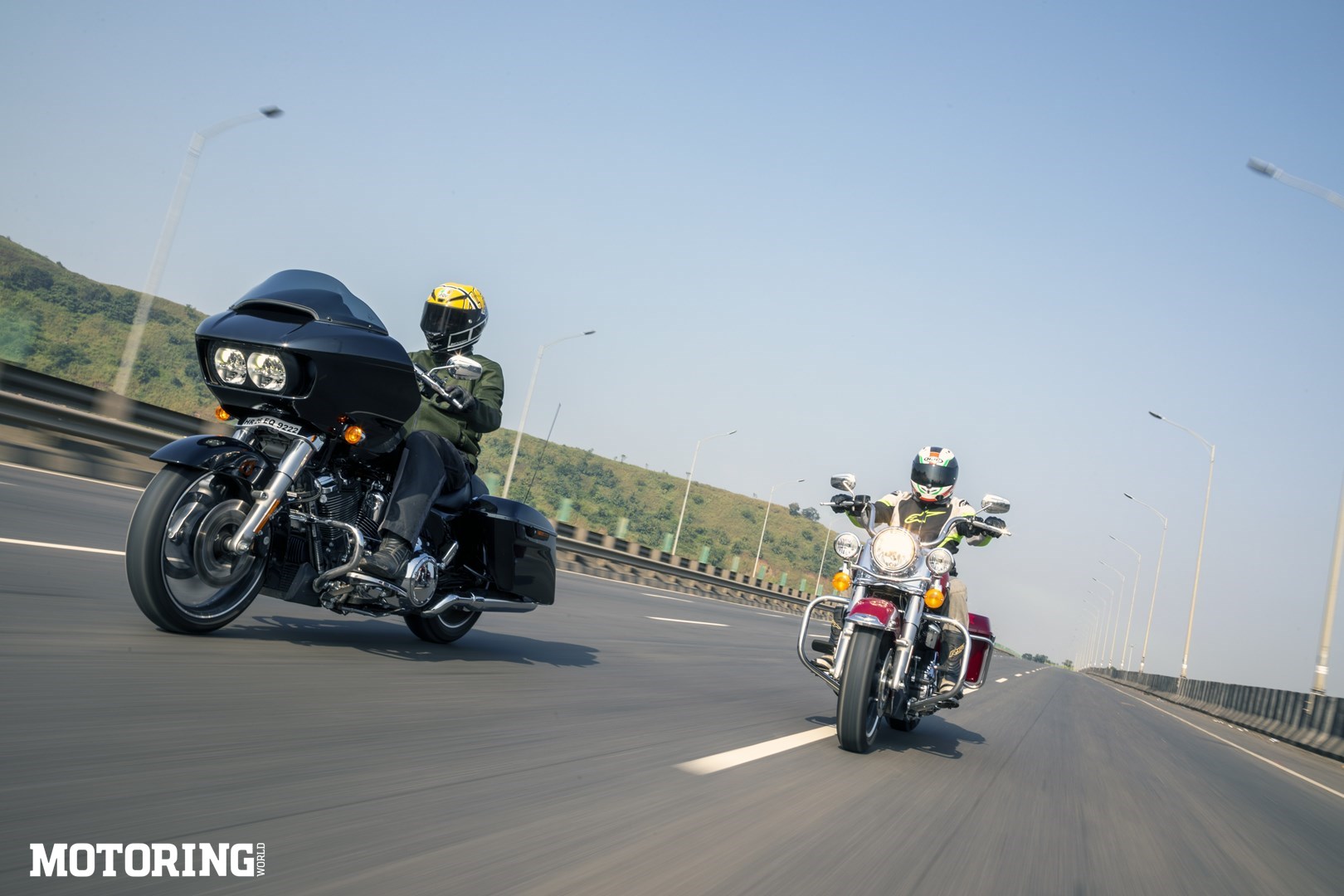
Enhanced rider comfort extends beyond mechanical suspension to the ergonomically designed saddle and handlebars. The 1968 Electra Glide features a generously padded, wide seat that accommodates extended mileage, while its handlebars are shaped to reduce rider strain, embodying a rider-centric philosophy that prioritizes both physical ease and control. A distinctive batwing fairing envelops the headlight and instruments, providing aerodynamic protection from wind and weather, and contributing to its instantly recognizable silhouette.
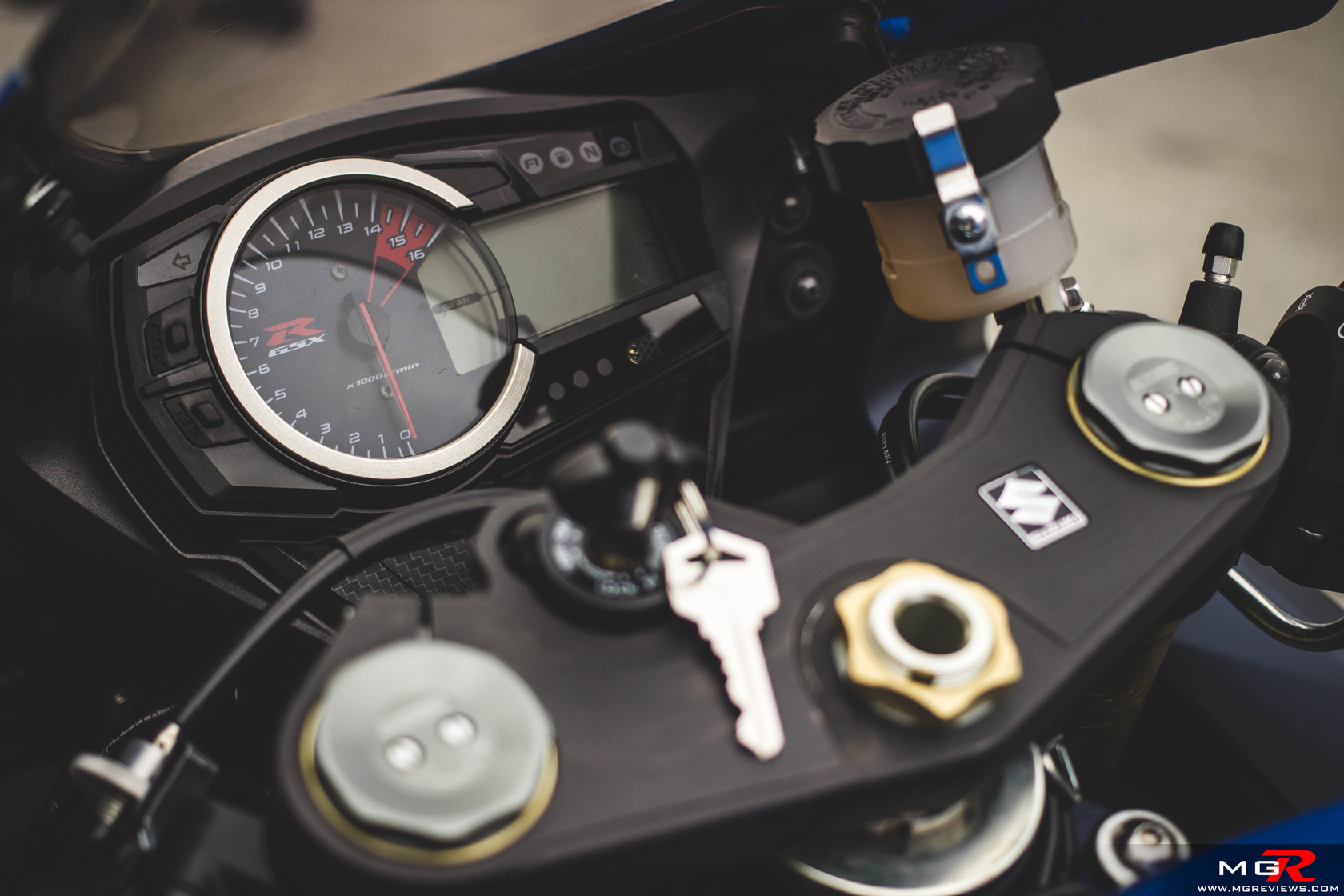
Visually, the 1968 Electra Glide captivates with a blend of robust craftsmanship and elegant detailing. Chrome accents gleam against the glossy paint, reflecting a meticulous attention to aesthetic finesse typical of the era. Each curve and contour is deliberately sculpted, bestowing an aura of strength and sophistication. The instrument cluster, containing the speedometer, ignition switch, and warning lights, is simple yet functional—an interface designed to keep the rider informed without distraction.
Collectors and vintage motorcycle aficionados treasure the Electra Glide not only for its mechanical virtues but also for its cultural significance. The late 1960s were a transformational period in American society, marked by a burgeoning counterculture movement and a renewed fascination with freedom and individuality. The Electra Glide emerged as a symbol of rebellion, adventure, and the American spirit—a canvas upon which riders projected their values and aspirations. Its presence in numerous films, music videos, and motorcycle rallies has only solidified its status as an enduring icon.
The allure of the 1968 Electra Glide extends to its adaptability within today’s classic motorcycle community. Restoration projects abound, as owners labor to preserve original components or artfully blend vintage aesthetics with modern upgrades. This juxtaposition between old and new enriches the Electra Glide’s legacy, ensuring that it remains both a cherished collector’s item and a viable, exhilarating ride. Knowledgeable mechanics and enthusiasts often engage in spirited discussions about sourcing period-correct parts, tuning the Shovelhead engine, and matching paint schemes, underscoring the model’s place as a vibrant subject of motorcycle lore.
Moreover, the 1968 Electra Glide is pivotal in the evolution of Harley-Davidson’s touring line, laying foundational design principles that continue in contemporary models. Features such as the batwing fairing and electric starting system evolved in sophistication but retained their premise of combining rider comfort with operational ease. It stands as a testament to the brand’s forward-thinking approach balanced with reverence for tradition, a duality that defines Harley-Davidson’s ongoing appeal.
For those curious about the visceral experience of riding a 1968 Electra Glide, it is a synthesis of history and exhilaration. The sound of the Shovelhead engine, the tactile feedback from the handlebars, and the engagement with the road beneath encapsulate a timeless connection between man and machine. Every ride is a journey into the past, invoking images of endless highways, open skies, and the unbounded promise of discovery.
In summation, the 1968 Harley-Davidson Electra Glide is far more than just a motorcycle; it is a cultural artifact, a mechanical masterpiece, and an enduring symbol of the quintessential American ride. Its combination of technological innovation, rider-oriented design, and evocative styling has ensured that it remains revered even in the modern age. For enthusiasts, collectors, and those intrigued by the history of motorcycling, the Electra Glide offers fertile ground for exploration—from the technical specifications to its broader cultural resonance.
Few motorcycles possess the ability to encapsulate the spirit of their era as fully as the 1968 Electra Glide. It invites admiration, provokes nostalgia, and inspires future generations to embrace the untamed freedom of the road. Its legend is not confined to dusty photographs or museum displays; it lives on in the hearts of riders who continue to cherish and celebrate its remarkable legacy.