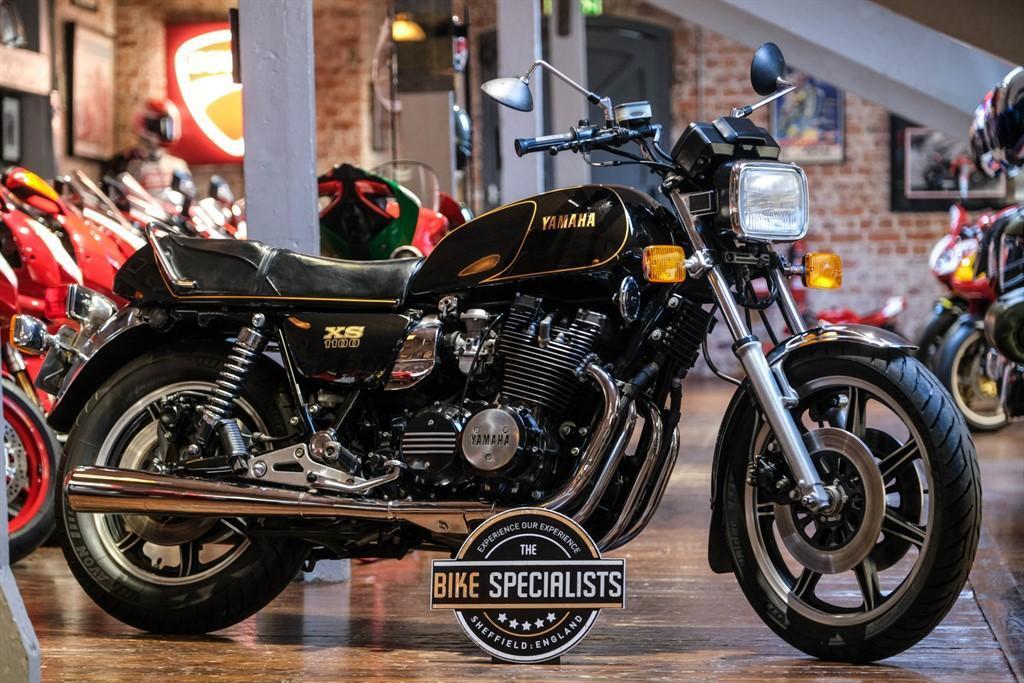
In the realm of classic motorcycles, the 1980 Yamaha XS1100 and its slightly smaller sibling, the XS850, occupy a hallowed space where raw mechanical intensity meets refined engineering elegance. These motorcycles are not merely machines; they are roaring symphonies of power and precision, channeled through steel and chrome into an experience that transcends the typical ride. To grasp the unique appeal of these behemoths is to understand how Yamaha sculpted the essence of the late 1970s and early 1980s motorcycling spirit into tangible forms of adrenaline and craftsmanship.
Both the XS1100 and the XS850 epitomize the era’s fascination with “big bike” power, a phrase that conveys not just engine displacement but a palpable aura of mechanical authority. They are the embodiment of the phrase “muscle on two wheels,” with engines designed to thrum with an overwhelming presence rather than whisper through the wind. The XS1100, in particular, deserves special mention for its colossal 1,102cc inline-four engine that was groundbreaking in its day. It was Yamaha’s answer to the growing demand for motorcycles that could deliver effortless highway speed combined with formidable torque and enduring reliability.
Imagine the XS1100 as a juggernaut rolling through the streets—commanding, assertive, a veritable iron horse that beckoned riders into a realm where speed wasn’t just about velocity but presence. Its double overhead camshafts, along with a shaft drive system, allowed a blend of smooth power delivery while minimizing maintenance—a marvel that catered to the practical thrill seeker. This engineering triumph translated into an experience as smooth as silk despite its raw horsepower, making the XS1100 a formidable competitor in the café racer and touring segments alike.
Meanwhile, the XS850 served as a smaller yet no less spirited sibling. Its 828cc engine, though lighter and more compact, retained the soulful inline-four configuration Yamaha was perfecting. Consider the XS850 as the nimble dancer to the XS1100’s heavyweight boxer—a motorcycle that didn’t punch as hard but still delivered commendable agility coupled with an assertive growl. Riders found in the XS850 a motorcycle that was approachable yet powerful, making it ideal for those craving big-bike sensations without the full heft of the XS1100.
The design philosophy of these motorcycles mirrored their mechanical ambitions. The XS1100 and XS850 showcased a muscular, upright stance highlighted by robust frames, elongated fuel tanks, and bold chrome accents. It was as if Yamaha crafted an electric beast ready to sprint yet capable of purring with calm dignity. The instrumentation was meticulously positioned, offering the rider a perfect synthesis of functionality and style—a cockpit designed not just for riding but for commanding presence.
The late 1970s and early 1980s was a transformative period in motorcycle history. The high-performance naked bike category was gaining momentum, and the XS1100 was among the motorcycles that helped define this segment. Its substantial engine size and shaft-driven mechanics reduced the fuss often associated with chain drivetrains, making it a reliable companion for long-distance journeys. The XS1100 had the uncanny ability to make thoroughbred athleticism accessible without alienating the everyday rider.
Notably, the XS1100 was also a harbinger of the modern superbike, boasting performance figures that rivaled many sports cars of its epoch. The machine’s broad torque curve ensured thrilling acceleration paired with an uncanny ability to cruise effortlessly at high speeds, demonstrating an intrinsic blend of power and composure. This duality—ferocious engine performance married with mechanical grace—distills the essence of the big bike appeal that enthusiasts still celebrate today.
In contrast, the XS850 carved its niche by offering a more approachable, lightweight alternative for motorcyclists who sought that classic inline-four engine character without the extra circumference and weight. It was a machine that rewarded precision riding and thrived on twisty back roads as much as on straight highway stretches. The accessibility of the XS850’s mechanical bouquet made it a popular choice for riders transitioning from smaller displacement motorcycles, bridging the gap between novice enthusiasm and experienced skill.
Beyond their mechanical virtues, both models ooze a timeless style. The XS1100 and XS850 serve as rolling reminders of a golden era when motorcycles were crafted with tactile feedback and sensory interplay at the forefront. The burble of the engine, the growl of the exhaust, and even the subtle vibrations of the shaft drive converge to create an analog experience akin to a symphony orchestra playing a daring concerto. This sensory richness is what sets these motorcycles apart from modern electronic-laden counterparts.
Furthermore, the XS1100 and XS850 have become sought-after icons among collectors and vintage enthusiasts, not only for their performance and styling but for their historical significance. They represent a bridge between the raw mechanical era of motorcycling and the approaching wave of technological modernization. Today, these bikes stand as statements of authenticity—proof that truly great machine design holds a resonance that defies time and trends.
In conclusion, the 1980 Yamaha XS1100 and XS850 offer a compelling narrative in the saga of big bike power. They are not mere artifacts but living legends that continue to inspire and excite. Each twist of the throttle evokes an intoxicating sense of freedom, power, and connection to the road, making them exquisite examples of Yamaha’s engineering prowess and vision. To experience these motorcycles is to step into a meticulously engineered mechanical poem—one that sings the virtues of big engine grandeur with every mile, proving that sometimes, big bike power is less about sheer size and more about soul.