Emerging from the crucible of the early 1980s motorcycle renaissance, the 1981 Harley Low Rider stands not merely as a machine but as a pulsating embodiment of rebellion and style. Often described as a “factory custom,” this legendary model is much more than its chrome and steel; it epitomizes a cultural phenomenon, a metaphorical chariot that carried a generation through the shifting landscapes of freedom, identity, and raw power.
The 1981 Harley Low Rider arrived at a time when Harley-Davidson was meticulously crafting machines that blurred the line between factory precision and bespoke charisma. This motorcycle was forged with a deliberate philosophy—to imbue production models with the soul of a custom-built masterpiece. The Low Rider was Harley’s answer to a rider’s yearning for something that transcended mere transportation: a personal herald of style and substance.
At first glance, the Low Rider’s silhouette is a study in contrasts. It’s a dance between low-slung authority and sleek, aerodynamic form. The frame rides close to the ground, a defiant posture that whispers promises of stability and control. The lowered stance is not just aesthetic bravado; it’s a statement of groundedness amidst the chaos of the road. Every curve and contour has been meticulously sculpted, as if Michelangelo himself had descended briefly into the realm of motorcycling to breathe life into steel and rubber.
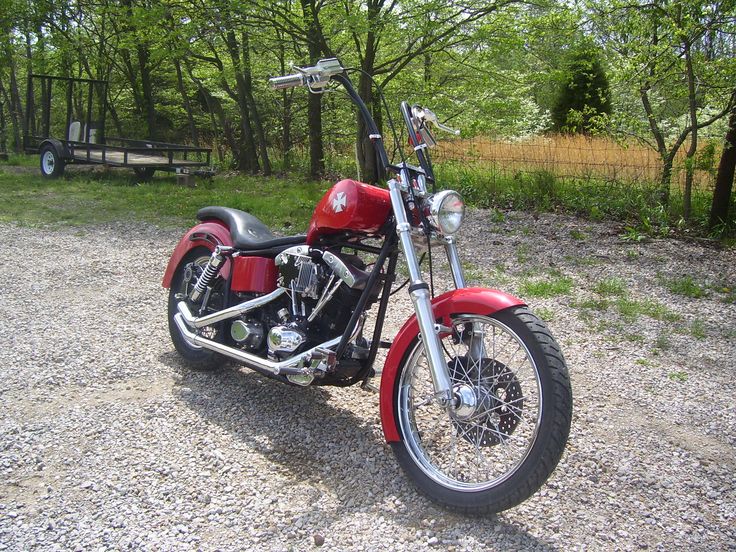
The 1981 model is distinguished by its unmistaken style cues—a fusion of muscularity and finesse. The signature peanut gas tank, emblazoned with the Harley-Davidson insignia, serves both as a visual magnet and a nod to the brand’s gritty heritage. Chrome components gleam like armor in the sunlight, reflecting a blend of aggressive shine and meticulous craftsmanship. The dual shocks at the rear frame underline Harley’s dedication to ride comfort, ensuring that every mile unfurls with a blend of toughness and tenderness.
Within its 1,200cc evolution of the Shovelhead engine, the Low Rider roars a symphony that defies the ordinary. The powerplant, forged from decades of engineering expertise, churns with a guttural growl—an audible heartbeat that connects rider and machine in an almost primal communion. That unmistakable vibration transmitted through the handlebars tells stories of open highways and sun-drenched escapades, inviting every rider to feel the visceral pulse of the engine’s might.
However, the Low Rider’s appeal extends far beyond the mechanical. It embodies an aesthetic reverence for the chopper culture while maintaining the reliability of a factory standard. This delicate balance rendered it a canvas upon which owners could imprint their own identities, knowing that beneath every custom flair was a machine ready to perform without falter. Its versatility as a platform for personalization invigorated a subculture of enthusiasts who wielded wrenches and paintbrushes alike.
Underneath this allure lies a narrative of resilience. Harley-Davidson, at the dawn of the 1980s, was navigating turbulent economic waters and shifting consumer preferences. The Low Rider emerged as a testament to the company’s ability to innovate within tradition. It captured the zeitgeist—not just a motorcycle but a beacon of American craftsmanship navigating an increasingly globalized market. The Low Rider was a cultural lodestar for those who sought to resist the homogenization of motorcycling, an anthem played on the strings of individuality.
The bike’s frame geometry and ergonomics underscore the marriage between design and function that defined the Low Rider. The seat sits low yet ergonomically supportive, inviting a riding posture that feels both commanding and relaxed. Handlebars, wide and assertive, provide control that speaks to the rider’s physical connection with the road. Suspension tuned for a smoother ride than many of its contemporaries transformed harsh routes into avenues for exploration, making it equally comfortable carving the urban jungle or cruising open stretches of asphalt.
Richer still is the Low Rider’s emblematic role in the evolution of Harley-Davidson’s lineup. It was one of the earliest models to popularize the “factory custom” label, influencing countless subsequent iterations and innovations. The model’s essence reverberates through decades, inspiring modern builds and restorations alike. Its legacy is not frozen in a single point in time but is an enduring flame—ever igniting imaginations of riders who crave authenticity and unfiltered connection.
In terms of raw numbers and specifications, the 1981 Low Rider may not dwarf modern machines in horsepower or digital sophistication. Yet, what it lacks in cutting-edge technology, it more than compensates with character and soul. The aesthetic choices, from the flowing fenders to the minimalist instrumentation, evoke a purposeful simplicity, a reminder that sometimes less is infinitely more.
It is this balance of form and function, myth and metal, that positions the 1981 Harley Low Rider as an icon not just of motorcycle history but of American cultural identity. Riding one is akin to holding a talisman against the mundane, a way to channel decades of craftsmanship, innovation, and unrelenting spirit. The motorcycle becomes a metaphorical steed, carrying its rider into a realm where the horizon stretches endlessly forward—a symbol of freedom carved in chrome and steel.
In the final reckoning, the 1981 Harley Low Rider is more than an artifact of motorcycling lore. It is a living narrative—a cultural artifact where every scratch and gleaming surface narrate tales of roads conquered and dreams pursued. It stands as a reminder that machines, at their finest, capture the intangible: the yearning for adventure, the celebration of individuality, and the relentless quest to ride not just with wheels, but with soul.