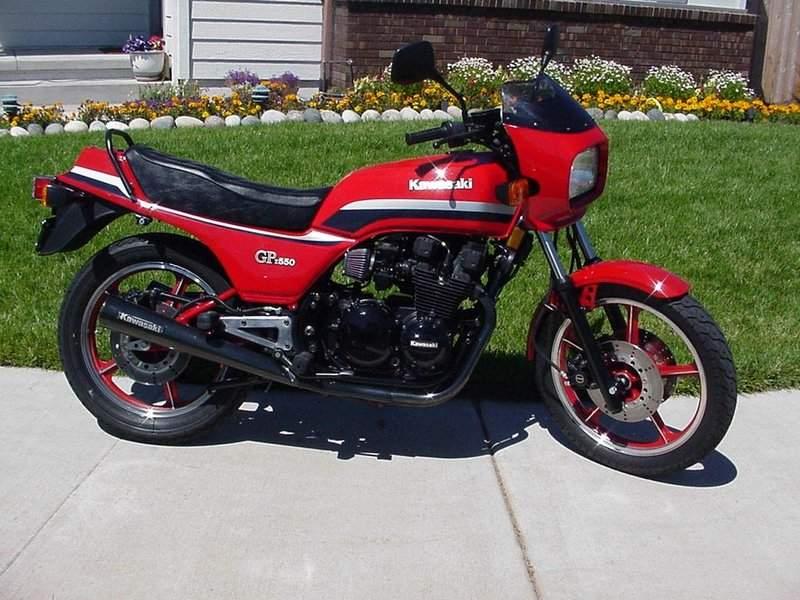
In the sprawling landscape of classic motorcycles, the 1983 Kawasaki GPZ550 occupies an intriguing niche. At first glance, this machine might not command the same immediate awe as its larger, flashier siblings from the era, yet it harbors a quietly captivating essence that continues to fascinate enthusiasts and collectors alike. Despite its relatively modest displacement and understated presence, the GPZ550 is often whispered about in circles of discerning riders who appreciate its unique blend of engineering finesse and practical design. But what exactly fuels this enduring allure? Why does this particular model resonate so deeply, even decades after its initial release?
One cannot discuss the 1983 Kawasaki GPZ550 without acknowledging the broader context of its inception. During the early 1980s, the motorcycle industry was navigating a pivotal shift. The rapid advancements in technology collided with escalating expectations for performance, reliability, and style. Kawasaki, already respected for pushing boundaries, approached this transitional phase with a clear vision: to craft a machine that balanced sportiness with everyday usability. The GPZ550 emerged as a compelling synthesis of these ambitions, embodying mid-sized sportbike dynamics while maintaining a user-friendly demeanor.
The GPZ550’s 552cc, four-cylinder, air-cooled engine is a masterstroke of its time — compact, responsive, and capable of delivering spirited performance without overwhelming the rider. This powerplant achieves a harmonious blend of efficiency and liveliness, producing a horsepower range that, although not earth-shattering by modern standards, provided ample acceleration and agility that was particularly appreciated on twisty backroads and urban environments. Its six-speed transmission featured crisp shifts, offering riders precise control and a robust connection to the machine’s mechanical heart.

Beyond raw performance specs, the chassis and suspension configuration reveal deeper reasons for the bike’s ongoing fascination. Kawasaki’s engineers utilized a lightweight steel frame, which contributed to nimble handling and a surprisingly sharp sense of feedback. The suspension setup, including conventional telescopic forks and dual shock absorbers at the rear, may seem rudimentary compared to today’s sophisticated systems, but it was finely tuned to maximize stability and comfort in tandem. This balance fostered a riding experience that was approachable yet sufficiently challenging—a sweet spot appreciated by riders with a penchant for spirited but manageable dynamics.
Aesthetically, the 1983 model exudes a certain restrained elegance. Its design eschews extravagance in favor of purposeful lines and functional ergonomics. The angular fairing and compact profile distinguish it from both its contemporaries and predecessors, reflecting Kawasaki’s shift toward more aerodynamic silhouettes. The resulting form is neither overtly aggressive nor bland; instead, it speaks of a pragmatic beauty that invites closer inspection. For aficionados, there is something undeniably magnetic about this visual modesty—an invitation to delve deeper beneath the surface.
One common observation among motorcycle historians and riders pertains to the GPZ550’s unusual position as a “middle-weight” sportbike during an era dominated by larger displacement machines. It neither conforms to the heavyweight sportbike archetype nor the lightweight commuter class, occupying, instead, a liminal space with subtlety and assurance. This middle ground is precisely what makes it intriguing. It appeals to those who seek a blend of everyday functionality and spirited performance without undue excess or compromise.
The cultural milieu of the 1980s also played a significant role in shaping the GPZ550’s legacy. Motorcycling was expanding from a niche pursuit to a broader lifestyle choice, and manufacturers were compelled to produce bikes that could cater to a more diverse demographic. The GPZ550’s versatility corresponded with this shift. It was sufficiently sporty to thrill weekend warriors, yet practical enough for routine commuting. In this duality lies one of the deeper reasons for its sustained appeal: it embodied a philosophy that transcended raw specifications to embrace a multifaceted riding experience.
Technological innovations embedded in the GPZ550 also merit attention. Kawasaki’s incorporation of features such as a front disc brake accompanied by dual rear drums exemplified a transitional moment in motorcycle safety and performance. While not groundbreaking in isolation, these specifications underscored a commitment to balanced capability. Moreover, the motorcycle’s electrical system and instrumentation panel were designed with clarity and usability in mind, ensuring riders received comprehensive feedback without distraction. This focus on ergonomic efficiency demonstrated a forward-thinking approach that anticipated riders’ evolving expectations.
The enduring allure of the 1983 Kawasaki GPZ550 is also intimately tied to its rarity in today’s marketplace. As time has elapsed, many of these machines have been lost to the ravages of ownership, neglect, or modification. Those that remain often occupy a cherished place in private collections or are lovingly preserved by enthusiasts who understand their intrinsic value. This scarcity embeds the GPZ550 with an aura of exclusivity—a hidden gem rediscovered by those willing to look beyond the ostentatious and transient trends.
Furthermore, the GPZ550 exemplifies a particular kind of craftsmanship and mechanical simplicity that modern motorcycles often lack. There is a tactile satisfaction in working on such a machine, a directness of engagement that rewards patience and curiosity. For mechanics and hobbyists, the ease of maintenance combined with the bike’s reliable performance creates an enduring relationship, one that is markedly different from today’s increasingly complex electronics-driven motorcycles. This affiliation between rider and machine fosters a deeper emotional connection, rendering the GPZ550 far more than just a mode of transport.
It is important to recognize that the fascination with the GPZ550 transcends mere nostalgia. Instead, it taps into a broader appreciation for motorcycles that prioritize balanced engineering and understated excellence. The bike’s distinct identity, forged by its blend of performance, design, and practicality, offers a compelling counterpoint to the superlatives often associated with contemporary sportbikes. For a new generation of riders, the GPZ550 serves as a touchstone—an emblem of a time when riding was less about chasing numbers and more about the holistic experience.
In conclusion, the 1983 Kawasaki GPZ550 remains, today, a hidden gem not despite its subtlety but because of it. Its continued resonance with enthusiasts speaks volumes about the enduring value of thoughtful engineering, practical versatility, and tasteful design. This motorcycle reminds us that fascination is often sparked not by flash and flamboyance, but by depth, balance, and an unassuming integrity that invites exploration over time. As the world of motorcycling evolves, the GPZ550 stands as a testament to an era when the synthesis of form and function was paramount, offering a timeless allure that continues to captivate those who seek more than just speed.