What if a sportbike could strike the perfect equilibrium between raw power and everyday finesse without feeling like a stubborn beast? The 1994 Honda VFR750F masterfully rises to this challenge, presenting an intriguing blend of performance, reliability, and rider-centric design that remains compelling even decades after its debut. Rather than chasing blistering top speeds or sacrificing comfort on the altar of agility, this model embodies a thoughtfully balanced sporting experience—a feat that merits closer examination.
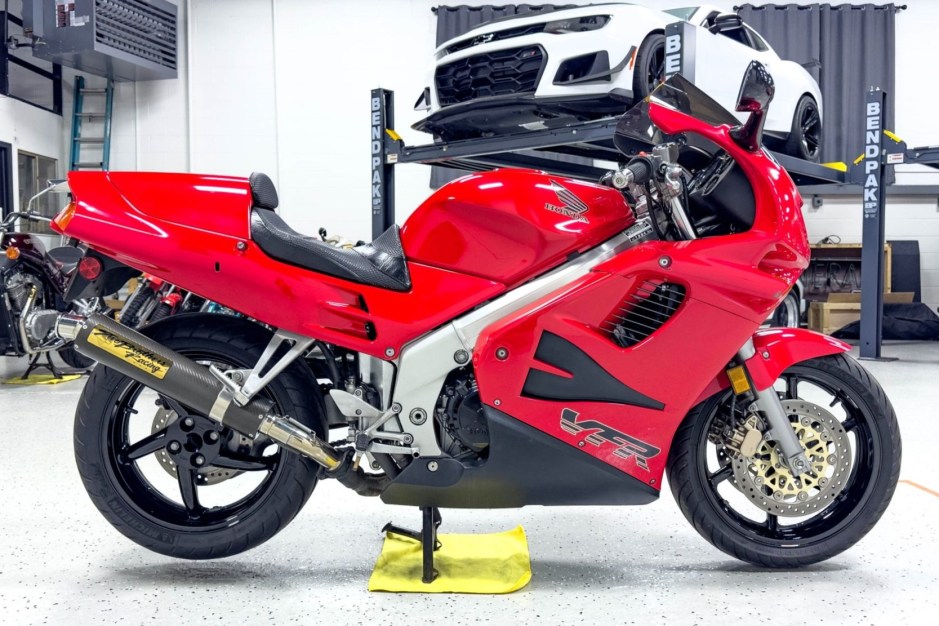
At first glance, the VFR750F might not dazzle with excessive flair or radical styling. Instead, it carries an aura of purposeful sophistication that speaks to its engineering ethos. With its sculpted lines and aerodynamic fairing, the bike whispers promises of smooth airflow and precise handling rather than shouting speed and aggression. The overall aesthetic conveys a restrained sportiness, indicative of a machine designed for skilled riders who value control and consistency.
The heart of the 1994 VFR750F lies in its V4 engine, a powerplant known for delivering a harmonious blend of torque and rev-happy responsiveness. Unlike conventional inline-fours that prioritize high-end power, Honda’s V4 configuration offers a unique character: a gradual, firm pull through the mid-range paired with a willingness to sprint toward the redline without faltering. This nuanced power delivery transforms the riding dynamic from a battle against peak performance into an engaging, fluid dialogue between man and machine.
This engine architecture also introduces an intriguing engineering advantage—compact packaging. The V4’s conformation allows for a more centralized mass distribution, lending the machine improved balance and agility. As a result, riders experience nimble cornering and a confidence-inspiring chassis that quickly becomes intuitive. The motorcycle feels neither too heavy nor overly sensitive, establishing a sweet spot rarely found in motorcycles of comparable era and category.
But what truly distinguishes the 1994 VFR750F is the harmony achieved between its mechanical components and rider interface. Honda’s attention to detail manifests in the bike’s suspension setup—combining conventional telescopic forks upfront with a Pro-Link mono-shock at the rear. This pairing adeptly absorbs undulations and road irregularities without compromising on feedback. Unlike some sportbikes that jarringly transmit every bump, the VFR750F glides with an almost supple grace, turning long-distance rides into comfortable journeys without sapping the spirit of sportiness.
Another noteworthy innovation in the 1994 iteration is the adoption of an anti-dive feature within the front forks. This technologically savvy inclusion curtails excessive compression under hard braking, enabling better stability and confidence when decelerating. Such features were forward-thinking during the era, underscoring Honda’s commitment to combining technology with real-world utility. The integration of these systems subtly yet substantially enriches the motorcycle’s overall dynamic character.
While the VFR750F’s performance envelope is respectable, it never revels in pushing the boundaries to extremes. Instead, it maintains a deliberate poise—inviting riders to explore twisting backroads, cruise highway corridors, or maneuver urban landscapes with equal adeptness. This versatility is a treasure; many sportbikes demand compromises, yet here, the rider enjoys multifaceted capabilities in a singular, elegant package.
Ergonomics reinforce this philosophy of balance. Unlike aggressive supersport machines that force riders into uncomfortable crouches, the VFR750F offers a more natural seating position. The moderately elevated clip-ons and rear-set footpegs foster engagement without fatigue, encouraging spirited rides that can extend over hours rather than minutes. This thoughtful approach to rider comfort complements the bike’s mechanical sophistication.
One might wonder if the VFR750F’s balanced nature translates into intrigue on the aesthetic front, too. While it eschews the flamboyance embraced by some rivals, its design remains timeless and purposeful. The angular fairing, twin rectangular headlights, and integrated tail section blend function with style. The paint schemes of the period often featured subdued yet assertive colors, reinforcing the bike’s identity as a serious contender rather than a mere showpiece.
Durability and build quality further accentuate the appeal of the 1994 VFR750F. Honda’s meticulous engineering standards mean this model has gained a reputation for resilience, often reaching high mileage with minimal fuss. The shaft drive system, a hallmark of the VFR lineage, minimizes maintenance compared to chain-driven counterparts—another thoughtful feature enhancing ownership experience.
However, this emphasis on balanced performance and long-term practicality does pose an intriguing question: does sacrificing some peak edge for holistic capability risk alienating the more thrill-seeking rider? The answer depends on individual priorities. While the VFR750F might not hold records in straight-line speed or exhibit razor-sharp, racetrack-oriented geometry, it delivers an enriching, comprehensive riding experience that few machines from the era can match.
In essence, the 1994 Honda VFR750F challenges the prevailing dichotomy between sportiness and usability. It demonstrates that a motorcycle need not be an uncompromising force to be captivating. Instead, it can be a harmonized embodiment of engineering finesse, rider comfort, and versatility. This equilibrium invites those who savor the journey as much as the destination, rewarding discernment and appreciation for subtle excellence.
Ultimately, delving into the nuanced craft of the VFR750F reveals a timeless principle: performance is not solely about maximum output, but about the elegant integration of systems that collectively elevate the riding experience. It beckons enthusiasts to reconsider what makes a motorcycle truly exceptional—not just the exhilaration of acceleration, but the thoughtful orchestration of balance and composure that transforms everyday rides into memorable adventures.