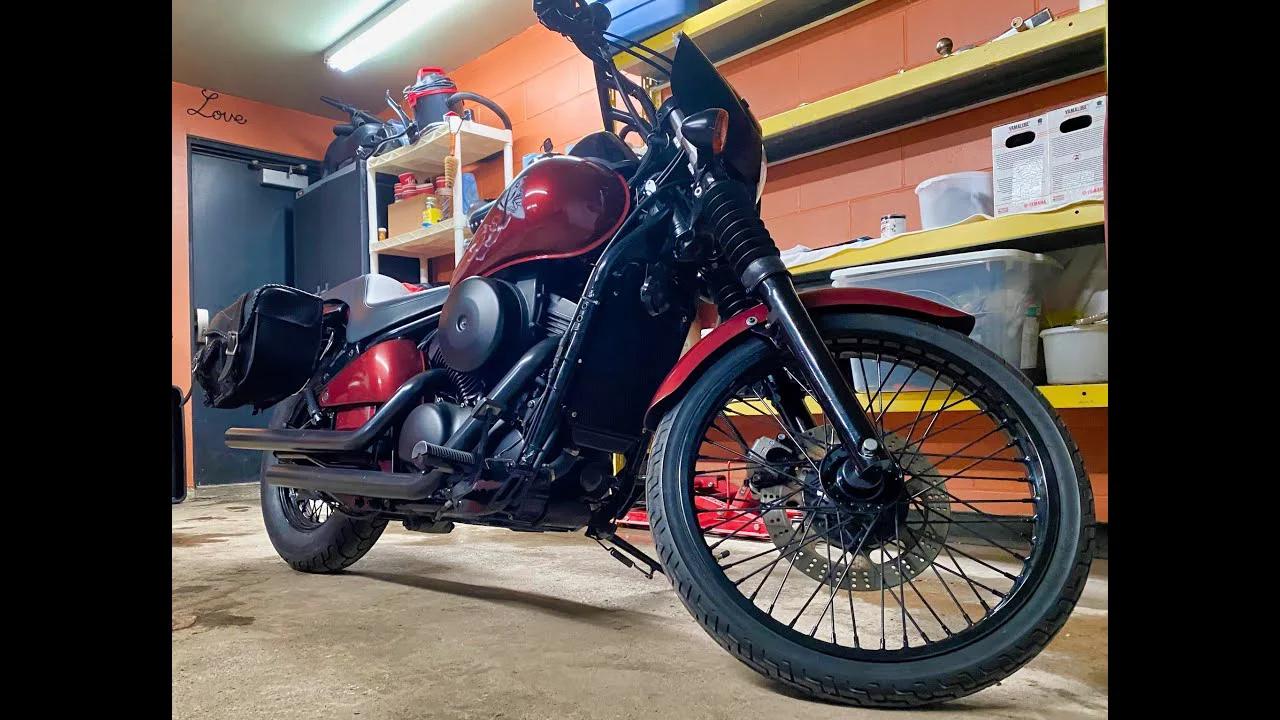
The 1995 Kawasaki Vulcan 800 stands as a testament to the art of balancing power, style, and rider comfort in the mid-size cruiser category. Even decades after its debut, this motorcycle garners admiration and curiosity, often sparking conversations about what precisely cements its enduring fascination among enthusiasts and casual riders alike.
At first glance, the Vulcan 800’s appeal lies in its classic cruiser aesthetics—clean lines, robust frame, and a muscular silhouette that exudes a confident presence on the road. Yet, such surface-level allure only scratches the surface. Beneath the polished exterior resides a machine engineered not merely for looks but for a refined and engaging riding experience that resonates with a diverse range of motorcyclists.
The heart of the Vulcan 800 is its 805cc V-twin engine, an architectural embodiment of Kawasaki’s commitment to delivering both reliable performance and an evocative throttle response. Unlike larger displacement cruisers that boast overwhelming power, the Vulcan 800 strikes a meticulous equilibrium—enough torque to command the road with authority, yet manageable enough to foster rider confidence and control. This engine breathes life into the motorcycle with a deep, throaty rumble—a sonic trademark that evokes a primal connection between rider and machine. It’s this tonal signature that often serves as the auditory manifestation of the cruiser’s soul, a siren call to the open road.
While many mid-size cruisers prioritize raw aesthetic or sheer displacement, the 1995 Vulcan 800 integrates ergonomic precision into its design philosophy. The seating position, characterized by a moderate rake and a comfortably positioned handlebar, encourages a relaxed yet poised posture. Such a configuration reduces rider fatigue, affording longer journeys without compromising attentiveness or maneuverability. The footpeg placement further enriches this experience, blending practicality with the quintessential cruiser stance—feet forward but not excessively stretched. Riders find themselves enveloped in a balance of comfort and control, an alchemical fusion that few contemporaries achieve so seamlessly.
The suspension setup reflects a similarly thoughtful approach. The Vulcan 800 is outfitted with telescopic front forks and twin shocks at the rear, components that harmonize to absorb irregularities in the pavement with commendable finesse. This suspension synergy provides a compliant ride quality, smoothing over urban cobblestones and highway undulations alike. This capability adds to the motorcycle’s versatility, making it equally adept for city cruising and longer escapades. The chassis’ rigidity and measured flexibility contribute not only to ride comfort but also to handling stability, instilling confidence in both novice and seasoned riders.
Braking technology on the 1995 Vulcan 800 also merits consideration. Featuring a front disc brake paired with a rear drum brake, this setup was characteristic of mid-90s cruiser motorcycles. While seemingly modest by contemporary standards, the brakes deliver consistent stopping power, suitable for the bike’s weight and intended performance envelope. The simplicity of this system translates into ease of maintenance and mechanical reliability, attributes that resonate with riders who value long-term ownership without excessive complexity.
One often overlooked dimension contributing to the Vulcan 800’s lasting appeal is its adaptability. The motorcycle’s platform invites personalization and modification, a canvas for riders to imprint their individual style. Whether through aftermarket exhausts that amplify its rumble, custom seats that enhance comfort, or aesthetic add-ons that accentuate its silhouette, the 1995 Vulcan 800 serves as a versatile foundation. This customization potential feeds into the broader motorcycle culture’s celebration of self-expression and ownership identity, reinforcing the model’s relevance across generations.
Moreover, the Vulcan 800 occupies a strategic niche within Kawasaki’s lineup, bridging the gap between smaller beginner-friendly machines and the larger heavyweight cruisers. This mid-size classification offers a gateway for riders transitioning from novice status to more serious cruising aspirations. Its approachable powertrain and rider-centric ergonomics provide an educational yet thrilling experience, fostering skill development without the intimidation factor that often accompanies larger motorcycles.
To fully appreciate why the 1995 Kawasaki Vulcan 800 remains a subject of fascination, one must consider the intangible qualities it embodies. Beyond metal and mechanics, it reflects a philosophy of motorcycle design anchored in accessibility, balance, and enduring style. It appeals not only to the practical sensibilities of reliable transportation but also to the emotional yearning for freedom, adventure, and community that permeates the motorcycling world.
In retrospect, the Vulcan 800’s design choices illustrate a deliberate commitment to creating a motorcycle that transcends fleeting trends. The restrained yet muscular styling eschews extravagance in favor of timelessness. The engine’s character and power delivery cultivate a rewarding connection that prizes nuance over brute force. The ergonomic and mechanical details converge to deliver an experience that is both immersive and intuitive.
For riders seeking a cruiser that eschews ostentation without compromising on substance, the 1995 Kawasaki Vulcan 800 remains a compelling option. It is a machine that acknowledges the diverse needs of motorcyclists—blending approachability with a whisper of rebellion, reliability with romance, engineering with artistry.
Ultimately, the Vulcan 800’s enduring allure lies in its capacity to fulfill the quintessential promise of motorcycling. It invites riders to transcend routine, to discover the road’s rhythms at their own pace, and to carry with them a sense of identity forged through the simple yet profound act of riding. Mid-size cruisers are common, but few manage to capture this elusive alchemy as deftly as the 1995 Kawasaki Vulcan 800—a mid-size cruiser indeed done right.