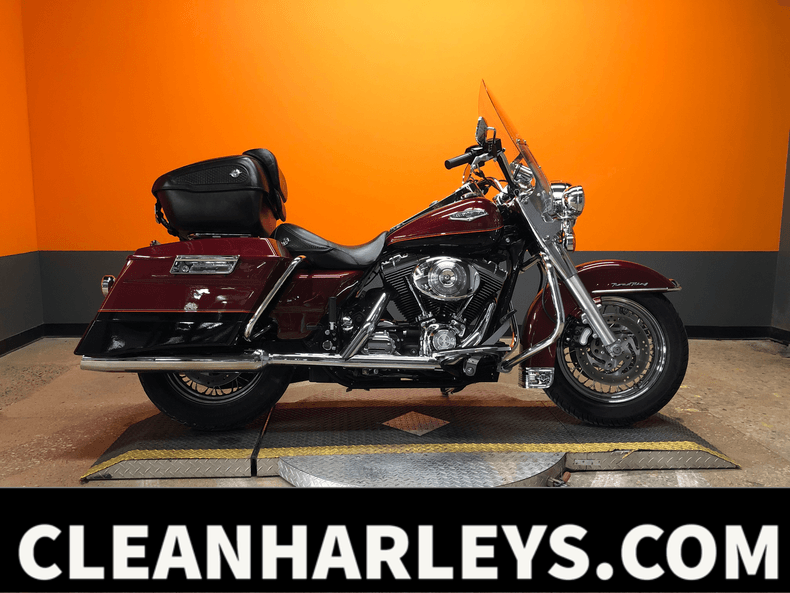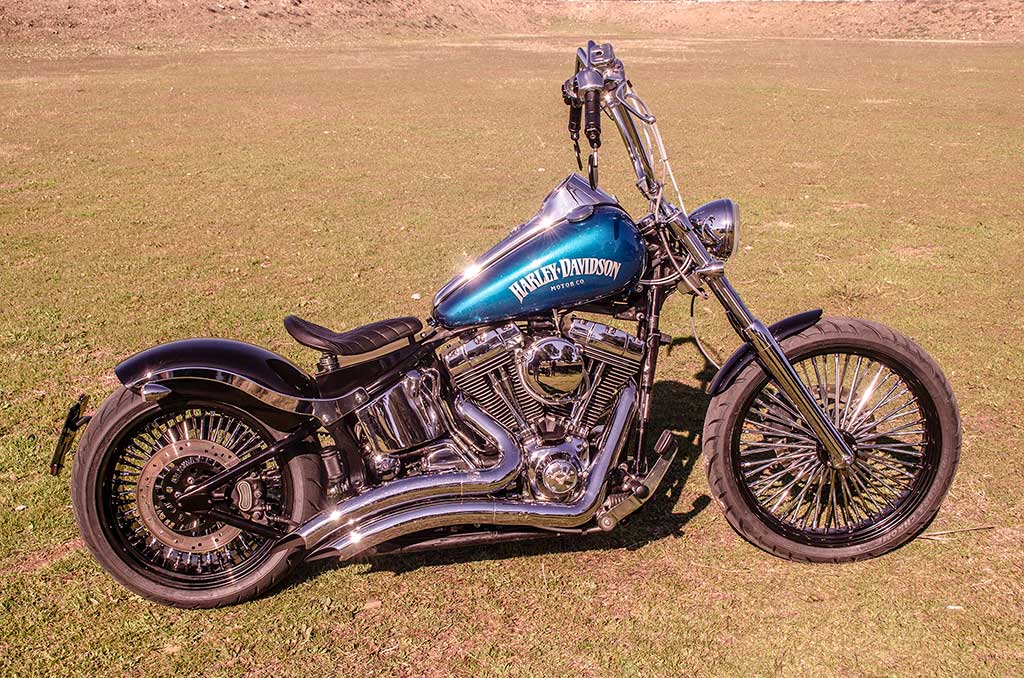
The 2000 Harley Davidson Softail Deuce exemplifies a unique blend of traditional craftsmanship and innovative customization that has captivated motorcycle enthusiasts for decades. To the casual observer, the Softail Deuce may simply look like another motorcycle model, yet a closer examination reveals why its distinct style commands a near cult-like admiration. The fascination with the Softail Deuce when customized lies not only in its sleek lines and vintage charm but also in the subtle symphony of design choices that speak volumes about the culture, heritage, and identity that riders seek to embody.
At first glance, the 2000 Harley Softail Deuce stands out due to its elongated frame, minimalist aesthetics, and an unmistakable bobber influence. The bobber style, originating from the 1940s and 50s, involved stripping excess weight and adding a rugged, raw character to motorcycles. This ethos is at the heart of the Softail Deuce’s design philosophy. In its stock form, the bike offers a decidedly ‘custom-ready’ platform, inviting owners to imprint their personality onto the machine. The frame’s hidden rear suspension—a hallmark of Softail models—creates an illusion of a rigid frame, which was traditionally associated with old school bobbers. Such design intricacies not only delight purists but also hint at a deeper appreciation for motorcycle history and engineering ingenuity.
Customization of the 2000 Harley Softail Deuce often involves a delicate balance of honoring the original character while simultaneously pushing boundaries with modern aesthetics and performance parts. Popular modifications include the addition of Springer front forks, which enhance both the bike’s vintage appeal and riding dynamics. The Springer forks evoke nostalgic imagery of early Harleys and add a rhythmic bounce, subtly reconnecting the present to a bygone era when motorcycles were as much about mechanical poetry as transportation. The visual impact of these forks cannot be overstated; they bestow the bike with an almost anthropomorphic personality, commanding attention at every turn.

Another compelling aspect concerns the extensive use of chromed components and custom paint schemes. The 2000 Softail Deuce, in its customized guise, often showcases meticulously layered finishes and hand-painted pinstriping. These artistic expressions transcend mere decoration, encapsulating a passionate dialogue between the builder and machine. The glossy chrome accents interplay with the rich hues, creating a tactile contrast that imbues the bike with depth and dimension. It’s a testament to artistry where every curve and contour is thoughtfully considered, resulting in a coherent whole that engages both sight and touch. Here, craftsmanship and emotional investment manifest in a tangible form, deepening the rider’s connection to their motorcycle.
But the allure goes beyond aesthetics; it is embedded in the cultural symbolism that the Softail Deuce—especially in its customized iterations—embodies. Motorcycles are often perceived as instruments of freedom, rebellion, and self-expression. The Deuce, with its stripped-down, chopper-inspired profile, acts as a canvas on which these ideals are projected. Customizing the Deuce is more than a mechanical alteration; it is an act of personal storytelling, wherein the rider curates identity elements through choice of parts, paint, and layout. Each custom build becomes a narrative, a confluence of individuality and the broader motorcycle lineage.
The mechanics of customization also reveal a nuanced dialogue with performance and functionality. Enthusiasts often upgrade the powertrain, exhaust systems, and suspension components to not only improve power output but also to refine the auditory presence of the bike. The throaty roar of a well-tuned V-twin engine combined with the rhythmic clatter of Springer forks creates an orchestration that is uniquely immersive. Such sensory feedback transforms the act of riding from mere travel into a visceral experience. Consequently, the Softail Deuce’s customizations highlight a multi-sensory appreciation of motorcycling—that no amount of visual enhancement alone could achieve.
Layered beneath these visual and functional elements is an inherent reverence for Harley Davidson’s legacy and community ethos. The Softail Deuce stands as a bridge between the past and the future, encapsulating the spirit of American motorcycling culture. Every bolt tightened, every paint stroke applied on a customized Deuce embodies a commitment to heritage while signaling individual innovation. This duality fosters a sense of belonging among riders, connecting them with decades of motorcycle evolution, and reinforcing an invisible yet powerful bond between members of the Harley community.
In many ways, the fascination with the 2000 Harley Softail Deuce—especially in its customized forms—reflects a broader cultural phenomenon where craftsmanship, identity, and passion converge. The bike is more than transportation; it is an artifact of personalization and freedom. Riders are drawn not only to the aesthetic but to the opportunity the Softail Deuce provides as a living canvas, a tangible expression of their personal mythology.
Ultimately, understanding the allure of the 2000 Harley Softail Deuce custom style requires appreciation of its visual storytelling, mechanical sophistication, and the cultural narratives it invokes. This motorcycle serves as a portal through which enthusiasts connect with the essence of motorcycling—where form, function, and feeling coexist harmoniously. The enduring appeal of the Softail Deuce hints at why motorcycle culture continues to thrive: it celebrates individuality within tradition, transforming every ride into an intimate journey of identity and expression.