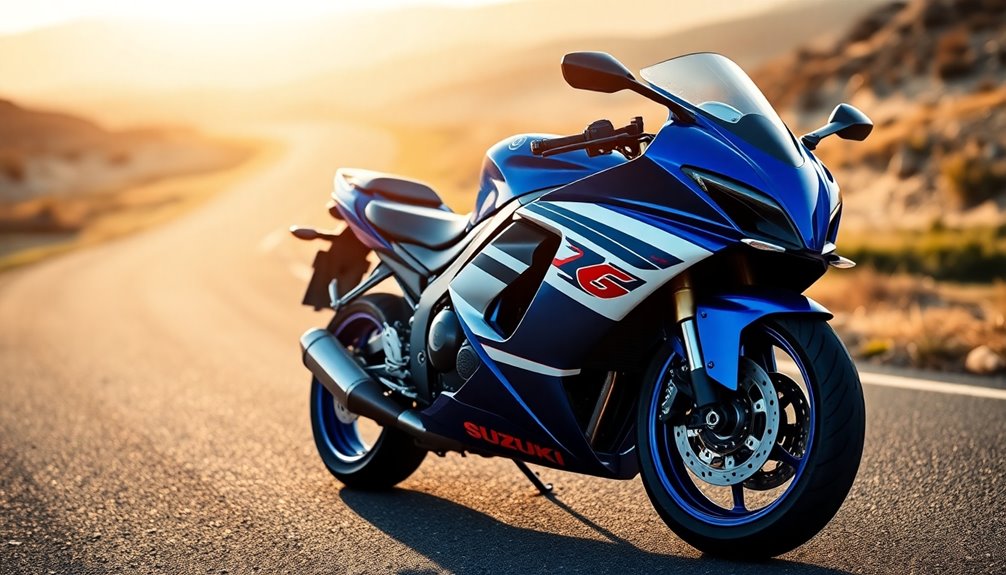
The 2002 Suzuki GSX-R1000 stands as an iconic figure in the realm of superbikes—a machine that perfectly melds raw power with refined engineering. Renowned for its blistering top speed and commanding presence on the road, the GSX-R1000 from this era has captivated riders and enthusiasts alike, embodying both the primal thrill of speed and the sophisticated technology that defines modern motorcycling. At first glance, its allure seems rooted in sheer velocity, but beneath that surface lies a deeper exploration of why such machines continue to enchant the human spirit.
From its inception, the Suzuki GSX-R series was crafted to dominate the superbike category, and the 2002 model is no exception. This iteration boasts a 999cc inline-four engine that generates exhilarating power, pushing the boundaries of what was conceivable in the early 2000s. The bike’s ability to surge from idling at traffic lights to an adrenaline-infused top speed—often eclipsing 180 mph—is a testament to Suzuki’s engineering prowess. But speed alone doesn’t tell the whole story; it’s the harmonious synergy of power delivery, chassis dynamics, and rider feedback that sets the GSX-R1000 apart.
The fascination with speed in motorcycles is often underscored by the visceral connection riders feel when pushing a superbike like the GSX-R1000 to its limits. Observers frequently note the magnetic pull these bikes exert—not just because of their acceleration or top-end capability, but because of the sensory experience they provide. The growl of the engine, the responsive throttle, and the aerodynamic silhouette all contribute to an immersive encounter between man and machine. Such experiences tap into a deeper human yearning for transcendence, where speed is not merely measured in miles per hour but in moments of sublime exhilaration.
Delving further into the specifics, the 2002 GSX-R1000’s engine architecture was meticulously designed to optimize both power and control. With its liquid-cooled, DOHC, 16-valve inline-four, the engine is capable of producing around 150 horsepower at peak output. This figure, while impressive for its time, is elevated by the bike’s relatively light curb weight of approximately 414 pounds (188 kg), resulting in an enviable power-to-weight ratio. The incorporation of technologies such as electronic fuel injection enhanced throttle response and fuel efficiency, marking a significant advancement from previous carbureted models.
Handling the tremendous power of the GSX-R1000 requires an equally adept chassis and suspension setup. Suzuki employed a twin-spar aluminum frame to ensure rigidity without excess weight. Paired with adjustable suspension components—including inverted front forks and a rear monoshock—the bike provides precise feedback and nimble maneuverability, whether leaning into tight corners or powering through sweeping bends. This balance between stability and agility is crucial in maintaining rider confidence at high speeds, and it’s a reason why the 2002 GSX-R1000 remains a celebrated example of superbike engineering.
One of the often overlooked aspects contributing to the bike’s appeal is its aerodynamic design. Every curve, fairing contour, and air intake is crafted with the dual purpose of minimizing drag and cooling the engine efficiently. The GSX-R1000’s sculpted silhouette cuts through the air with surgical precision—a vital factor in achieving its top-speed potential. This aerodynamic finesse also enhances rider comfort at elevated velocities, reducing wind buffeting and fatigue during extended rides on highways or race tracks.
While the top speed of the 2002 Suzuki GSX-R1000 is a noteworthy statistic—hovering around the 180-185 mph mark—the cultural and emotional resonance it holds transcends mere numbers. Speed symbolizes freedom, rebellion, and mastery over both machine and environment. The GSX-R1000 serves as a conduit for those sentiments, providing a tactile and auditory manifestation of power that stirs the soul. This profound attraction explains why superbikes like the GSX-R continue to captivate both seasoned riders and aspirants decades after their release.
The technology embedded within the 2002 GSX-R1000 reflects a period of rapid innovation within the superbike industry. Its fuel-injection system and engine management offered more precise control than earlier GSX-R models, which translated to smoother acceleration and reliable performance across different conditions. Furthermore, the braking system—comprised of dual front discs and a single rear disc—ensured that this powerhouse could be restrained effectively when commanded, emphasizing both thrill and safety in equal measure.
In exploring the nuances behind the GSX-R1000’s enduring fascination, one must also consider the legendary Suzuki heritage. The GSX-R lineage has long been associated with racing pedigree and cutting-edge performance. The 2002 model inherited this legacy, embodying the relentless pursuit of speed and innovation that Suzuki’s engineers and racers have championed for decades. This connection to a storied past inspires admiration and respect, cementing the GSX-R1000’s place not only as a machine but as a cultural icon within the motorcycle community.
Moreover, the GSX-R1000’s influence extends beyond the track and road, shaping motorcycle culture and enthusiasts’ aspirations globally. It represents a benchmark—a machine that was once the benchmark for superbike speed and power, setting standards followed and surpassed by subsequent models. This heritage contributes to a sense of continuity and progression within the motorcycling world, where each iteration pays homage to, yet advances beyond, its predecessors.
In conclusion, the 2002 Suzuki GSX-R1000 is far more than a superbike defined by its impressive top speed. It is a sophisticated amalgamation of engineering excellence, aerodynamic precision, and emotional resonance. Its appeal lies not only in the milliseconds shaved off in acceleration or the apex speeds achieved, but in the profound connection it forges between rider and machine. It encapsulates the timeless allure of speed—simultaneously a physical thrill and a symbol of boundless human aspiration.
Through understanding the intricate details and wider cultural significance of this remarkable motorcycle, one gains insight into the reasons it continues to fascinate. The 2002 GSX-R1000 remains an enduring testament to Suzuki’s commitment to performance and innovation, while representing a pinnacle experience for those who chase the horizon on two wheels.