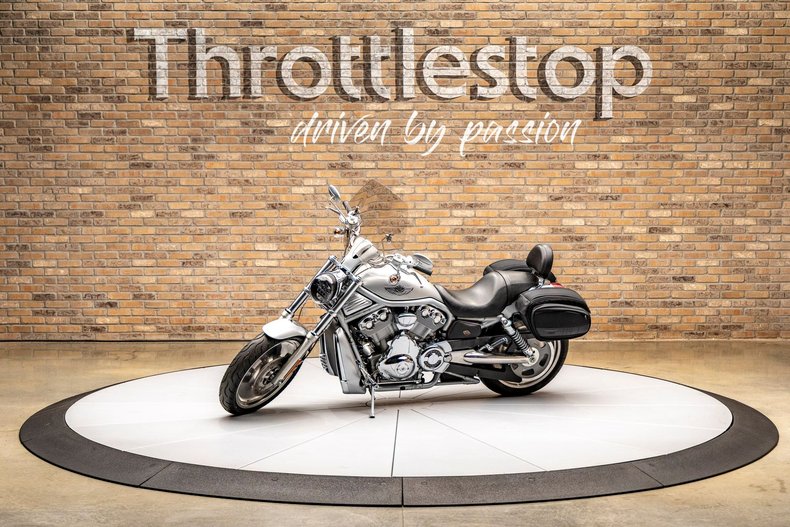
The 2003 Harley-Davidson V-Rod 100th Anniversary edition emerges as a compelling subject among motorcycle enthusiasts and collectors alike. Released as a tribute to Harley-Davidson’s century-old legacy, this model stirs a potent mixture of admiration, nostalgia, and curiosity. But is it truly a collector’s gem, or merely a product ridden on the waves of marketing fervor? Delving into the intricacies of this motorcycle reveals a complex narrative that intertwines engineering innovation, historical homage, and market perception.
At first glance, the 2003 V-Rod 100th Anniversary showcases a distinct aesthetic that differentiates it from its contemporaries. Its aggressive stance, sleek lines, and muscular frame immediately command attention. This machine was born from the collaboration between Harley-Davidson and Porsche Engineering, an alliance that brought a revolutionary liquid-cooled Revolution engine to the cruiser realm. Unlike traditional Harley air-cooled engines, this 1,130cc V-twin was engineered to deliver smoother, higher-revving performance, a leap forward for the brand.
For aficionados of mechanical artistry, the 100th Anniversary V-Rod offers a treasure trove of design features. The blacked-out engine components coupled with chrome accents create a striking contrast. The limited-edition badging, commemorative emblems, and intricately designed wheels embody an intentional nod to Harley’s rich heritage. Not merely a blend of muscle and metal, the V-Rod navigates a unique space where modernity and tradition collide. The frame geometry supports agile handling, translating to a riding experience that transcends typical cruiser lethargy.
Exploring the rider’s experience unveils the V-Rod’s unique appeal. The low-slung seat height combined with forward controls invites an ergonomic riding posture designed for comfort during extended rides. Yet, this is no leisurely cruiser. The Revolution engine pulses with a remarkable responsiveness rarely associated with Harley-Davidson’s earlier models. Acceleration is swift and assured, with torque that offers both street-savvy maneuverability and highway vigor. For those accustomed to classic Harleys, this might initially feel unconventional, but the thrill it delivers is undeniable.
The cultural context surrounding the 2003 V-Rod 100th Anniversary edition also warrants close examination. Harley-Davidson, a brand synonymous with American freedom and motorcycle culture, used the anniversary model to recalibrate its image for the 21st century. The V-Rod series represented a strategic push toward capturing a younger, more diverse market segment while retaining loyalists. This dichotomy fostered passionate discussions within motorcycling communities. Purists debated the V-Rod’s place in Harley-Davidson lore—is the liquid-cooled engine an abandonment of tradition or an evolution?
From a collector’s standpoint, the rarity and provenance of the 2003 100th Anniversary edition play a crucial role in its valuation. Limited production numbers inject exclusivity, which is a cardinal currency in collectible vehicles. Additionally, surviving models that maintain pristine condition with original components are increasingly scarce, heightening interest among dedicated collectors. The provenance, marked by the special edition designation, authenticates ownership of a motorcycle that symbolizes a pivotal milestone in Harley’s narrative.
Yet, the question of hype versus genuine collectible value is never straightforward. Market dynamics are influenced by factors such as branding, nostalgia, and investment potential. Some buyers may be drawn by the allure of owning a “limited edition” Harley that celebrates the centennial milestone, viewing it as a badge of honor or a conversation piece. Others approach it with a calculating eye, weighing the V-Rod’s mechanical innovations and unique attributes against traditional Harley desirability and long-term appreciation prospects.
Insight into the resale market reveals fluctuating trends. Early skepticism about the V-Rod’s departure from classic Harley elements has softened over time, with appreciation growing among enthusiasts who recognize the model’s contribution to broadening Harley-Davidson’s portfolio. Auction results and dealership listings indicate a steady, if not spectacular, climb in value for well-maintained examples. This trajectory suggests that the 2003 V-Rod 100th Anniversary is carving out a niche where historical significance and technical advancement intersect within the collectible spectrum.
Beyond raw numbers, the storytelling potential surrounding the 2003 V-Rod is compelling. Every aspect, from its inception rooted in honoring Harley’s 100 years to its modern engineering feats, narrative-rich badges, and rider feedback, collectively contribute to a multi-dimensional character. Such depth adds intangible richness for those who collect motorcycles not merely as assets but as embodiments of cultural and mechanical heritage.
In conclusion, the 2003 Harley-Davidson V-Rod 100th Anniversary straddles the line between collector’s treasure and market-driven phenomenon. Its innovative engineering, striking design, and symbolic significance construct a motorcycle that transcends simple categorization. Whether it will continue to rise in stature as a collector’s item remains subject to market conditions and shifting cultural appreciations. However, its place in motorcycling history as a daring blend of tradition and futurism is indisputable. For riders and collectors alike, this model offers an enriching encounter—one that invites reflection on the evolving narrative of an iconic brand as it celebrates a storied century and steps boldly into the future.