The 2003 Honda CBR600RR embodies a rare alchemy, a sublime blend of engineering prowess and aesthetic grace that continues to captivate riders decades after its inception. Like a finely tuned symphony, this motorcycle orchestrates power, agility, and precision into a cohesive riding experience that feels both exhilarating and intuitively natural. It is not merely a machine; it is a kinetic sculpture that hums with the promise of adventure, embodying the essence of sport riding distilled into its purest form.
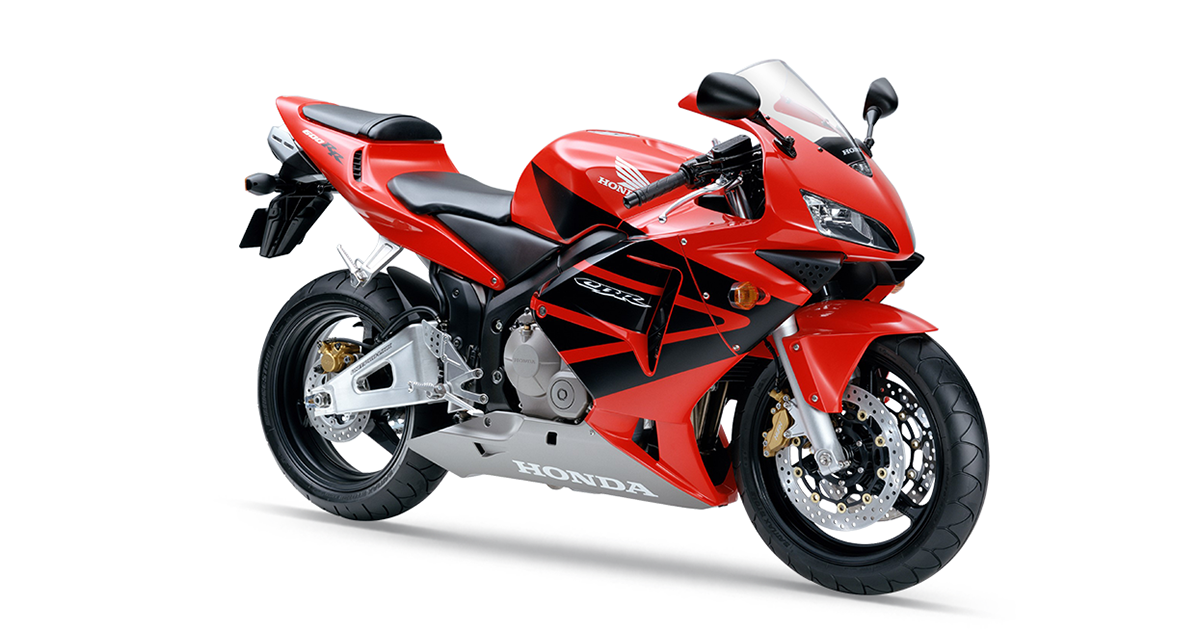
At first glance, the 2003 CBR600RR presents a silhouette that is as much about aerodynamics as it is artistry. Every curve and contour appears meticulously crafted, a testament to Honda’s commitment to melding function with form. The bike’s bodywork is sleek and purposeful, designed not just to cut through the air but to communicate a sense of urgency and focus. It wears its Honda heritage boldly, but with an understated elegance—the aesthetic equivalent of a whispered challenge on the race track.
Underneath this sculpted exterior lies a heart of unmatched vitality. The 599cc, liquid-cooled, inline-four engine is the engine of choice for riders seeking a thrilling balance between power and control. More than just numbers and displacement, the engine hums with a character that is both aggressive and composed, delivering horsepower in a crescendo that is deeply satisfying. Its VTEC system, pioneering for its time, provides a smooth but potent surge at higher RPMs, ensuring the bike is responsive whether navigating tight corners or sprinting down straights. This dual personality—a tame commuter by day, a track predator by desire—adds to its enduring appeal.
Handling is where the 2003 CBR600RR truly shines, a testament to the symbiotic relationship between rider and machine. The aluminum twin-spar frame, lightweight yet exceptionally rigid, forms the backbone of this dynamic marvel. It allows for precision that feels almost telepathic; the bike leans, turns, and accelerates with an instinctive grace that rewards the rider with confidence and control. Suspension components, including adjustable forks and a robust rear shock, provide a supple ride without sacrificing responsiveness, making the bike versatile enough for spirited street riding and demanding track sessions alike.
One cannot discuss the enduring love for the CBR600RR without highlighting its ergonomics. The riding position strikes an ideal balance between sport aggressive and rider comfort, embodying a philosophy that embraces the rider as an extension of the bike. The seat height is considerate of a wide range of riders, while the handlebars and footpegs offer a precise cockpit that facilitates both agility and endurance. This thoughtful design ensures that the rider remains connected, aware, and engaged, from the first twist of the throttle to the final brake into a corner.
Technologically, the 2003 iteration was a harbinger of innovations that have since become standard-bearing benchmarks. The incorporation of VTEC—Variable Valve Timing and Lift Electronic Control—is a crucial chapter in Honda’s narrative of performance evolution. This system managed valve operation dynamically, enhancing efficiency without compromising the high-revving spirit that sport riders crave. It was a marvel of mechanical ingenuity, granting the motorcycle a broad yet accessible powerband that could adapt seamlessly to various riding conditions.
Yet, what truly sets the 2003 CBR600RR apart from competitors, both past and present, is its intangible spirit—a certain joie de vivre that imbues every ride with a sense of possibility. It is a bike that does not simply transport the rider but transforms the mundane into the extraordinary. There is a symbiotic rhythm that develops between the machine and its rider, a dance of precision and passion that lures enthusiasts back year after year. This transcendent connection is why enthusiasts still revere the CBR600RR as a benchmark in its class.
Beyond the tangible specifications and technological feats, the CBR600RR holds a mythic status within riding communities. It represents the zenith of early 2000s Japanese engineering philosophy, when manufacturers dared to innovate boldly while maintaining reliability and user-friendliness. The motorcycle is a perfect example of “form follows function” elevated to an art form—its every element distilled to support an immersive riding experience without superfluity. It epitomizes the ethos of purity and precision.
Maintenance, often an overlooked dimension in a motorcycle’s legacy, also speaks volumes about the 2003 CBR600RR’s enduring fascination. Known for its durability and the accessibility of parts, it has become a favored canvas for both novice and experienced tuners. Its design invites customization and enhancement, yet without betraying the harmonious character that makes it beloved. This harmonization of performance, reliability, and adaptability ensures its place in garages around the world, ridden and cherished rather than relegated to the history books.
In the ever-evolving world of sport motorcycles, trends come and go, technologies shift, and aesthetics transform. Yet the 2003 Honda CBR600RR remains a constant—an elegant beacon of what motorcycle engineering and design can achieve when both are pursued with equal passion and rigor. It is a machine that has outlasted its contemporaries and whose legend continues to burn brightly within the hearts of riders who seek more than just transportation but a profound connection to the road beneath them.
To ride the 2003 CBR600RR is to grasp that lightning in a bottle; it is to engage with a tactile metaphor for freedom, speed, and control. Its legacy is written not only in specification sheets but in the exhilarated grins of those who’ve felt its pulse. This motorcycle is more than a mode of travel—it’s a statement, a timeless invitation to explore the limits of both man and machine together, a motorcycle whose allure transcends generations and definitions.