What truly defines a supersport motorcycle? Is it the sheer raw power, the razor-sharp handling, or perhaps the intoxicating blend of both wrapped in a sleek, aerodynamic package? The 2005 Yamaha R6 boldly answers these questions with a compelling mix of advanced engineering, aggressive styling, and precision performance that has made it a paragon in the supersport category. Renowned for its agility on both racetracks and winding backroads, the R6 from this era embodies a fascinating juxtaposition of cutting-edge technology and rider-focused design, posing a perennial challenge for anyone seeking to tame its extraordinary capabilities.
The heart of the 2005 Yamaha R6 lies in its powerhouse—a 599cc liquid-cooled, four-stroke, DOHC inline four-cylinder engine designed to rev high and produce an exhilarating rush of horsepower. This engine employs Yamaha’s proprietary crossplane crankshaft technology, which not only delivers a linear torque curve but also offers an unparalleled sense of control. With a bore and stroke of 67.0 mm x 42.5 mm, the R6’s engine aggressively pushes the boundaries of supersport powerplants, achieving a peak output of approximately 120 horsepower at a blistering 14,500 rpm. This high-revving nature rewards riders with an adrenaline-infused acceleration that transcends the ordinary, enabling rapid progress through the rev range with precision and without hesitation.
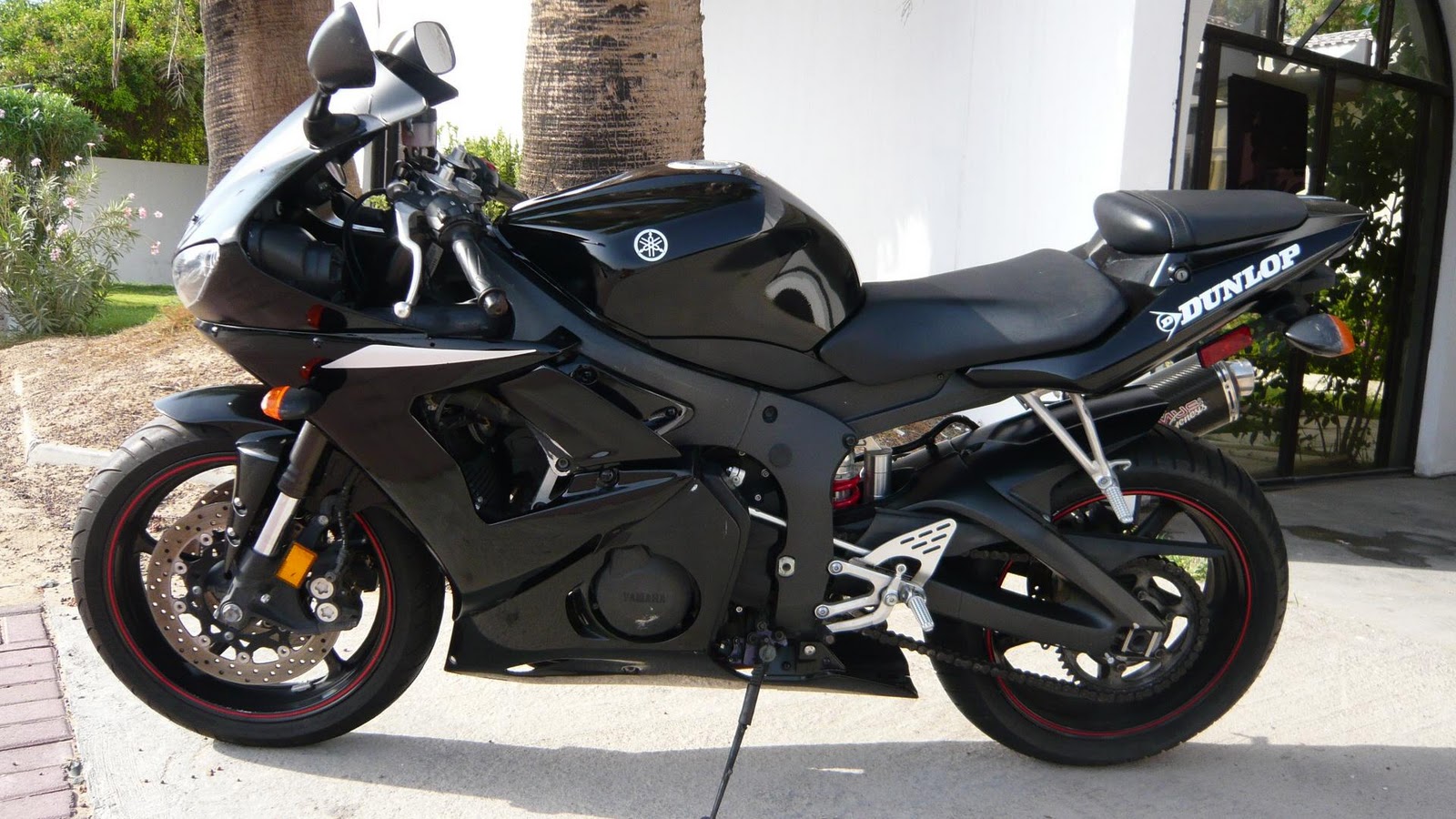
But horsepower is only a fragment of the story. The 2005 R6’s frame is a marvel of engineering finesse, constructed from lightweight aluminum alloy using a Deltabox design that integrates rigidity and minimal mass. This framework is instrumental in generating the bike’s celebrated nimbleness, ensuring responsive steering and agile cornering without compromising stability. The wheelbase measures a compact 54.1 inches, striking a fine balance between maneuverability and high-speed composure, while the dry weight lingers around 162 kilograms (357 pounds), rendering the motorcycle featherlight yet bristling with quality components.

Suspension also plays a pivotal role in the R6’s revered status. Upfront, it boasts fully adjustable inverted telescopic forks—known as USD forks—which provide superior damping and rebound characteristics, crucial for racing-grade performance. This setup enables riders to tailor suspension feedback to their preferences or track conditions, enhancing feedback and increasing confidence during aggressive riding. The rear incorporates a meticulously engineered monocross swingarm with a fully adjustable shock absorber, working harmoniously to absorb surface irregularities while maintaining tire contact and traction. This complex suspension synergy translates to a ride that is both composed and lively—a hard balance to strike effectively.
One cannot overlook the braking system, a critical facet of the 2005 R6’s performance arsenal. Dual 298 mm hydraulic disc brakes equipped with four-piston calipers dominate the front wheel, delivering robust stopping power and modulation that is vital when decelerating rapidly into tight corners. Supplemented by a single rear disc brake, this system instills confidence, allowing riders to exploit the bike’s speed with the assurance that braking performance will not falter when it matters most.
The 2005 Yamaha R6’s chassis geometry further enhances its supersport demeanor. With a rake angle of 24.5 degrees and a trail of 90 mm, it benefits from a stable yet quick-turning demeanor. The seat height of approximately 33.5 inches, combined with a narrow profile, invites riders into a crouched, aerodynamic posture that reduces drag and optimizes control at high velocity. These dimensions cater not only to seasoned racers but also to enthusiasts who appreciate a finely tuned machine that responds faithfully to subtle rider inputs.
Another subtle yet noteworthy feature lies in the R6’s aerodynamic bodywork. Designed with wind-tunnel precision, the fairings serve dual purposes: minimizing air resistance and cooling critical engine components by channeling airflow effectively. The sharp, aggressive lines are not mere aesthetics but calculated enhancements that contribute to overall performance. The bike’s distinctive twin headlamp assembly lends a predatory visage—one that not only cuts through the darkness on night rides but also embodies the R6’s relentless sporting ethos.
Ergonomically, the 2005 R6 challenges conventional comfort by embracing a race-oriented posture. The footpegs are positioned rearward and slightly elevated, encouraging a tucked stance that improves aerodynamics but demands physical resilience from the rider. The narrow fuel tank facilitates knee grip and weight shifting, essential for precision cornering. While this setup might initially test the endurance of casual riders during extended rides, those seeking spirited, track-focused thrills will find a harmonious connection between machine and body, translating into enhanced feedback and control.
Is the 2005 Yamaha R6 without flaw? Undeniably, its aggressive nature presents a challenge to novice riders who may find its sharp throttle response and demanding ergonomics unforgiving. Moreover, its high-maintenance requirements, including frequent valve clearance checks and premium fuel reliance, underscore the bike’s commitment to uncompromising performance rather than everyday convenience. Yet, these challenges further underscore the R6’s identity as a true supersport icon—one crafted not merely for transportation but for an exhilarating riding experience where both man and machine are pushed to the limits.
In the arena of mid-2000s supersport motorcycles, the 2005 Yamaha R6 stands out not just as a machine, but as a manifesto of performance ambition. It melds blistering engine dynamics, razor-sharp handling, and immersive ergonomics into a crafted whole that rewards dedication and skill. Its specifications read like a checklist for racing enthusiasts and purists demanding a symphony of technology, precision, and raw excitement. Owning or even piloting this motorcycle is an invitation to engage with motorcycling at its purest, most visceral level.
Ultimately, the 2005 Yamaha R6 represents more than just numbers and specs—it is a testament to Yamaha’s relentless pursuit of perfection in the supersport segment. Exploring its technical intricacies reveals a tapestry of innovation and design philosophy that continues to influence contemporary sportbikes. For those willing to rise to its challenges, the R6 offers an unforgettable communion of speed, agility, and adrenaline—a true icon whose legacy endures in the annals of motorcycling history.