When faced with the choice between the 2006 Kawasaki Ninja 650R and the 500, one might wonder: which motorcycle truly deserves a spot in your garage? Both models come adorned with Kawasaki’s signature blend of sportiness and practicality, yet they beckon to different types of riders with distinct needs and preferences. This easy-to-miss conundrum poses a playful question: is it better to opt for the nimble agility of the 500 or the robust performance of the 650R? The answer often lies not merely in specs, but in the nuanced experience each bike offers on the road.
Begin with the heart of these machines: their engines. The 2006 Ninja 650R boasts a 649cc parallel-twin engine, meticulously engineered to strike an optimal balance between power and control. It delivers a smooth, linear powerband that entices both seasoned riders and those keen on a spirited ride through winding roads. Its 50 horsepower may not break records, but it ensures robust acceleration and confident highway cruising. In contrast, the 500 model, featuring a 498cc parallel twin, prioritizes efficiency and user-friendliness. With an output hovering around 47 horsepower, it’s slightly less potent but compensates with lighter overall weight and superior fuel economy, making it an endurance champion in urban sprawl or long-distance journeys.
Performance, however, isn’t solely dictated by horsepower figures. The 650R’s chassis and suspension are calibrated to deliver a blend of agility and comfort. Its steel tubular frame brings stability and robustness, while the adjustable suspension components allow riders to fine-tune handling characteristics in accordance with their riding style. This adaptability becomes a significant asset when traversing varied terrains at diverse speeds. Conversely, the 500 prioritizes simplicity and ease of use, with a reputation for predictable handling and a forgiving suspension setup. Its lighter curb weight translates to nimbleness in traffic and maneuverability for new riders, an advantage that particularly appeals to novices or those who favor everyday commuting.
Ergonomically, the two Ninja models diverge in their cockpit experiences. The 650R exhibits a slightly more aggressive riding posture with higher footpegs and a sportier seat position. This configuration nurtures a connection with the machine, inviting riders to lean into corners and engage dynamically with the road. On the other hand, the 500 leans more toward a relaxed and upright posture. It fosters comfort during longer rides, reducing rider fatigue and making it a versatile option for those who desire casual weekend escapes or daily trips without the strain of a more aggressive setup.
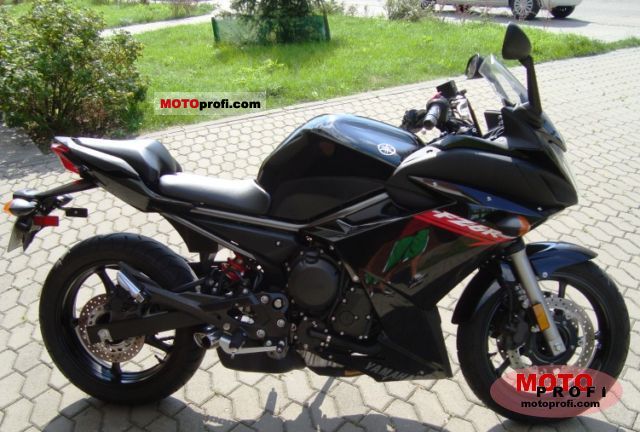
Within the domain of aesthetics and design, the 2006 Ninja 650R flaunts a more contemporary and polished visage. Its aerodynamic fairings and bold stripes convey an assertive presence, signaling the bike’s capability and sporty lineage. The 500, while sharing some stylistic DNA, tends to display a simpler, more understated exterior. This difference, though subtle, influences how each bike communicates its identity and appeals to varying rider philosophies: one drawn toward assertive sportbike flair, the other gravitating toward reliable, no-nonsense functionality.
A thoughtful rider also weighs the practicality of ownership. Maintenance schedules for both the 650R and 500 are similar, stemming from shared engineering roots. Yet, the 500, with its less complex components and lower displacement, often boasts marginally lower upkeep costs and insurance premiums. This fiscal consideration might tip the scales in its favor for budget-conscious buyers or those new to motorcycling who wish to minimize expenses without sacrificing quality and performance.
Fuel economy offers another comparative lens. The 500 shines with an impressive mileage figure, regularly exceeding 50 miles per gallon in mixed riding conditions. This efficiency translates to fewer fuel stops and an enhanced sense of convenience, especially for daily commuters or those traversing longer distances on a consistent basis. Meanwhile, the 650R manages respectable fuel economy for its power level, typically around 40-45 miles per gallon. While slightly thirstier, it rewards riders with more spirited acceleration and the fluidity necessary for highway overtaking and spirited backroad cruising.
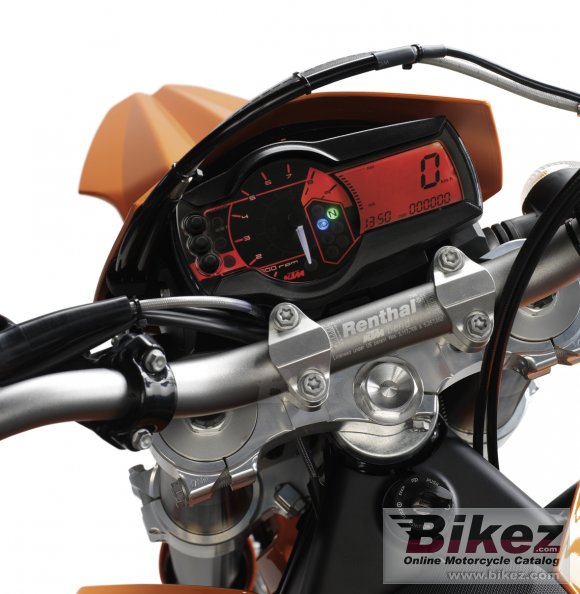
Technology and instrumentation also deserve mention. The 650R’s dashboard delivers clear, concise information including a tachometer, speedometer, and fuel gauge, all laid out in a user-friendly manner. It integrates features that aid riders in monitoring engine performance and maintaining optimal shifting points. Meanwhile, the 500’s instrument panel, though less elaborately designed, still offers essential riding data, functioning as a straightforward interface that emphasizes clarity and ease.
Consider the target audience each bike addresses. The 2006 Ninja 650R seems tailored to intermediate riders seeking a bridge between beginner-friendly bikes and high-performance sport machines. It offers a platform to hone skills while providing enough power to satisfy more adventurous inclinations. Conversely, the 500 emerges as a steadfast choice for novices, daily commuters, or riders prioritizing reliability and low operating costs over raw power. Its approachable nature encourages confidence building without overwhelming new riders with excessive performance or aggressive ergonomics.
Despite their differences, both motorcycles carry Kawasaki’s hallmark reliability and build quality. This heritage ensures that owners can expect long-lasting performance and a strong community support network. Equally important, both models benefit from a robust aftermarket ecosystem, facilitating customization and enhancements that allow riders to personalize their machines according to preferences ranging from comfort upgrades to performance tuning.
Faced with this choice, the question returns: which one should you buy? If your riding endeavors are marked by an appetite for spirited rides, occasional highway travel, and a taste for progressive power delivery, the 2006 Kawasaki Ninja 650R asserts itself as a compelling contender. Its combination of performance, handling, and style make it a versatile companion for those craving a blend of practicality and excitement. On the other hand, if your priorities align with affordability, ease of handling, and fuel efficiency — perhaps reflecting a lifestyle framed by urban commutes or measured weekend adventures — the 500’s accessible nature makes it a prudent and satisfying choice.
Ultimately, the decision hinges on your personal riding aspirations, experience level, and how the motorcycle’s character resonates with your expectations. Both models carve out their own niche within the sportbike spectrum, presenting an inviting duel where the victor is the one most attuned to your individual journey on two wheels.