The 2008 KLR650 has long been revered as an indomitable presence within the realm of dual sport motorcycles. Its enduring reputation as a reliable, no-nonsense machine transcends mere mechanics, encapsulating a philosophy of rugged versatility few bikes attempt to embody. Enthusiasts and casual riders alike often note a peculiar fascination with this model, one that extends beyond surface-level admiration for its durability or specifications. This phenomenon beckons a closer inspection—not only of what the KLR650 represents in terms of engineering but also why it resonates so profoundly among a diverse motorcycling community.
At first glance, the 2008 KLR650 sketches an archetype of utilitarian purpose. Its minimalist design prioritizes function over flamboyance, presenting a bold silhouette that signals ruggedness—one that seems tailor-made for the wandering spirit. Powered by a robust 651cc single-cylinder, four-stroke engine, it strikes a delicate balance between sufficient power delivery and steadfast reliability. The choice of a single-cylinder configuration bolsters ease of maintenance and torque-focused output, essential for the unpredictability inherent in off-road or dual sport riding.
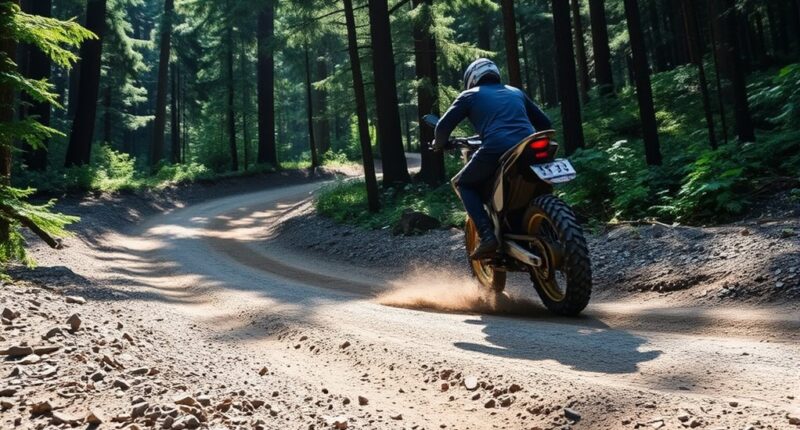
What makes the KLR650 particularly captivating is its holistic approach to dual sport performance. It refuses to be pigeonholed as simply an off-road bike or a street commuter. Instead, it navigates the liminal space that lies between these categories, flourishing equally on cracked pavement and rugged backcountry trails. The suspension is thoughtfully engineered, with long travel front forks and a rear monoshock that imbue the bike with the subtle compliance necessary for absorbing uneven terrain without sacrificing everyday usability.
This amalgamation of characteristics contributes to the common observation that the KLR650 is nearly indestructible. Reports of decades-old models thundering across continents attest to its mechanical resilience. There is, however, a deeper substratum to this claim. The KLR650 embodies a commitment to simplicity and adaptability. By shunning overly complex electronics and embracing a straightforward mechanical design, the motorcycle offers a canvas that welcomes customization and repairs in the most austere environments. This accessibility fosters a sense of empowerment rarely encountered with modern machines burdened by excessive technological intricacies.
Riding the 2008 KLR650 is an experience defined by an intimate connection with the terrain. The lightly sprung chassis and manageable weight allow for nimble maneuvering, while the rev-happy engine thrives in scenarios demanding steady and tractable power. It is neither a high-strung racer nor a lumbering cruiser. Instead, it inhabits a quiet confidence born from knowing exactly what it must accomplish—transportation across varied landscapes with minimal fuss or failure.
Another noteworthy aspect is the KLR650’s ergonomic design, which caters to long-distance comfort without the frills. The seat, though modestly padded, offers a commendable balance of support and feedback, encouraging long hours in the saddle. Its upright riding posture aligns perfectly with the cognitive demands of off-road riding, enabling enhanced visibility and control. The fuel tank’s substantial capacity further extends the range, minimizing interruptions and imbuing a sense of freedom crucial to adventurous souls.
Over the years, the KLR650 has cultivated a near-legendary status, partly because it fills a niche often neglected by other manufacturers. It appeals to riders with a penchant for exploration who value substance over spectacle. The bike’s uncomplicated nature coaxed a community dedicated to modifying, maintaining, and pushing it into realms often considered daunting or inaccessible. This culture underscores a profound psychological attachment, rooted in the satisfaction derived from mastering a machine that mirrors the unpredictable nature of the great outdoors.
Yet, the 2008 model is not without its criticisms. Some find its tech rudimentary compared to contemporary dual sport offerings. Its weight, while justified through rugged construction, can feel cumbersome in extremely technical off-road scenarios. The relatively modest horsepower output may deter riders yearning for rapid acceleration or high-speed highway performance. Nonetheless, these perceived shortcomings are entwined with the same virtues that endear the KLR650 to its community. The bike’s straightforwardness and reliability often outweigh the allure of cutting-edge innovation.
Delving into the psychology of the KLR650’s devotees reveals an undercurrent of yearning—a desire for transcendence through tactile engagement. The motorcycle operates as more than a mode of transportation; it is a vessel for exploration, self-reliance, and connection to nature’s raw elements. Its resilience becomes a metaphor for endurance against adversity, making every successful journey a testament to human will and mechanical fortitude.
In conclusion, the 2008 KLR650 stands as a paragon of dual sport motorcycles whose appeal transcends the mechanical and ventures into the philosophical. Its robust construction, mechanical simplicity, and versatile performance compose a symphony of reliability and adventure-readiness unmatched by many contemporaries. The fascination it inspires is rooted deeply in its embodiment of independence and endurance, qualities that resonate profoundly in a world often glossed over by technological excess. For those who seek a companion that is steadfast against both asphalt and dirt, the KLR650 remains an indelible icon—ready to defy the elements and carry its rider into the unknown.